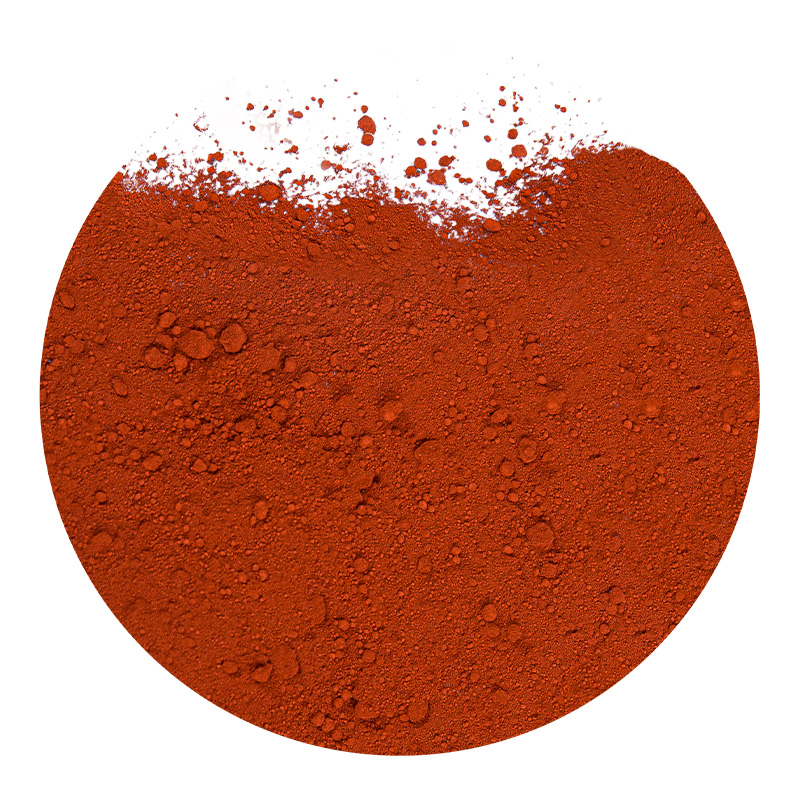
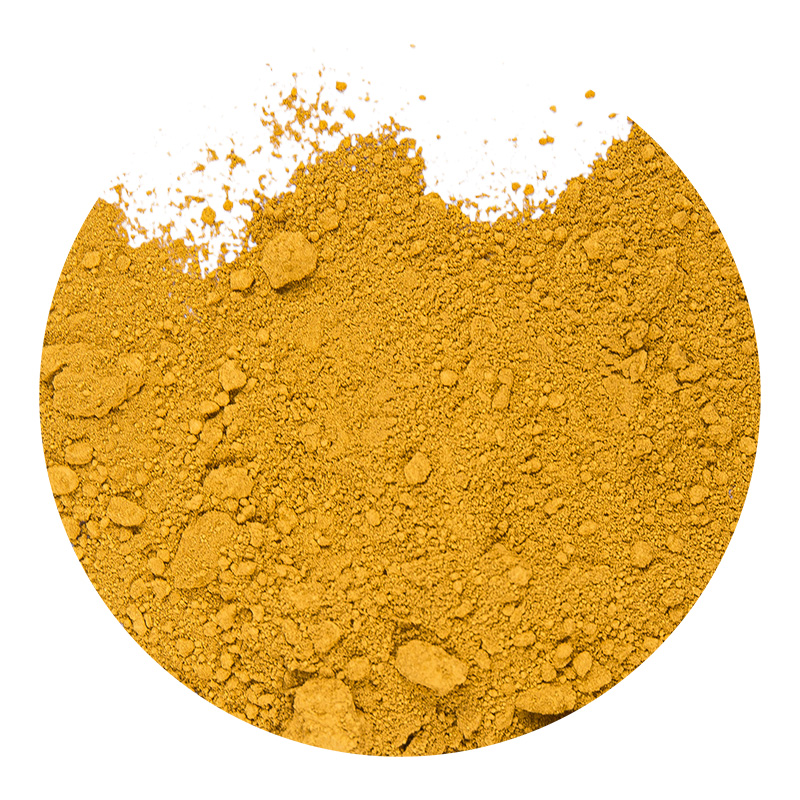
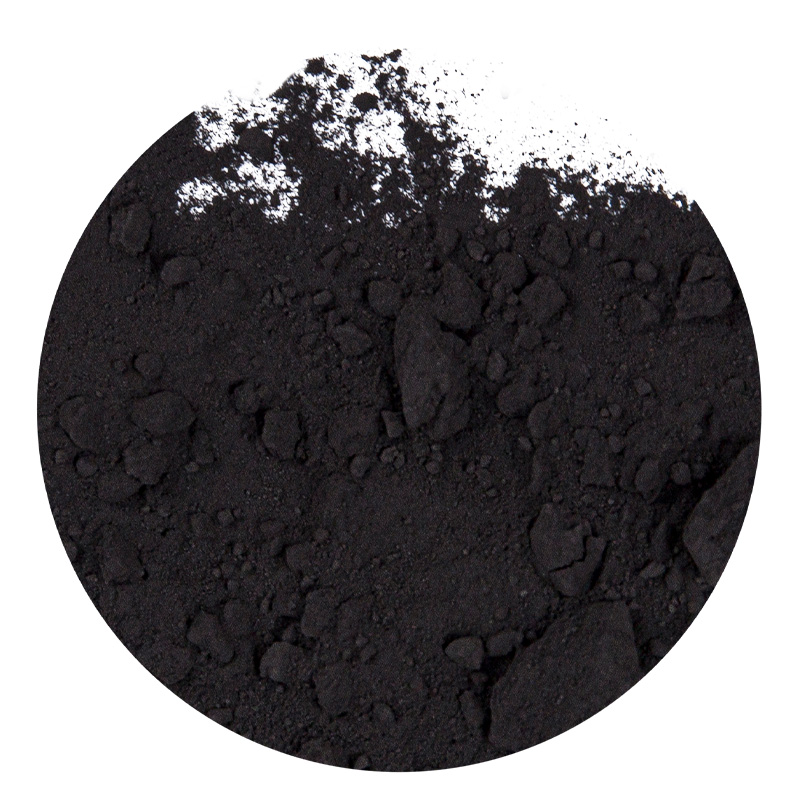
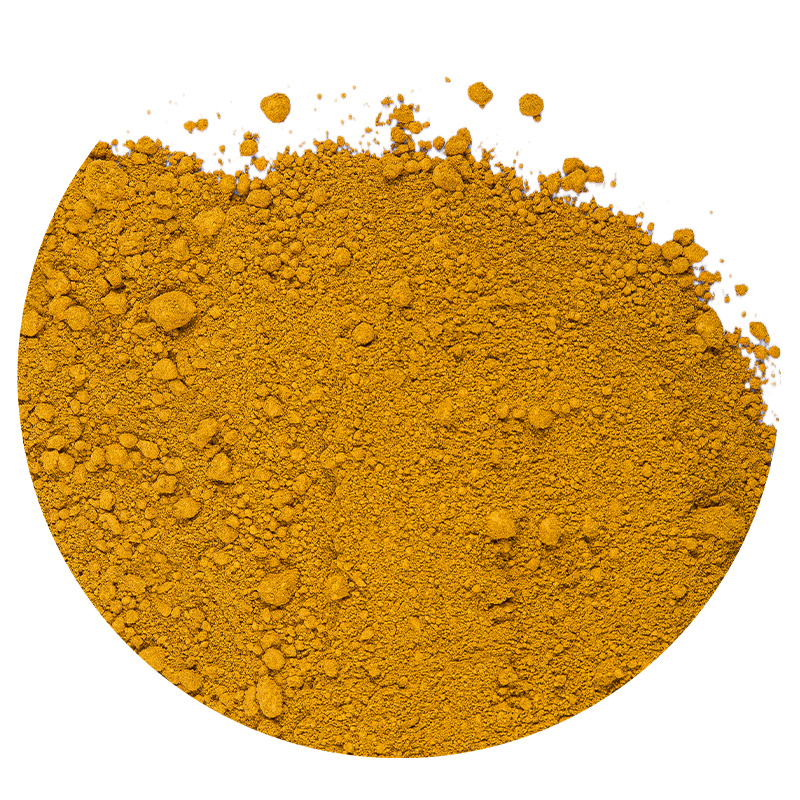
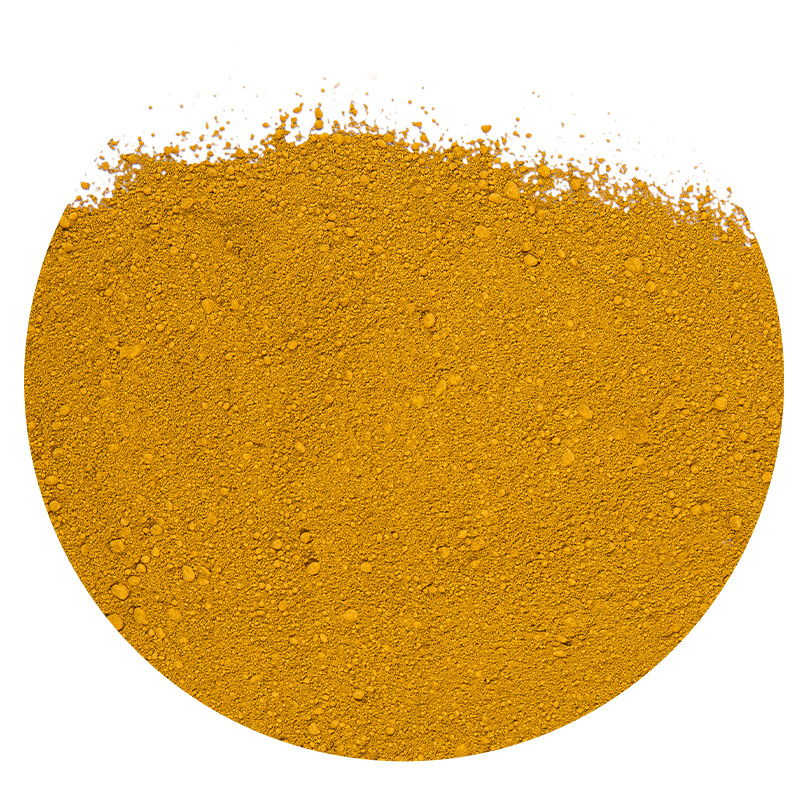
Iron Oxide Yellow Pigments from a Dedicated Manufacturer
Deqing Demi Pigment Technology Co., Ltd. is a professional Iron Oxide Yellow manufacturer and supplier, producing high-performance inorganic pigments for global construction, coating, plastic, and rubber applications. Our range includes standard, micronized, and low heavy metal content series, ensuring you find the right grade for your process.
We control the entire production chain—from raw material selection to final packaging—to deliver consistent shade, tinting strength, and dispersion. Whether you need Pigment Yellow 42 for architectural coatings or a heat-stable grade for masterbatch, our technical team supports your project from sample to full-scale supply.
Our Iron Oxide Yellow Range
We offer several iron oxide yellow grades, each engineered for specific performance requirements. The table below summarizes our main types and their typical applications.
| Grade |
Fe2O3 Content |
Key Features |
Typical Applications |
| 313 (Standard) |
≥86% |
High tinting strength, heat stable up to 240°C |
Masterbatch, plastics, architectural coatings |
| 920 (High Performance) |
≥85% |
Excellent weather resistance, low oil absorption |
Exterior paints, cement products, rubber |
| E172 (Food Contact) |
≥86% |
Low heavy metals, meets EU and FDA purity |
Food packaging, cosmetics, specialty uses |
We also supply micronized versions of these grades for faster dispersion in high-shear processes, and low heavy metal series for markets with strict regulatory limits.
Application Fit and Material Considerations
Iron oxide yellow (FeOOH) is a versatile pigment, but its performance depends on the application environment. Our technical team helps you select the right grade based on your substrate and processing conditions.
- Building Materials: For concrete, mortar, and permeable bricks, we recommend grades with low water-soluble salts and high alkali resistance to prevent efflorescence and shade drift.
- Coatings: In water-based or solvent-based paints, our micronized 313 grade offers high tinting strength and low oil absorption, improving flow and leveling.
- Plastics and Rubber: Heat stability is critical. Our 313 grade is engineered to withstand up to 240°C, making it suitable for masterbatch production without color shift.
- Other Fields: For inks, ceramics, and paper, we provide grades with controlled particle size for consistent dispersion.
Critical Specifications and Quality Control
We test every batch for key parameters to ensure predictable performance. Our quality control includes:
- Chemical purity: Fe2O3 content, water-soluble salts, and heavy metal limits (Pb, As, Cd, Hg) per grade.
- Physical properties: Oil absorption, moisture content, pH, and residue on 325 mesh sieve.
- Color performance: Tinting strength compared to standard (95-105%) and shade consistency measured by ΔE.
- Stability: Heat resistance for plastics, weather resistance for exterior coatings, and alkali resistance for concrete.
Our manufacturing process includes calcination and surface treatment to stabilize the acicular particle structure, ensuring batch-to-batch consistency. We provide a Certificate of Analysis (COA) with each shipment.
Configuration and Customization
We understand that one grade does not fit all. We offer customization in several areas:
- Particle size: Micronized grades for faster dispersion or standard grades for cost efficiency.
- Surface treatment: Organic or inorganic coatings to improve compatibility with specific resin systems.
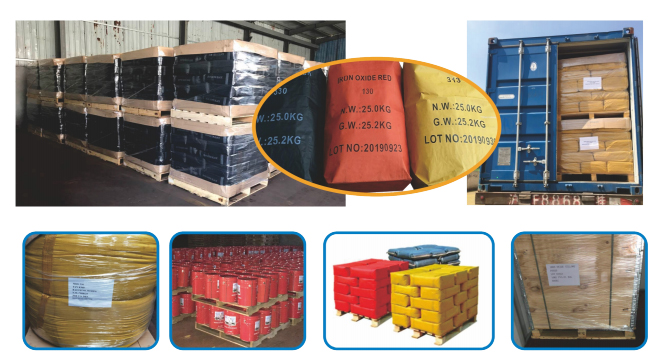
- Packaging: 25kg paper bags, water-soluble bags, low-melting PE bags, or 500-1250kg jumbo bags.
Tell us your application and processing equipment, and we will recommend the optimal configuration.
Automation Integration and Installation Support
Our pigments are designed for easy integration into automated dosing and mixing systems. We provide technical data sheets with bulk density and flow characteristics to help you calibrate feeders. For large-volume orders, we offer guidance on silo storage and pneumatic conveying to maintain powder flow.
Maintenance, Spare Parts, and Serviceability
Iron oxide pigments require minimal maintenance, but proper storage is essential. We advise keeping the powder in sealed, dry conditions below 60% relative humidity to prevent agglomeration. Our customer service team is available for technical troubleshooting and can provide replacement batches if any issue arises.
Documentation and Training
Each shipment includes a COA, Material Safety Data Sheet (MSDS), and technical datasheet. We also offer virtual training sessions for your production team on dispersion techniques and storage best practices.
Information We Use to Configure Your Solution
To prepare an accurate quotation and product recommendation, we need the following details from you:
- Application: Concrete, paint, plastic, rubber, or other.
- Processing conditions: Temperature, mixing method, and equipment type.
- Performance requirements: Tinting strength, heat stability, weather resistance, or regulatory compliance.
- Annual volume: Estimated consumption to plan production and packaging.
- Target shade: Reference sample or color code.
With this information, we can match you with the right grade and provide samples for testing.
Frequently Asked Questions
What is the difference between Iron Oxide Yellow 313 and 920?
313 is a standard grade with high tinting strength and heat stability up to 240°C, ideal for plastics and masterbatch. 920 is a high-performance grade with enhanced weather resistance, suited for exterior coatings and building materials.
Can you provide iron oxide yellow with low heavy metal content?
Yes, we offer a low heavy metal series that meets EU E172 and FDA 21 CFR 73 limits for food-contact applications. Please specify your target market when requesting a quote.
What is the shelf life of your iron oxide yellow?
In sealed, dry storage, our iron oxide yellow remains stable for 5-10 years. However, we recommend using within 2 years for optimal dispersion, as moisture absorption can cause agglomeration over time.
Do you provide samples for testing?
Yes, we provide free samples for qualified projects. Contact us with your application details, and we will send the appropriate grade for your trials.
How do you ensure batch-to-batch color consistency?
We use strict production controls and test each batch for tinting strength and shade against a standard. Our ΔE is typically within 1.0, ensuring minimal variation for large-scale production.


 English
 عربى
عربى русский
 Español