Iron Oxide Black: High-Performance Fe₃O₄ Pigment for Industrial Applications
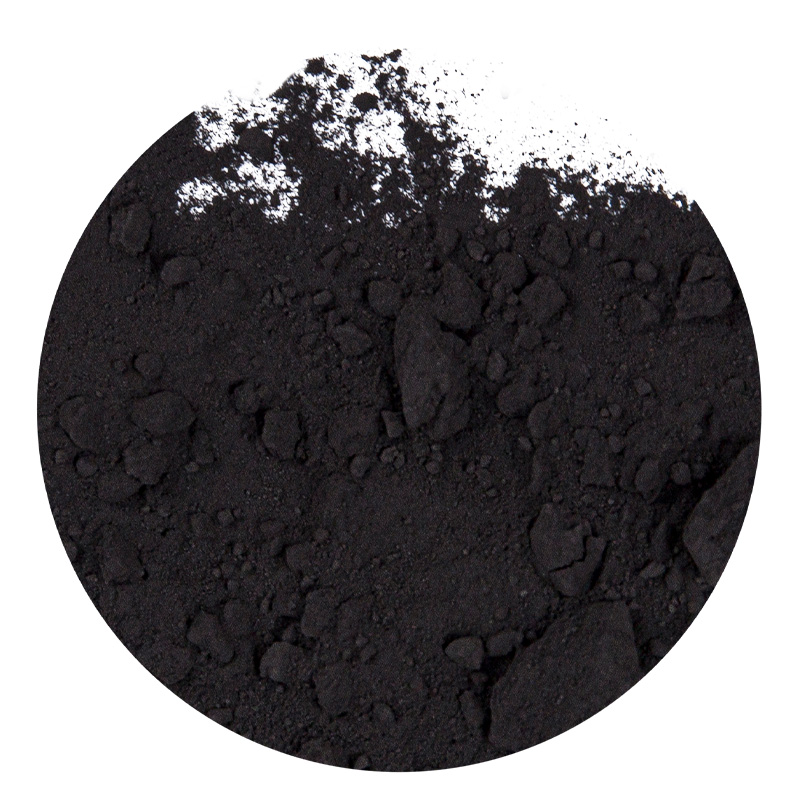
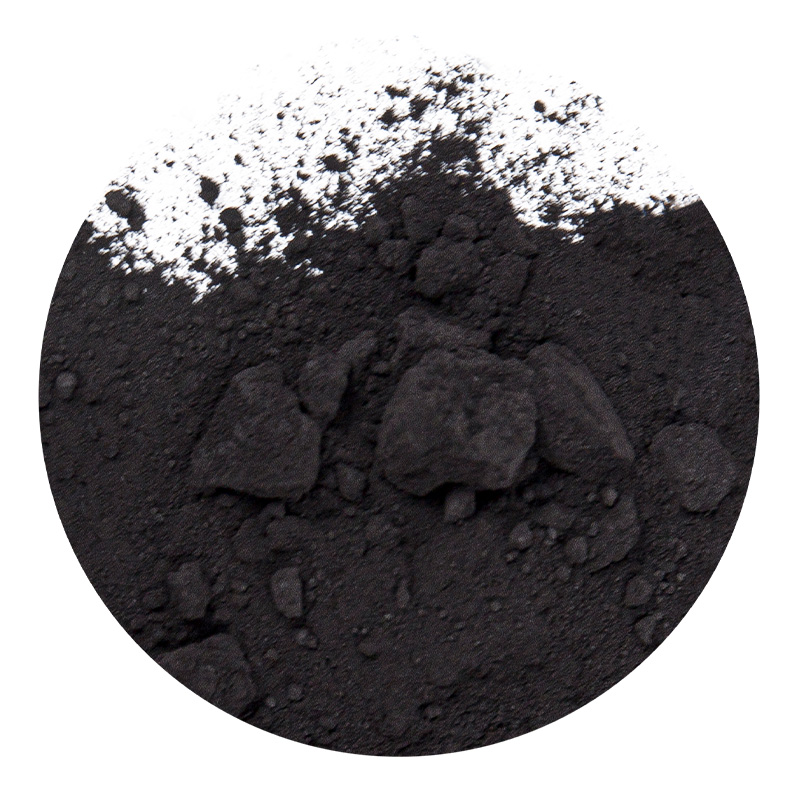
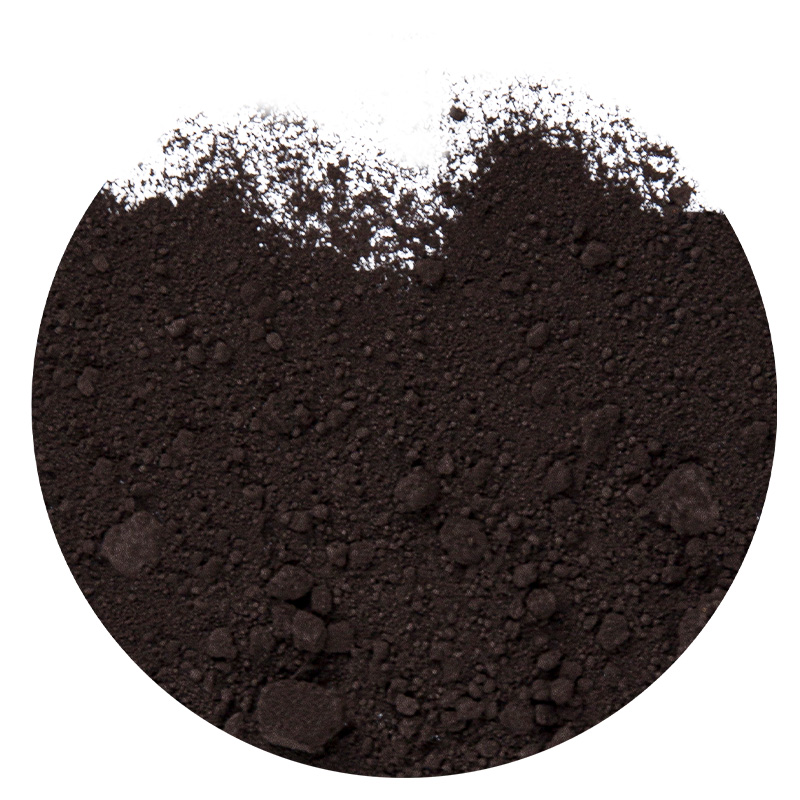
As a specialized Iron Oxide Black manufacturer and supplier, Deqing Demi Pigment Technology Co., Ltd. produces a full range of black iron oxide (Fe₃O₄, CAS 1317-61-9) pigments. Our portfolio includes standard, micronized, and low heavy metal series, covering grades such as 318, 330, 722, and industrial Fe₃O₄ types. These pigments deliver deep jetness, high tinting strength, and reliable weatherfastness for construction, coatings, plastics, food contact, and magnetic applications.
We engineer each grade for specific process demands—from fine-particle grades for high-intensity color to coarser grades for high-loading efficiency. With our own factory and quality control, we support projects from sample qualification to bulk supply.
Product Range and Grade Selection
Our black oxide line is organized by particle size and performance profile. The table below summarizes typical grades and their primary application fit.
| Grade |
Fe₃O₄ Content |
Particle Size (D50) |
Tinting Strength |
Typical Applications |
| 318 |
≥96% |
0.1–0.3 µm |
100–110% |
High-performance coatings, color pastes, cosmetics, magnetic materials |
| 330 |
≥95% |
0.3–0.6 µm |
90–100% |
Concrete, general paints, industrial dispersions |
| 722 |
≥94% |
0.6–1.0 µm |
80–90% |
Asphalt, high-fill plastics, cost-efficient applications |
| Industrial Fe₃O₄ |
≥93% |
Spherical, varied |
95–105% |
Magnetic applications, primers, topcoats |
For food and pharmaceutical use, we supply E172-compliant black iron oxide with heavy metals controlled to As ≤3 ppm, Pb ≤10 ppm, Hg ≤1 ppm. Our low heavy metal series meets strict international safety standards.
Application Fit and Process Considerations
Black iron oxide is selected over carbon black when ease of dispersion, chemical stability, or regulatory compliance is critical. We help you match the right grade to your matrix.
- Construction: For concrete, tiles, and asphalt, use grades with high alkali resistance and low water-soluble salts. Dosage typically 0.5–5% by dry weight.
- Coatings: Fine grades like 318 provide deep color and anti-corrosive properties. Micronized versions improve gloss and dispersion.
- Plastics & Rubber: Coarser grades like 722 offer lower oil absorption and cost efficiency. Thermal stability up to 300°C suits most processing.
- Food & Pharma: E172 grades are produced under GMP conditions with dedicated packaging to meet EFSA and FDA requirements.
- Magnetic Materials: High-purity Fe₃O₄ with controlled particle size is essential for ferrite cores and EMI shielding.
Surface Treatment and Dispersion Optimization
We offer hydrophilic or hydrophobic surface treatments to improve wetting in water-borne or solvent-borne systems. Our micronized series reduces oil absorption to 15–22 g/100g and achieves finer grind (15–25 µm) for high-gloss coatings. Silane or stearic acid coatings are available for demanding formulations.
Quality Assurance and Compliance
Every batch is tested for Fe₃O₄ content, particle size, oil absorption, moisture, and tinting strength. We provide a Certificate of Analysis (CoA) with each shipment. For E172 grades, third-party test reports (SGS, Intertek, BV) can be arranged. Our production follows ISO 1248 and EN 12878 standards where applicable.
Packaging and Logistics
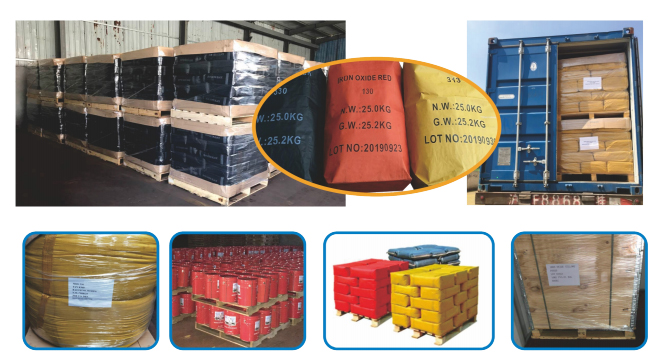
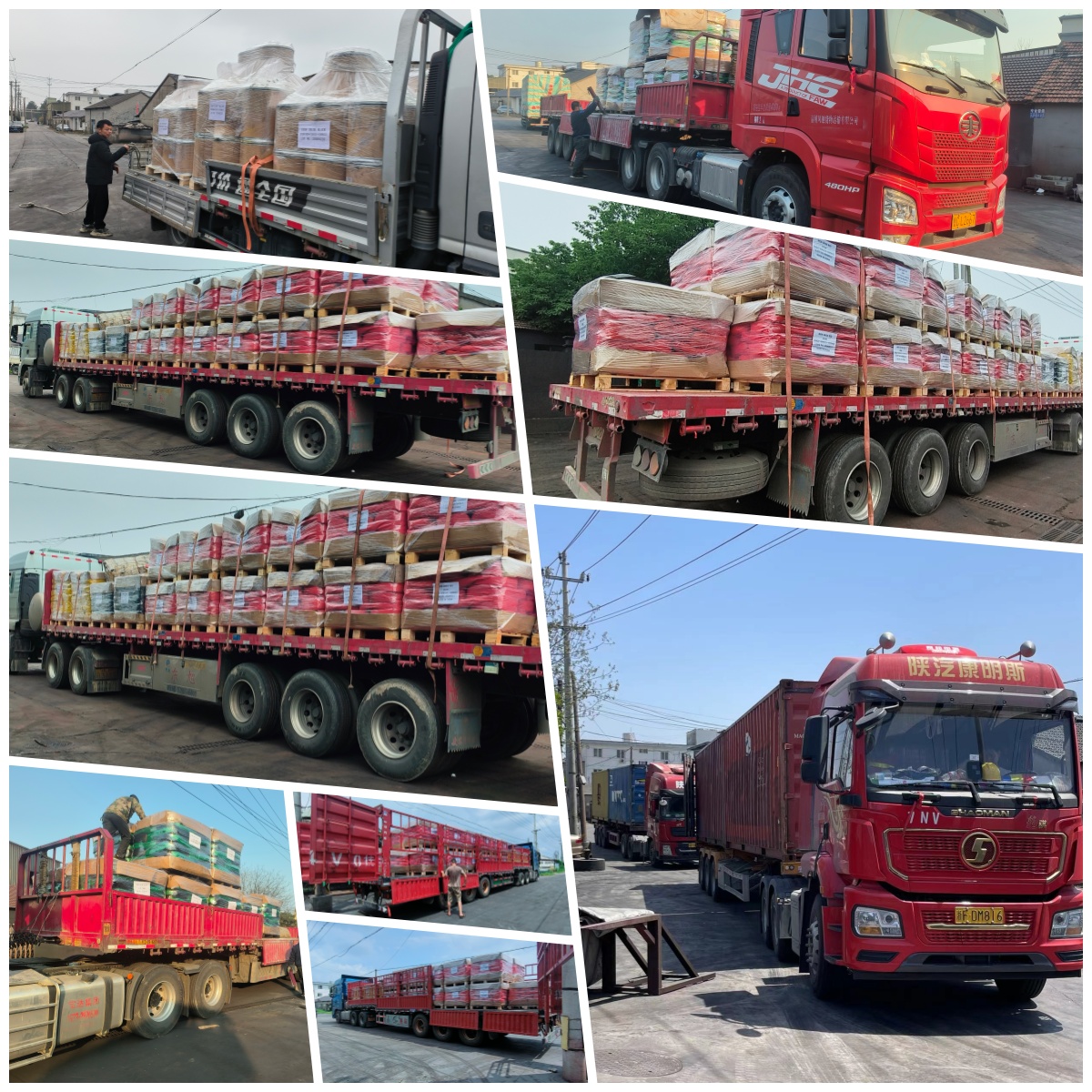
We supply in 25 kg paper bags with PE liner, 500–1250 kg jumbo bags, and sample packs (1 kg, 5 kg). Custom packaging for food-grade batches is available. All shipments include SDS and, if required, Declaration of Conformity.
Information We Use to Configure Your Solution
To prepare a precise quotation and grade recommendation, we need the following project details:
- Application (concrete, coating, plastic, food, magnetic, etc.)
- Resin or binder system and solvent type
- Required tinting strength and color target (e.g., L* value)
- Processing temperature and method
- Regulatory requirements (E172, FDA, etc.)
- Annual volume and packaging preference
With this information, we match the optimal grade, surface treatment, and series (standard, micronized, low heavy metal) to your process.
Frequently Asked Questions
What is the difference between Iron Oxide Black 318 and 330?
318 is a finer particle grade (D50 0.1–0.3 µm) with higher tinting strength (100–110%), ideal for deep black in coatings and cosmetics. 330 has a mid-range particle size (0.3–0.6 µm) and balanced dispersion, making it the most versatile for construction and general paints.
Can you supply E172 food-grade black iron oxide?
Yes. We produce E172-compliant grades with heavy metals controlled to As ≤3 ppm, Pb ≤10 ppm, Hg ≤1 ppm. Batches are manufactured under GMP and come with third-party test reports.
How does black iron oxide compare to carbon black in coatings?
Carbon black offers deeper jetness at very low loadings but is harder to disperse and prone to flocculation. Iron oxide black disperses more easily, provides better stability, and adds mild anticorrosive properties. It is also available in food-compliant grades.
What is the shelf life of iron oxide black powder?
In sealed, dry storage below 40°C, the shelf life is typically 5–10 years. The pigment is chemically stable; moisture and contamination are the main risks. We recommend keeping bags sealed until use.
Do you offer custom packaging for bulk orders?
Yes. We provide 25 kg bags, jumbo bags (500–1250 kg), and custom packaging for food-grade or special requirements. Sample quantities are available for testing.


 English
 عربى
عربى русский
 Español