Iron Oxide Orange: Durable Color for Demanding Applications
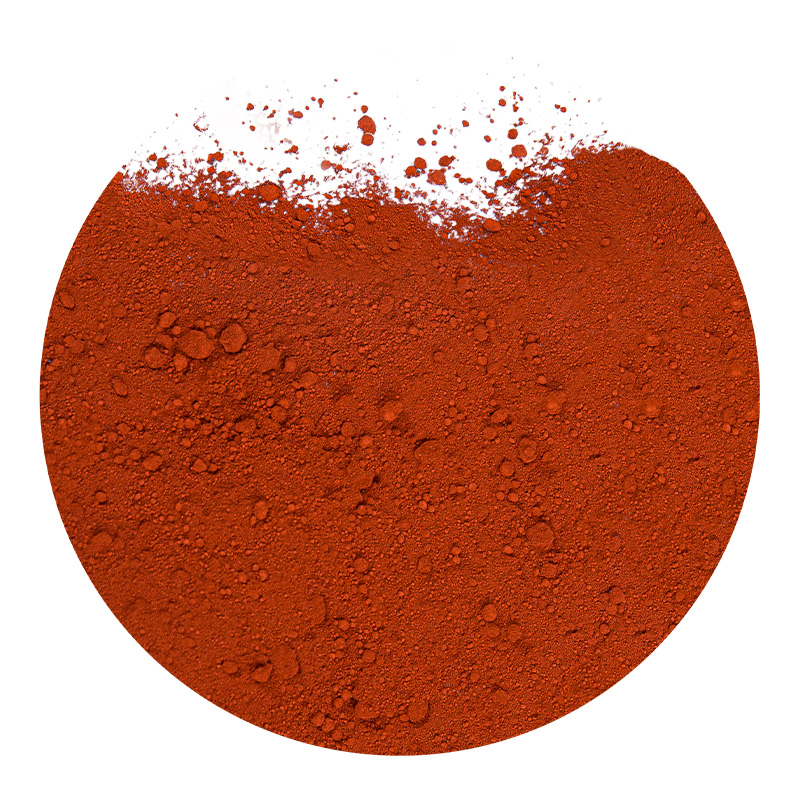
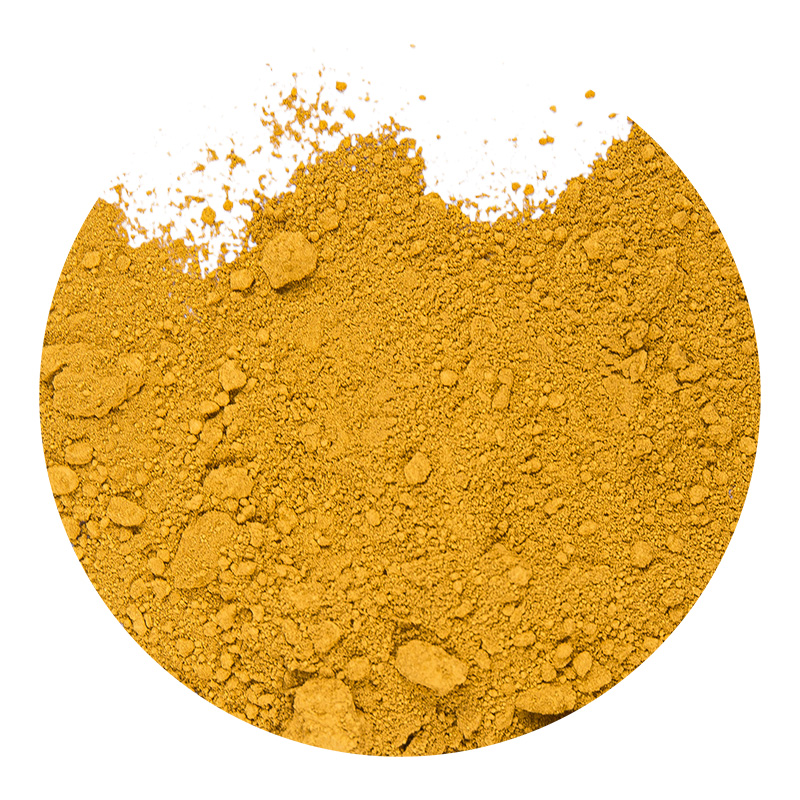
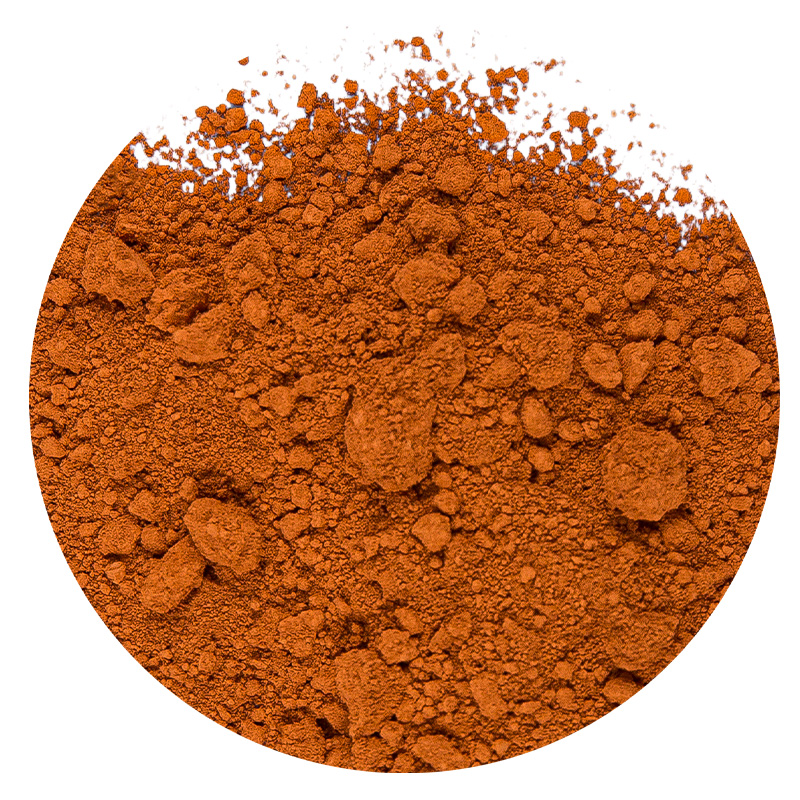
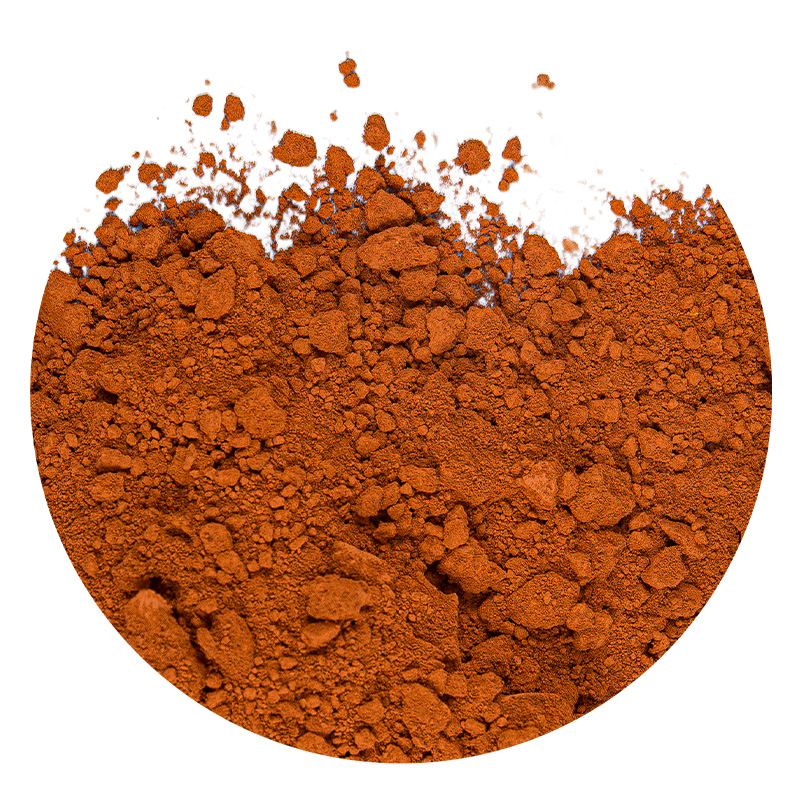
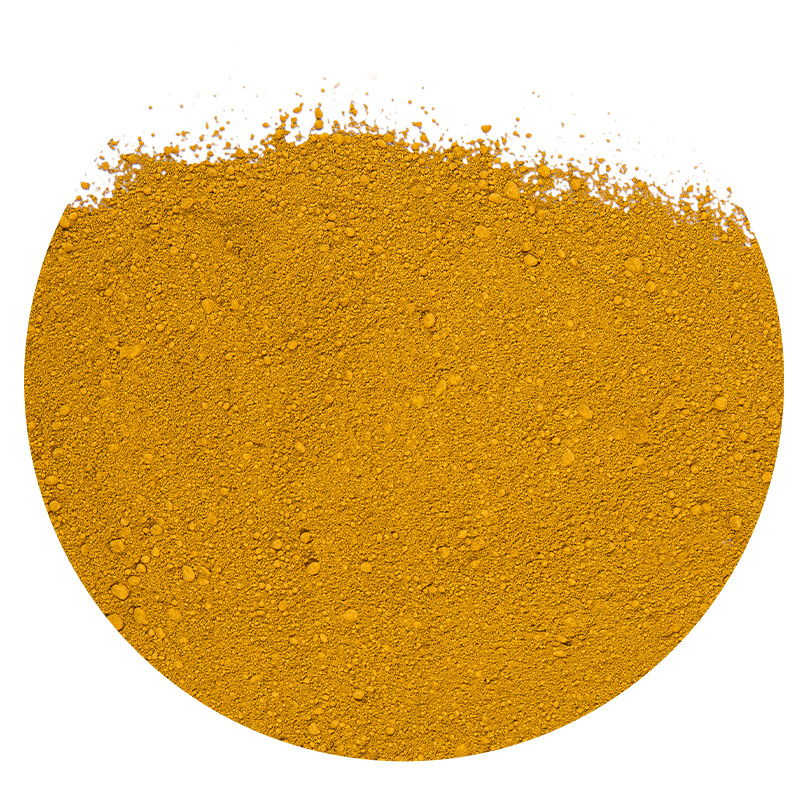
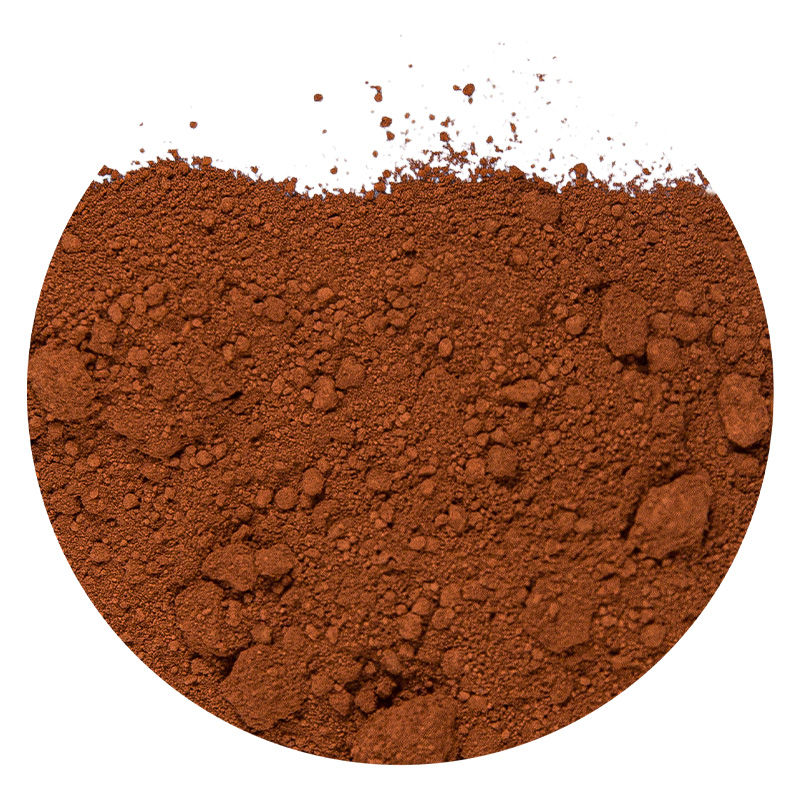
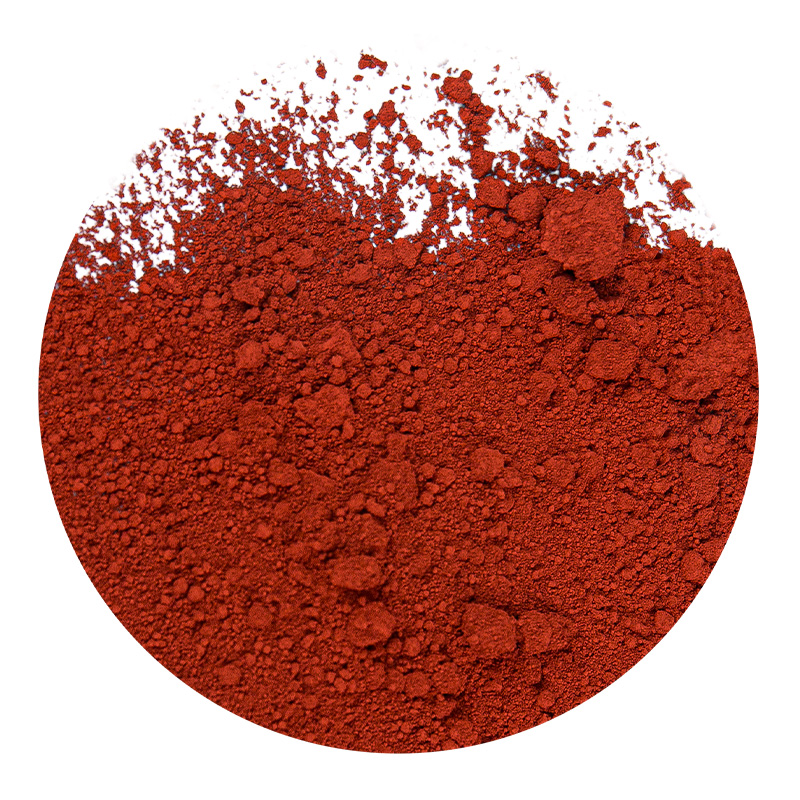
Deqing Demi Pigment Technology Co., Ltd. is a professional Iron Oxide Orange manufacturer and supplier, producing synthetic inorganic pigments based on hydrated iron oxide (FeOOH). Our orange series delivers stable hues from bright yellow-orange to deep red-orange, with the lightfastness, alkali resistance, and thermal stability that organic pigments cannot match in industrial and construction environments.
We offer two primary grades—960 and 2040—both conforming to CI Pigment Orange 78 and available in standard, micronized, and low heavy metal content series. Whether you need pigment for architectural coatings, concrete products, plastics, or powder coatings, our range is engineered for consistent performance and regulatory compliance.
Product Range and Positioning
Our orange iron oxide pigments are produced through controlled precipitation and calcination, ensuring a narrow particle size distribution that maximizes opacity and tinting strength. The table below summarizes the key specifications for our standard grades:
| Grade |
Fe2O3 Content (%) |
Oil Absorption (g/100g) |
Residue on 325 Mesh (%) |
Moisture (%) |
pH Value |
Density (g/cm³) |
| 960 |
≥88 |
20-30 |
≤0.3 |
≤1.0 |
4-7 |
0.7-1.1 |
| 2040 |
≥88 |
20-30 |
≤0.3 |
≤1.0 |
4-7 |
0.7-1.1 |
Both grades exhibit irregular particle shape, with tinting strength within 98-102% of standard, ensuring batch-to-batch color consistency for large-scale projects.
Application Fit Across Industries
Our orange pigments are formulated for a wide range of end uses, each requiring specific performance characteristics:
- Construction and Building Materials: Ideal for coloring concrete blocks, paving bricks, and artificial stone. High alkali resistance prevents hue shift in cementitious systems.
- Industrial and Anticorrosion Coatings: Provides both color and a physical barrier effect in primers for steel structures, bridges, and marine applications.
- Plastics and Rubber: Stable up to 160°C processing temperatures, suitable for PVC, PP, PE, and rubber compounds without migration.
- Powder Coatings: Compatible with thermosetting epoxy/polyester systems, retaining color through curing cycles.
- Inks and Artist Pigments: Non-toxic alternative for water-based inks and professional artist colors.
Critical Specifications and Performance
Our pigments meet international standards with the following verified properties:
- Lightfastness: Grade 7-8 (ISO 105-B02), ensuring color stability under prolonged UV exposure.
- Alkali Resistance: Stable in high-pH cement and concrete systems without chalking or color drift.
- Heat Resistance: Hue retention up to 160°C, with specialized heat-stabilized grades extending to 240-260°C for plastic masterbatch.
- Regulatory Compliance: REACH and RoHS compliant, free from lead, cadmium, and hexavalent chromium.
Configuration Options and Customization
We supply our orange pigments in three series to match your processing and regulatory needs:
Standard Series
Cost-effective for general construction and coating applications where standard particle size is sufficient.
Micronized Series
Ultra-fine particle size (D50 0.2-0.3 µm) for superior dispersion, higher tinting strength, and improved gloss in premium paints and masterbatches.
Low Heavy Metal Series
Meets strict international limits for heavy metals, suitable for food-contact plastics and eco-friendly building certifications.
We also offer custom blending to achieve specific orange shades, as our color range includes full shades and reduction (1:10) options for grades like 960, 2040, and others.
Quality Assurance and Acceptance Testing
Every batch undergoes rigorous quality control to ensure consistency. Our testing includes:
- Fe2O3 content analysis via chemical titration.
- Particle size distribution measurement using laser diffraction.
- Color strength and shade comparison against standard samples using spectrophotometry.
- Moisture content and water-soluble salt checks.
- Heavy metal screening for lead, cadmium, arsenic, and mercury.
We provide a Certificate of Analysis (COA) with each shipment, documenting all relevant parameters. For specialized applications, we can perform additional tests such as thermal stability analysis or alkali resistance testing upon request.
Packaging and Delivery
Our pigments are packaged to protect against moisture and contamination during transit and storage. Standard options include:
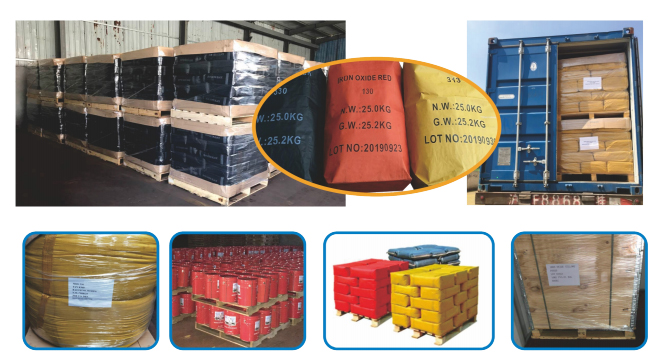
- 25 kg paper bags with plastic inner liner
- 25 kg water-soluble bags for easy addition to concrete mixes
- 25 kg low melting PE bags for plastic applications
- 500-1250 kg jumbo bags for bulk handling
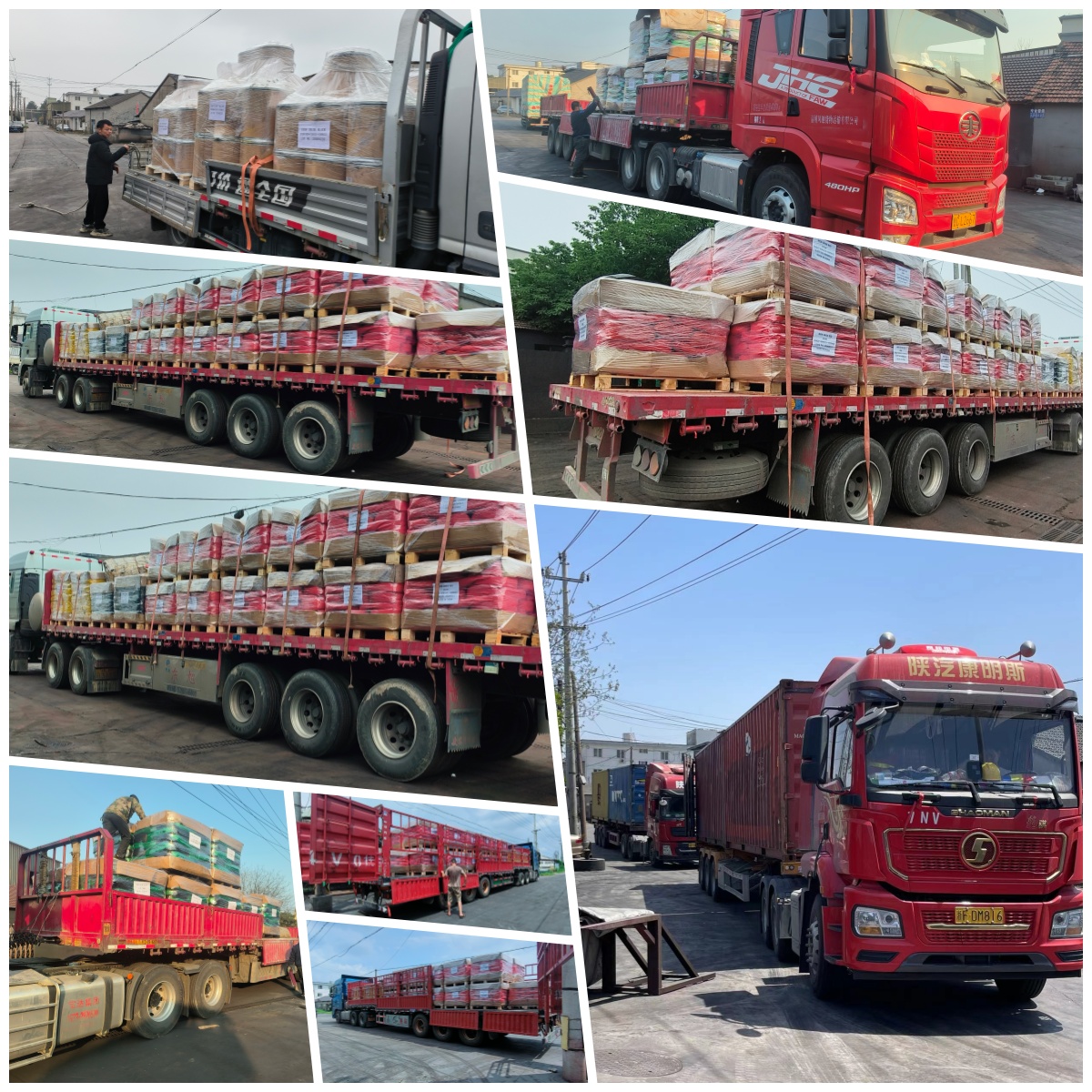
We use professional palletizing and film wrapping to ensure safe delivery. For export, we comply with international shipping standards and can provide necessary documentation.
Information We Use to Configure Your Solution
To prepare a precise quotation and product recommendation, please provide the following details:
- Application: Concrete, coatings, plastics, powder coatings, or other.
- Processing conditions: Temperature range, mixing method, and residence time.
- Required shade: Reference to our full shade or reduction samples, or a specific color target.
- Regulatory requirements: REACH, RoHS, FDA, or other standards you must meet.
- Annual volume: Estimated consumption to optimize packaging and logistics.
- Special needs: Micronized grade, low heavy metal, or custom particle size.
Frequently Asked Questions
Q1: How does Iron Oxide Orange compare to organic orange pigments in terms of chroma?
Iron Oxide Orange produces more muted, earthy tones compared to high-chroma organic pigments like quinacridone or azo orange. For applications requiring strong vibrancy, it is often blended with organic pigments. In construction, industrial coating, and outdoor durability-critical applications, Iron Oxide Orange is preferred for its longevity and cost stability.
Q2: Is Iron Oxide Orange suitable for food contact or medical applications?
Standard industrial-grade Iron Oxide Orange is not approved for food contact materials. For food packaging or medical device applications, grades certified under FDA 21 CFR or EU food contact material regulations must be specified and verified for compliance. Our low heavy metal series can meet these stricter limits when required.
Q3: How can dispersion in water-based coatings be improved?
Pre-dispersing with polycarboxylate-based dispersants followed by high-speed dispersion or bead-milling to the target fineness (typically <20 μm, Hegman 5-6) significantly improves uniformity and tinting strength performance. Our micronized grades are designed to disperse more easily, reducing milling time and energy consumption.
Q4: What are the storage requirements for Iron Oxide Orange?
Store in a dry, cool, ventilated area away from moisture. Keep sealed to prevent moisture absorption, which can reduce dispersibility. Under normal storage conditions, shelf life is 24 months. Avoid exposure to temperatures above 200°C, which may cause hue shift.
Q5: Can you provide samples for testing before bulk order?
Yes, we supply free samples for evaluation. Please contact our sales team with your application details, and we will send the appropriate grade for your testing. We also offer technical support to help optimize the pigment in your formulation.


 English
 عربى
عربى русский
 Español