Iron Oxide Red Pigments for Demanding Industrial Applications
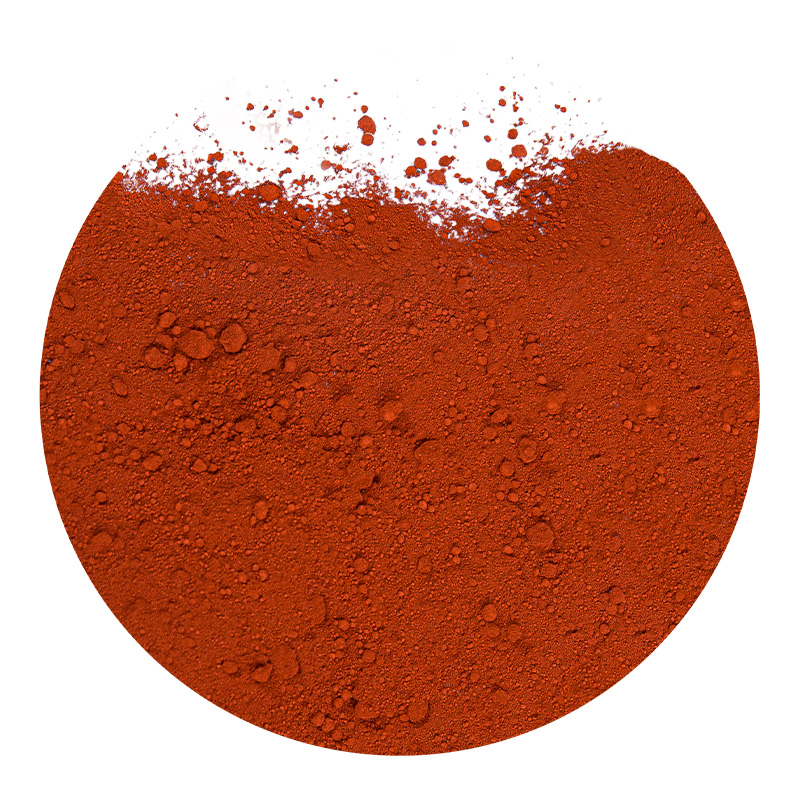
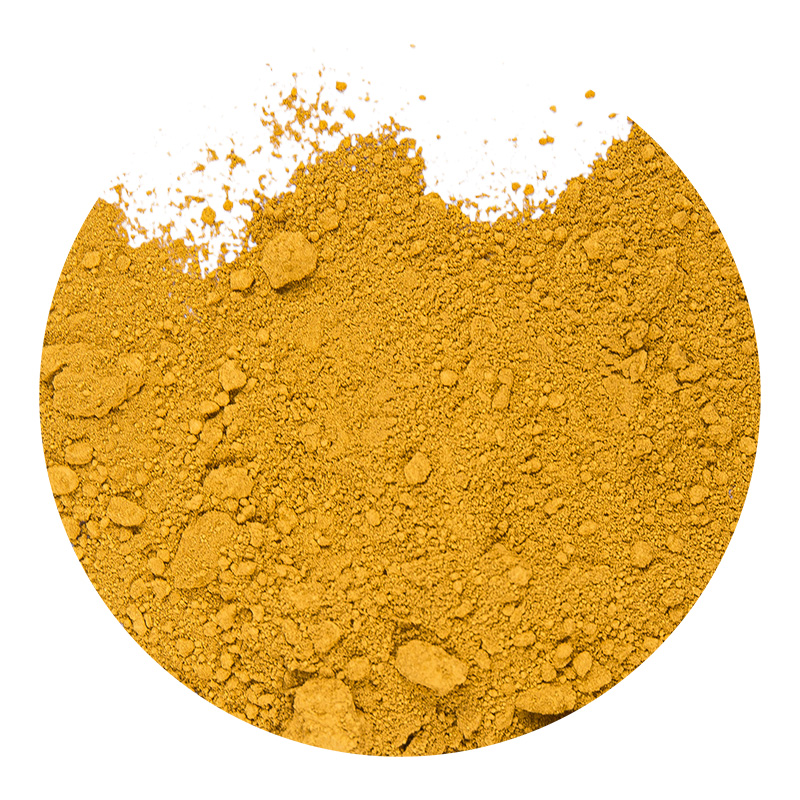
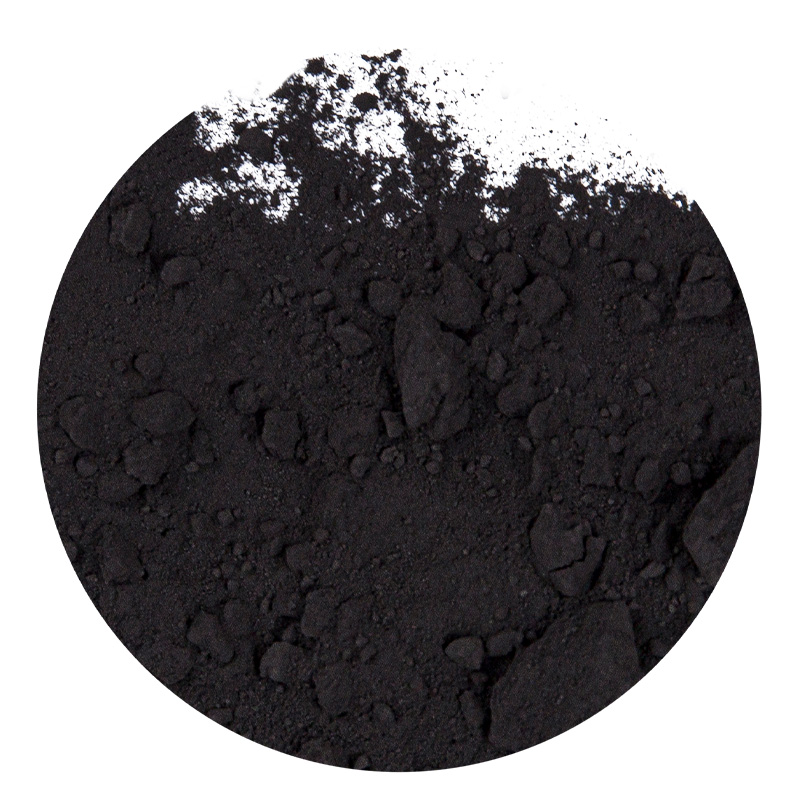
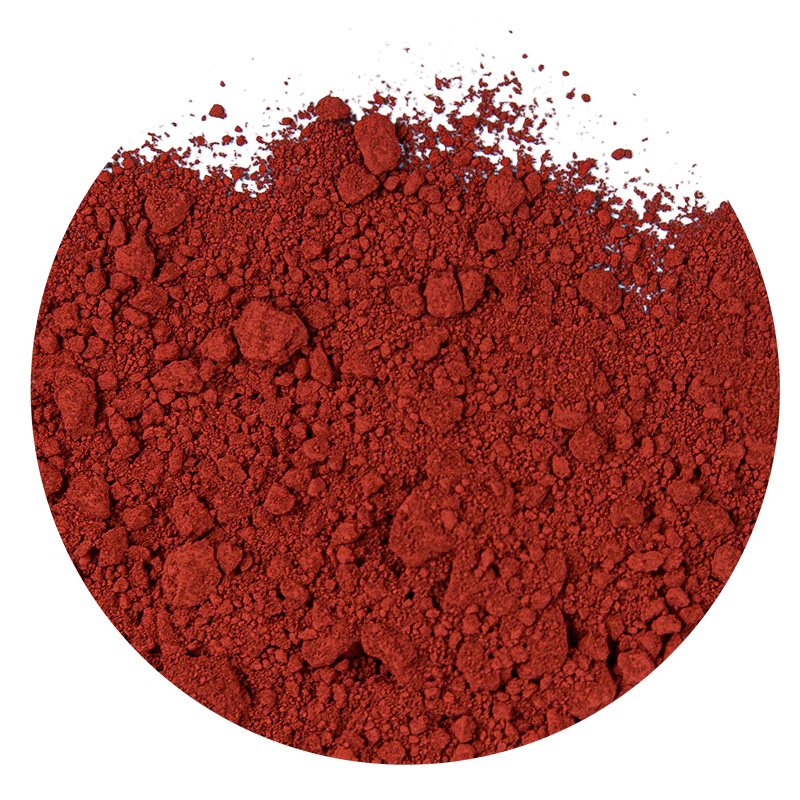
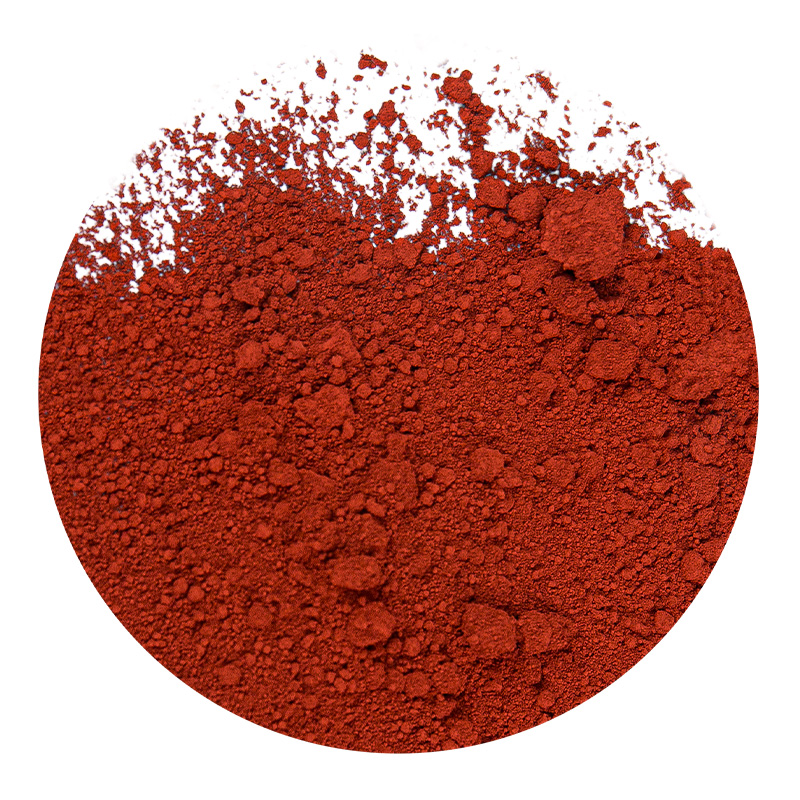
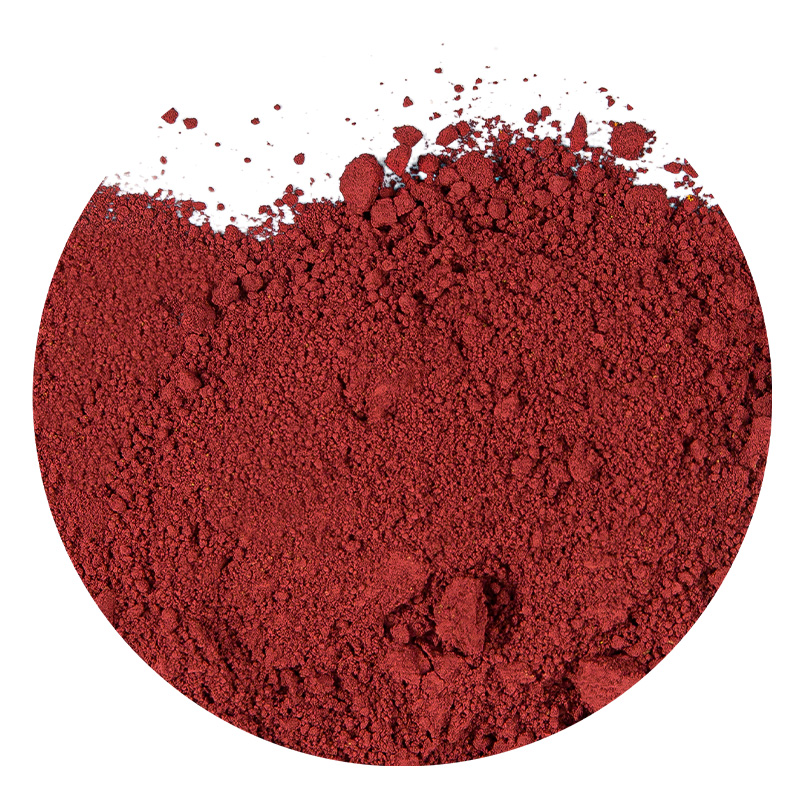
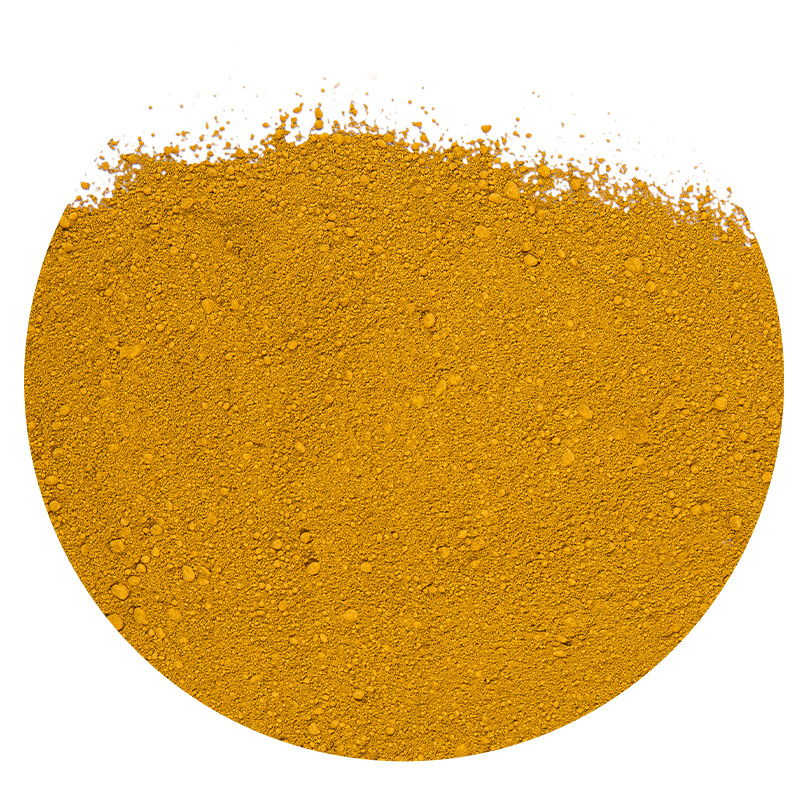
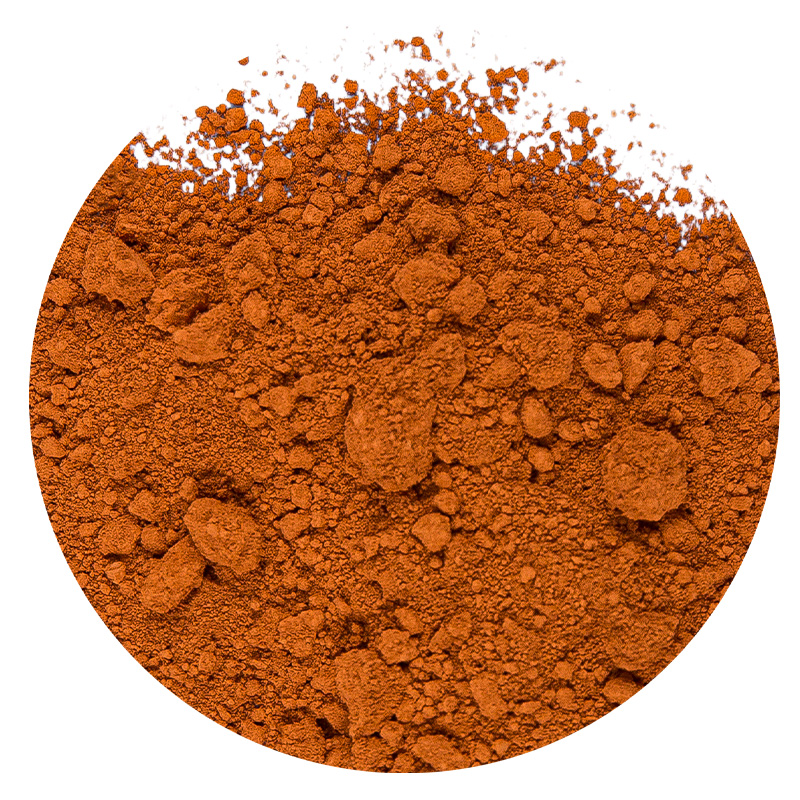
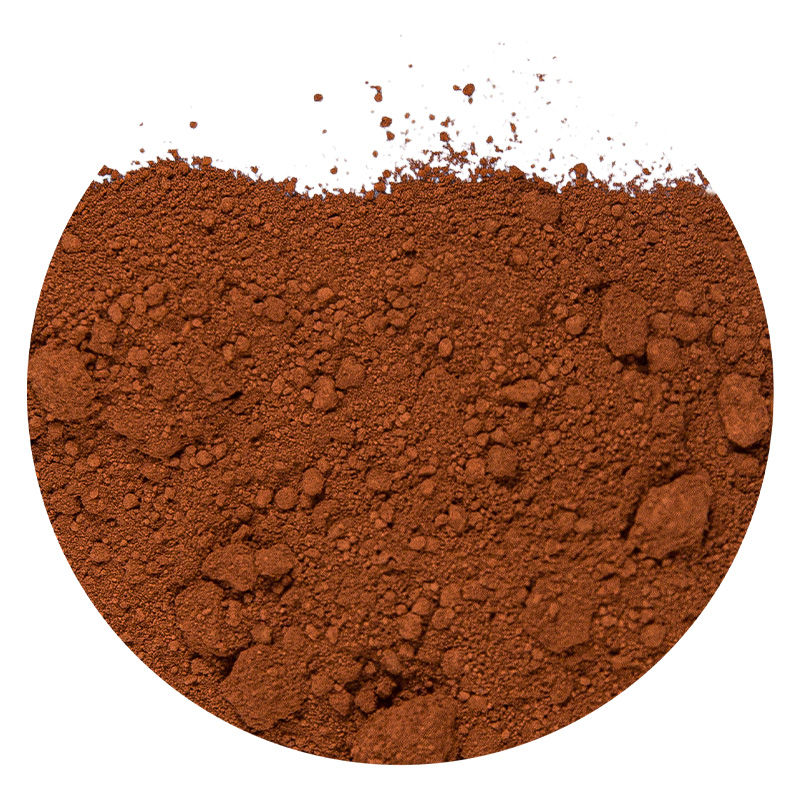
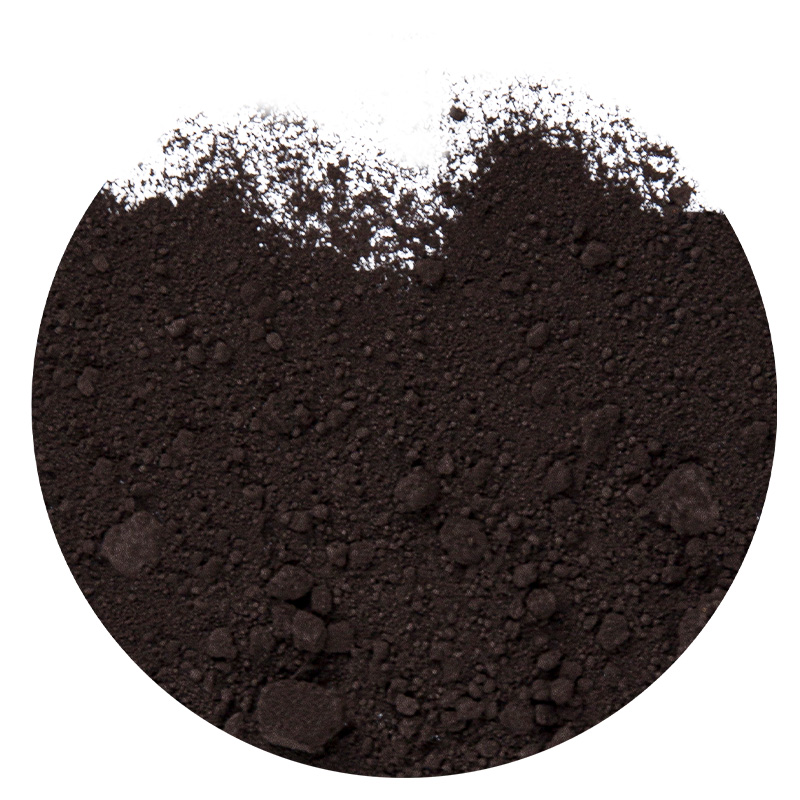
Deqing Demi Pigment Technology Co., Ltd. is a professional Iron Oxide Red manufacturer and supplier based in China. We specialize in the research, development, and production of inorganic iron oxide pigments, offering a comprehensive range of red shades engineered for consistent performance across coatings, construction materials, plastics, ceramics, and more. Our product line includes standard, micronized, and low heavy metal content series, ensuring the right grade for your specific regulatory and processing requirements.
With over a decade of industry experience, we combine advanced calcination technology with rigorous quality control to deliver pigments with high Fe2O3 content, stable color, and excellent dispersion. Our commitment extends beyond production—we prioritize environmental stewardship, safe manufacturing, and the health of our employees and end-users.
Our Iron Oxide Red Range
We offer a broad spectrum of iron oxide red grades, each tailored to different performance needs. The table below outlines our primary types and their typical applications:
| Grade |
Fe2O3 Content (%) |
Particle Shape |
Typical Applications |
| 110 |
≥96 |
Spherical |
Concrete, cement products, paints |
| 120 |
≥96 |
Spherical |
Coatings, rubber, plastics |
| 130S |
≥96 |
Spherical |
High-quality paints, inks |
| 130A |
≥96 |
Spherical |
Architectural coatings, ceramics |
| 190 |
≥95 |
Spherical |
General industrial use |
| 180 |
≥96 |
Spherical |
Concrete tiles, terrazzo |
Each grade is available in standard, micronized, and low heavy metal series. Micronized grades offer faster dispersion and higher tinting strength, ideal for liquid coatings. Low heavy metal grades meet strict regulatory standards for toys, food packaging, and other sensitive applications.
Application Fit and Material Considerations
Our iron oxide red pigments are chemically stable alpha-Fe2O3, providing excellent weather resistance, alkali resistance, and heat stability. They are suitable for:
- Building materials: Colored cement, concrete tiles, mortar, and asphalt—pigments withstand high pH and UV exposure.
- Coatings and paints: Both water-based and solvent-based systems benefit from our micronized grades for high gloss and color development.
- Plastics and rubber: Grades with high thermal stability prevent color shift during processing.
- Ceramics and glass: Stable at high temperatures, ensuring consistent color in glazes and bodies.
- Inks and paper: Fine particle size provides strong tinting strength and smooth application.
When selecting a grade, consider your binder system, processing temperature, and required colorfastness. Our technical team can guide you based on your specific formulation.
Critical Specifications and Quality Assurance
We control key parameters to ensure batch-to-batch consistency:
- Fe2O3 content: Typically ≥96% for most grades, ensuring high pigment purity.
- Oil absorption: 15–25 g/100g, affecting binder demand in paints.
- Residue on 325 mesh: ≤0.3%, ensuring fine particle distribution.
- Water-soluble salts: ≤0.3% to prevent efflorescence in concrete.
- Moisture: ≤1.0% to avoid agglomeration.
- pH value: 3–7, compatible with most systems.
- Density: 0.7–1.1 g/cm³.
Our production follows ISO 9001 standards, and we offer REACH-compliant grades. Each batch is tested for tinting strength (95–105% compared to standard) and color consistency using L*a*b* coordinates.
Configuration Options and Customization
We understand that every project has unique requirements. We offer:
- Series selection: Standard for general use, micronized for faster dispersion, low heavy metal for sensitive applications.
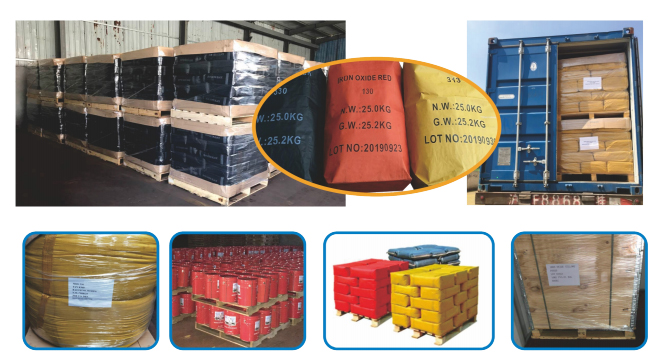
- Packaging: 25kg paper bags with plastic lining, water-soluble bags, low-melting PE bags, or 500–1250kg jumbo bags.
- Custom shades: We can match specific color targets using our color-matching technology.
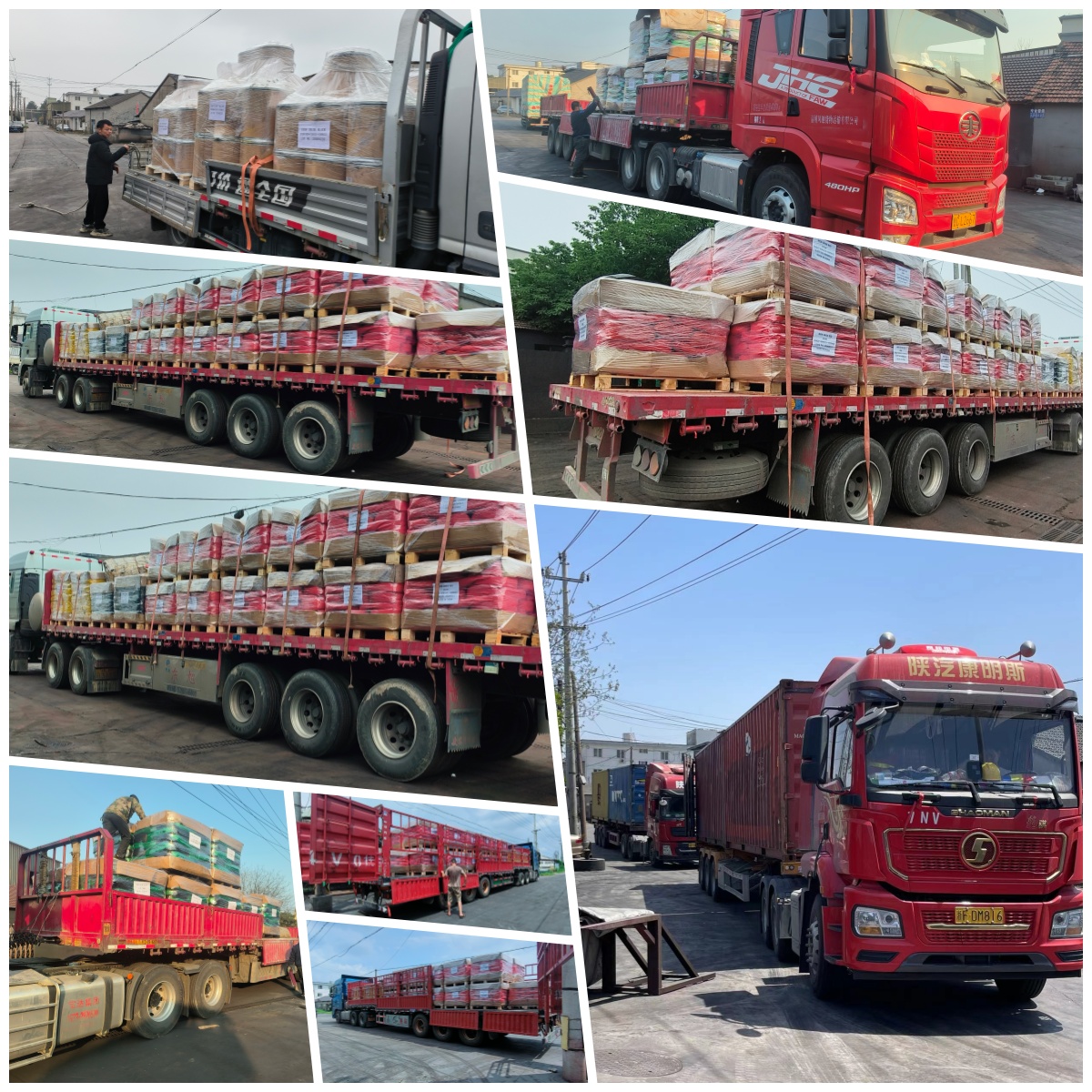
For high-volume orders, we ensure consistent supply and can coordinate logistics to your site.
Integration, Installation, and Maintenance
Our pigments are designed for easy integration into existing production lines. For coatings, we recommend adding pigment during the dispersion phase with appropriate mixing speeds. In concrete, pre-blending with cement ensures uniform color. We provide usage guidelines to avoid common issues like poor dispersion or color variation.
Storage is straightforward: keep in a dry, ventilated area with relative humidity below 60%. Sealed packaging preserves pigment quality for years. We offer guidance on inventory rotation to maintain freshness.
Documentation and Support
We provide comprehensive documentation with every shipment:
- Certificate of Analysis (COA) with detailed specs
- Material Safety Data Sheet (MSDS)
- REACH and other compliance certificates as applicable
Our technical support team is available 24/7 to assist with formulation questions, troubleshooting, and product selection.
Information We Use to Configure Your Solution
To prepare an accurate proposal, we need the following details:
| Project Input |
Why It Matters |
| Application (e.g., paint, concrete) |
Determines suitable grade and series |
| Binder system (water/oil-based) |
Affects dispersion and oil absorption needs |
| Processing temperature |
Ensures thermal stability |
| Regulatory requirements |
Selects low heavy metal series if needed |
| Target color shade |
Helps match specific L*a*b* values |
| Annual volume |
Affects packaging and logistics planning |
With this information, we can recommend the optimal grade, provide samples for testing, and deliver a tailored quotation.
Frequently Asked Questions
Q1: What is the difference between standard and micronized iron oxide red?
Micronized grades undergo additional milling to narrow the particle size distribution. This results in faster dispersion, higher tinting strength, and improved gloss in liquid systems. Standard grades are more economical and suitable for applications where dispersion is less critical.
Q2: Can you provide low heavy metal iron oxide red for food contact applications?
Yes, we offer a specialized low heavy metal series that meets strict regulatory limits (e.g., EU E172, FDA 21 CFR 73). These grades are suitable for toys, food packaging, and other sensitive uses.
Q3: How do you ensure color consistency between batches?
We use automated calcination and color-matching technology to control chromaticity coordinates (L*, a*, b*) within tight tolerances. Each batch is tested against a standard reference to ensure minimal variation.
Q4: What is the shelf life of your iron oxide red powder?
In sealed, dry storage, our pigments remain stable for 5–10 years. The chemical properties do not degrade, but proper storage prevents moisture absorption and agglomeration.
Q5: Do you provide samples for testing?
Yes, we supply free samples for evaluation. You can test the pigment in your formulation to confirm performance before placing a bulk order.


 English
 عربى
عربى русский
 Español