English
 عربى
عربى русский
 Español
Iron Oxide Powder for Ceramic & Tile Manufacturing: Practical Buyer's Guide
Content
- 1 Why Iron Oxide Powder Is the Standard Colorant in Ceramic and Tile Production
- 2 Key Properties That Control Fired Color and Production Consistency
- 3 How Different Iron Oxide Colors Behave in Ceramic Bodies and Glazes
- 4 Sourcing Considerations for Tile Producers
- 5 Selecting a Manufacturer You Can Rely On
A tile manufacturer running a buff-colored porcelain body starts seeing reddish speckles after switching to a new iron oxide powder batch. The kiln profile has not changed, the glaze recipe is untouched, and the pressing parameters are identical. The only variable is the pigment. In ceramic and tile production, this scenario repeats often enough that experienced plant managers treat iron oxide powder as a critical quality input, not a commodity to buy on price alone.
The conclusion comes first: to hold a consistent fired shade, avoid surface defects, and keep production lines running, you need iron oxide powder that is thermally stable, tightly controlled in particle size, and verified for trace heavy metals. Understanding how those three factors affect fired tiles is the difference between smooth output and costly rejects.
Why Iron Oxide Powder Is the Standard Colorant in Ceramic and Tile Production
Iron oxide pigments are the most widely used inorganic colorants in ceramic bodies, engobes, and glazes. Their dominance comes down to four practical facts. They survive firing temperatures that would destroy organic dyes. They deliver strong coloring power at low addition rates. They are chemically simple iron oxides rather than heavy-metal compounds, so compliant grades can meet strict health and environmental specifications. And they are economical compared with cobalt, chrome, and cadmium-based alternatives.
Natural iron minerals are still used in some low-cost applications, but ceramic-grade iron oxide powder is increasingly produced synthetically through controlled precipitation and calcination. Synthetic pigment gives a more stable crystalline form, more consistent color, and fewer impurities such as silica and manganese, which cause unpredictable shade shifts in fired bodies. For tile manufacturers, that predictability is worth far more than the marginal price difference.
- Thermal stability: iron oxides withstand standard oxidizing firing cycles from 1050°C to above 1250°C without decomposing.
- Strong tinting strength: body stains usually require only 0.5 to 3 percent pigment by weight.
- Color range: red, yellow, black, brown, and orange shades from a single pigment family.
- Low toxicity: iron oxide is not classified as a hazardous heavy-metal pigment when impurity limits are controlled.
For a deeper look at how these properties translate into fired results, see our explanation of the coloring properties of iron oxide powder in ceramics and glass.
Key Properties That Control Fired Color and Production Consistency
The fired outcome is decided before the powder reaches the kiln. Four properties matter most when evaluating an iron oxide supply.
| Property | What to Verify | Why It Matters |
|---|---|---|
| Purity (Fe2O3 content) | Certificate of analysis showing at least 95 percent Fe2O3 for pigment-grade red oxide | Low purity brings silica, alumina, or residual salts into the body; these shift fired color and can create pinholes in glazes. |
| Particle size distribution | D50 between 1 and 10 micrometers, with minimal residue on a 325-mesh (45-micron) screen | Coarse particles survive the slurry process and appear as specks after firing; a narrow distribution also improves dispersion in glazes. |
| Heat stability | Color difference (delta E) measured after firing at the tile's maximum kiln temperature | Some pigments, especially yellow iron oxide, change color during firing; the selected grade must match the actual firing cycle. |
| Heavy metal content | Leachable lead, cadmium, mercury, arsenic, and chromium(VI) against applicable tile standards | Tiles installed in indoor spaces must meet chemical safety limits; low-heavy-metal pigment reduces compliance risk at the finished product stage. |
Suppliers that cannot provide a certificate of analysis with each lot create hidden risk. Even a visually identical powder can behave differently in the kiln. Since particle size drives both shade and surface defects, testing incoming lots against a reserved master sample is the most reliable way to catch problems before they reach the production line. Our analysis of particle size distribution and its effect on coatings explains why this parameter deserves attention in any pigment application.
How Different Iron Oxide Colors Behave in Ceramic Bodies and Glazes
Red iron oxide: the most predictable choice
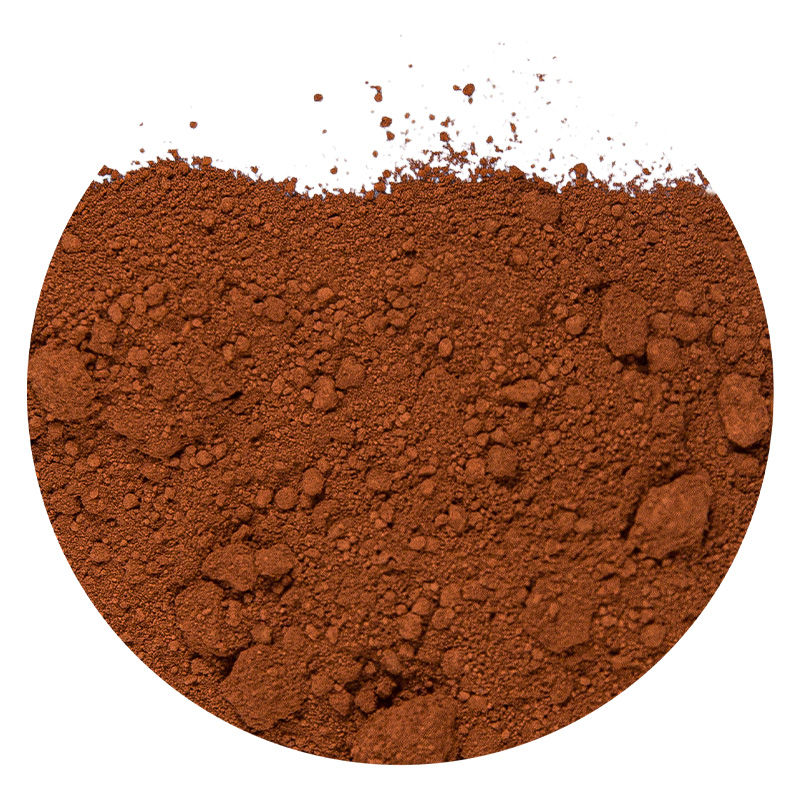
Red iron oxide (alpha-Fe2O3, hematite) is the most common ceramic colorant. It produces red, brown, and terracotta shades, and it deepens buff-colored bodies at low addition rates. Because hematite is already the stable, fully oxidized form, it reacts predictably across most oxidizing firing cycles. A plant that needs maximum color stability should choose a red oxide grade with controlled crystal structure and a tight particle distribution. The red iron oxide pigment line covers standard and micronized options suitable for body staining and glaze coloring.
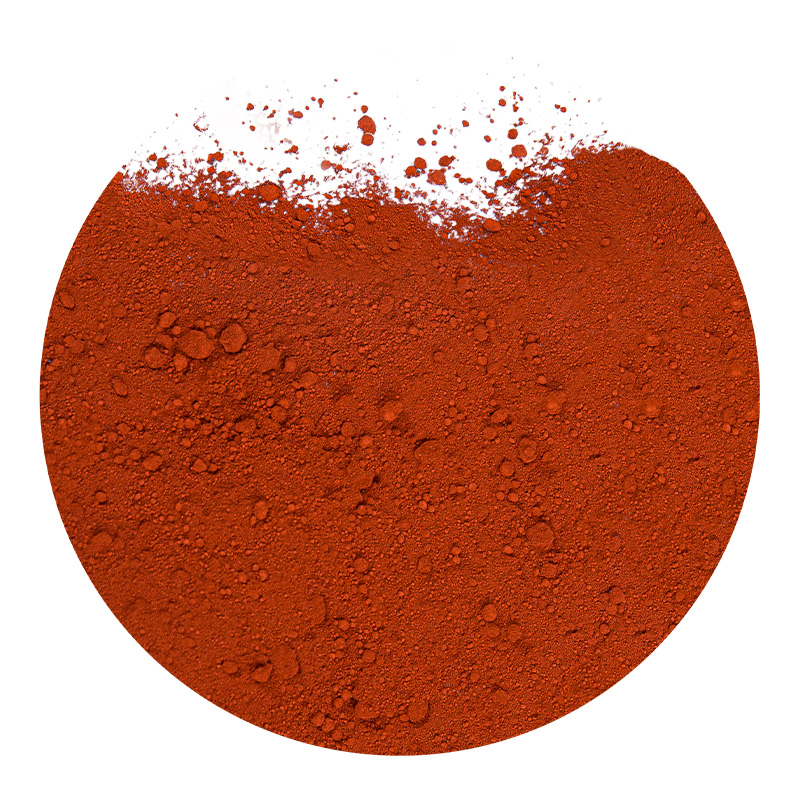 Red Iron Oxide Suppliers, Custom Red Oxide Pigment PowderDeqing Demi: China Red Iron Oxide, Red Oxide Pigment Powder Manufacturers, Suppliers, Factory, We Wholesale Custom Iron Oxide Red Powder ...View Product →
Yellow iron oxide: the color that moves with temperature
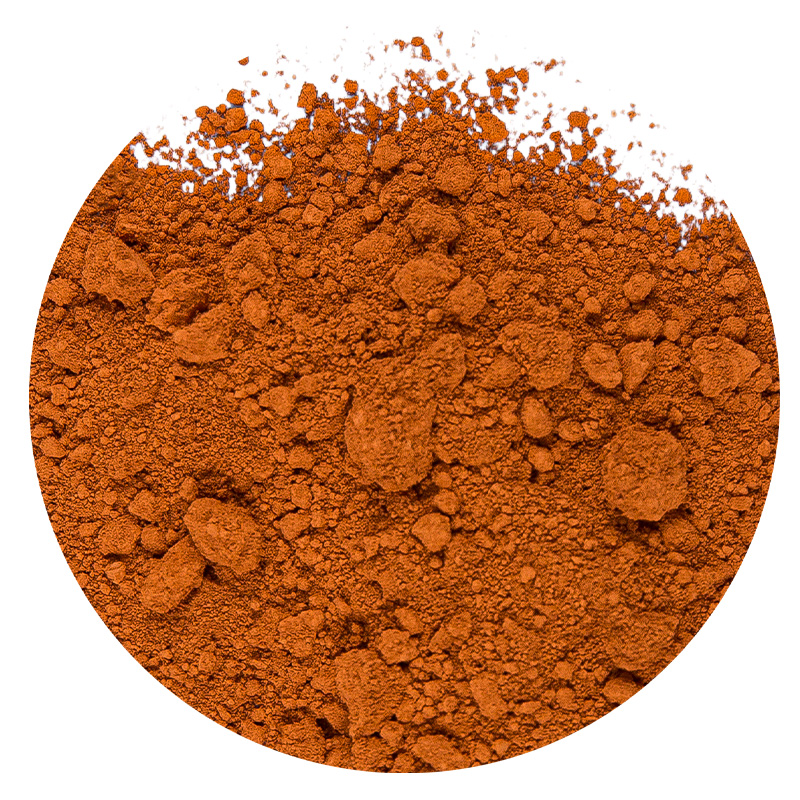
Yellow iron oxide is chemically different because it contains hydrated iron oxide (goethite, FeOOH). During firing, dehydration occurs and the pigment converts to red hematite. This transformation is why yellow iron oxide gives buff, tan, and brown shades at moderate temperatures but shifts toward red as firing temperature rises. If a tile recipe depends on yellow oxide for a specific buff shade, the kiln temperature must be tightly controlled; a variation of even 10 to 20 degrees can move the final color noticeably. For stable low-temperature firing cycles, yellow iron oxide grades for ceramic bodies remain an economical choice when supplied with consistent hydration and low silica.
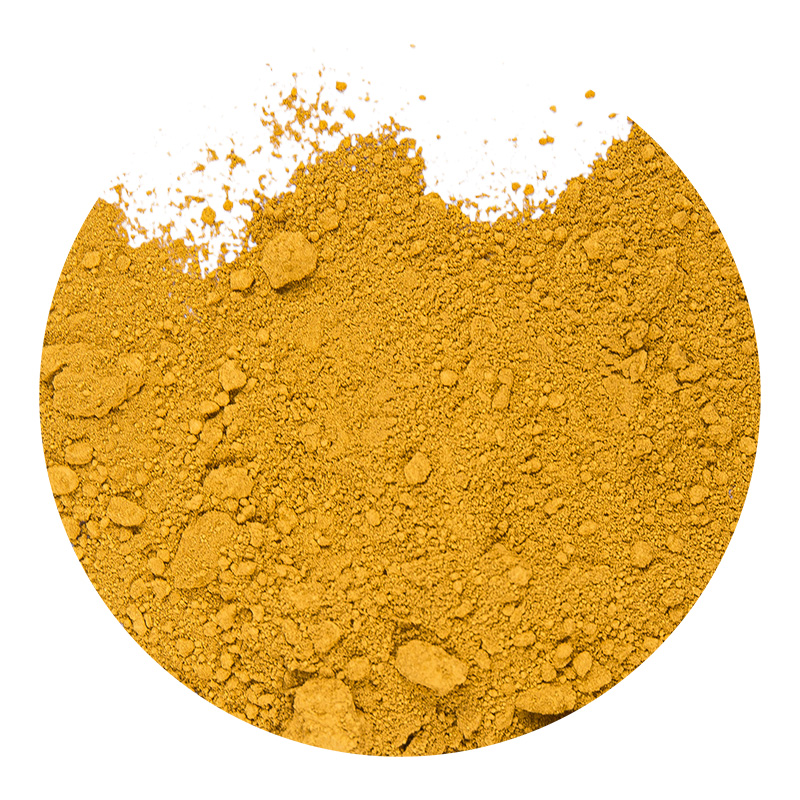 Custom Yellow Oxide Powder, Iron Oxide Yellow Pigment SuppliersDeqing Demi: China Yellow Oxide Powder, Iron Oxide Yellow Pigment Manufacturers, Suppliers, Factory, We Wholesale Custom Iron Oxide Yello...View Product →
Black, brown, and orange iron oxides
Black iron oxide (Fe3O4, magnetite) is selected when a tile body must be darkened deeply. It has intense tinting strength, so addition rates of 0.2 to 1 percent are usually sufficient. Brown pigments are commonly blends of red, yellow, and black oxides or dedicated manufactured browns, while orange shades are adjusted through the yellow-to-red ratio. These mixtures require a supplier that can hold consistent component ratios and verify color against a master sample, because a small shift in one component changes the final shade more than in single-pigment systems.
Sourcing Considerations for Tile Producers
Batch-to-batch consistency
The single biggest procurement risk with iron oxide powder is drift between lots. A supplier that controls its own production process can keep color difference within a narrow delta E range across batches. When evaluating a new source, ask how the manufacturer monitors batch variation and what tolerance it guarantees. For dark floor tiles, black iron oxide grades for dark tile bodies demand particularly tight control, because a small change in tinting strength is immediately visible on the fired surface.
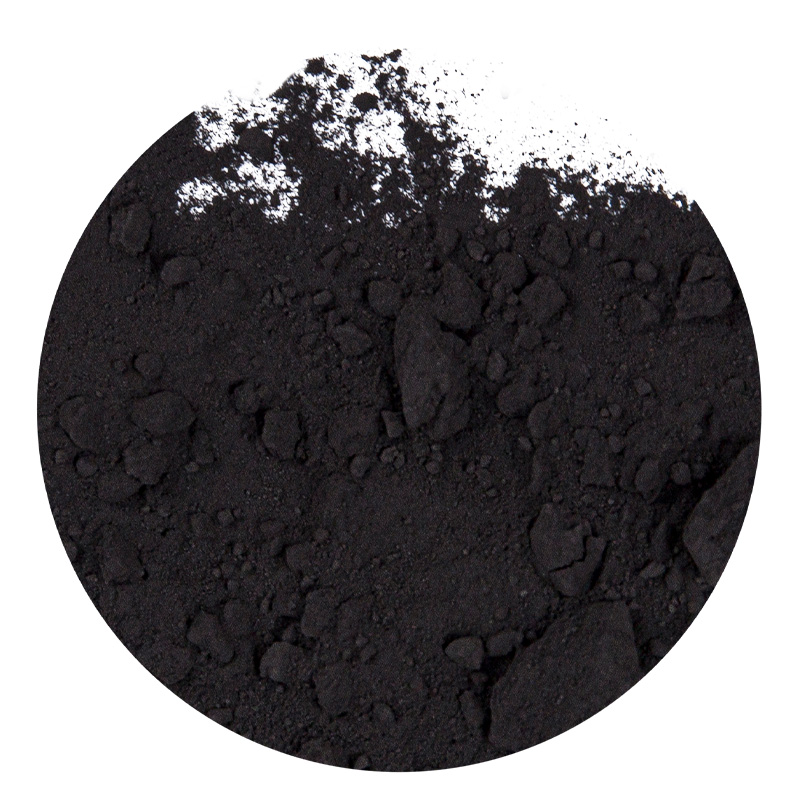 Custom Black Oxide Powder, Black Iron Oxide Pigment SuppliersDeqing Demi: China Black Oxide Powder, Black Iron Oxide Pigment Manufacturers, Suppliers, Factory, We Wholesale Custom Iron Oxide Black E...View Product →
Micronized versus standard grades
Standard iron oxide powder is well suited to body staining, where the final surface masks moderate particle sizes. Micronized grades, which have a finer and narrower particle distribution, are preferred for glazes, engobes, and applications where specks and dispersion defects are unacceptable. Micronization costs more, but it reduces the risk of glaze defects and often allows lower addition rates to achieve the same visual intensity.
Heavy metal compliance
Ceramic tiles sold for interior floors and walls increasingly face chemical safety requirements. Iron oxide pigment itself is a simple iron compound, but natural ores and poorly controlled production can introduce lead, cadmium, arsenic, mercury, or chromium. Specifying a low-heavy-metal grade and requesting test reports with each shipment protects the finished tile's compliance status. Our ceramic and building material applications overview shows how iron oxide pigments fit into production workflows.
Selecting a Manufacturer You Can Rely On
The difference between a pigment trader and a pigment manufacturer matters in ceramic production. A manufacturer controls the reaction, calcination, milling, and quality testing stages, so it can respond when a customer reports color drift or requests a customized particle size. Deqing Demei Pigment Technology is structured as a production-oriented supplier: standard, micronized, and low-heavy-metal series are available across the main color range, and the company publishes factory and equipment information alongside its certification pages for review.
Before qualifying any supplier, request a certificate of analysis, a reserved master sample, and a small production trial. Fire the trial at your actual kiln cycle and measure the color difference with standard delta E methods. A reliable pigment partner should be willing to match the grade to your firing schedule instead of asking you to adjust your process to fit the pigment.
Iron oxide powder is a small fraction of tile production cost, but it controls a disproportionate share of visual quality. Choose it with the same rigor you apply to clay, frit, and glaze: verified chemistry, documented consistency, and a manufacturer that stands behind both.