English
 عربى
عربى русский
 Español
How the Particle Size Distribution of iron oxide powder Affects Color Strength and Gloss in Industrial Coatings
Content
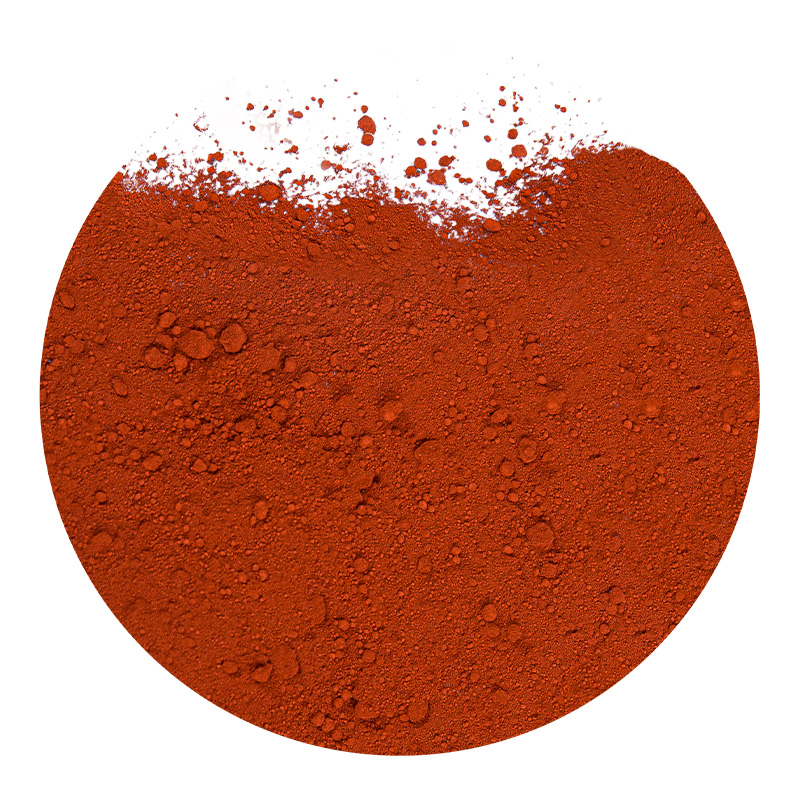
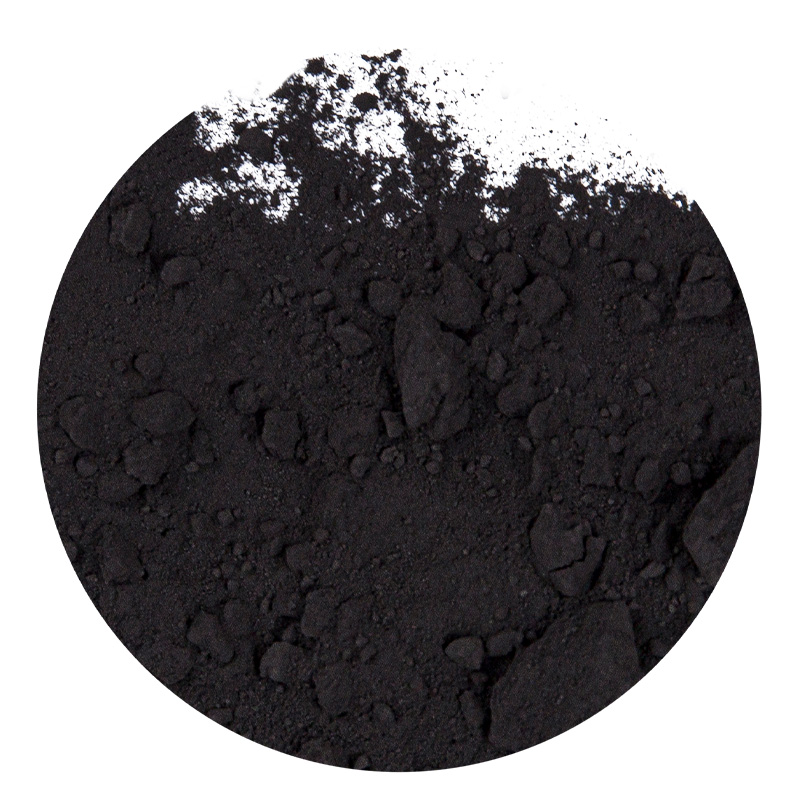
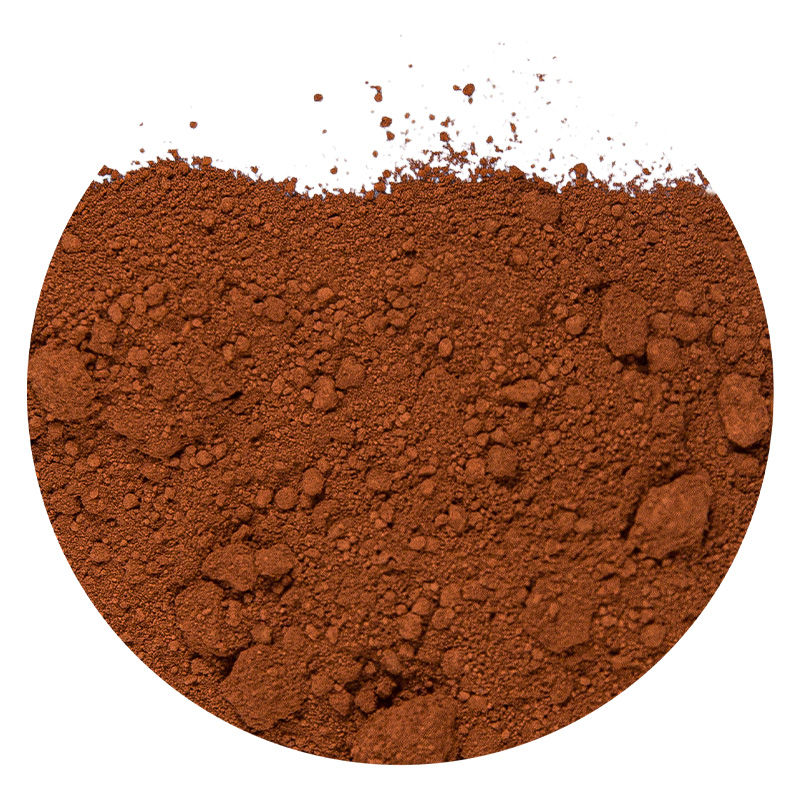
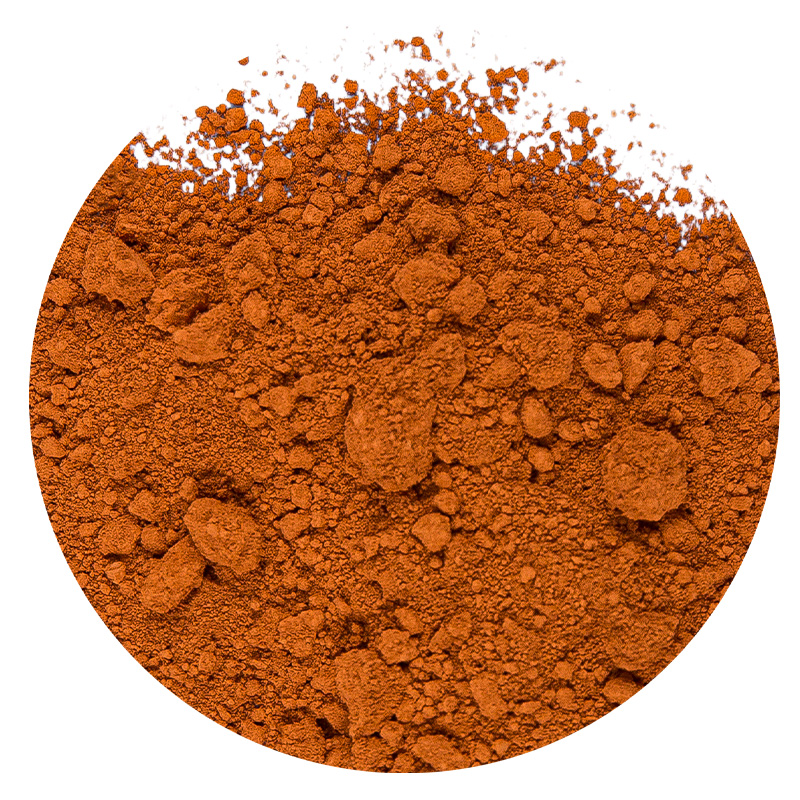
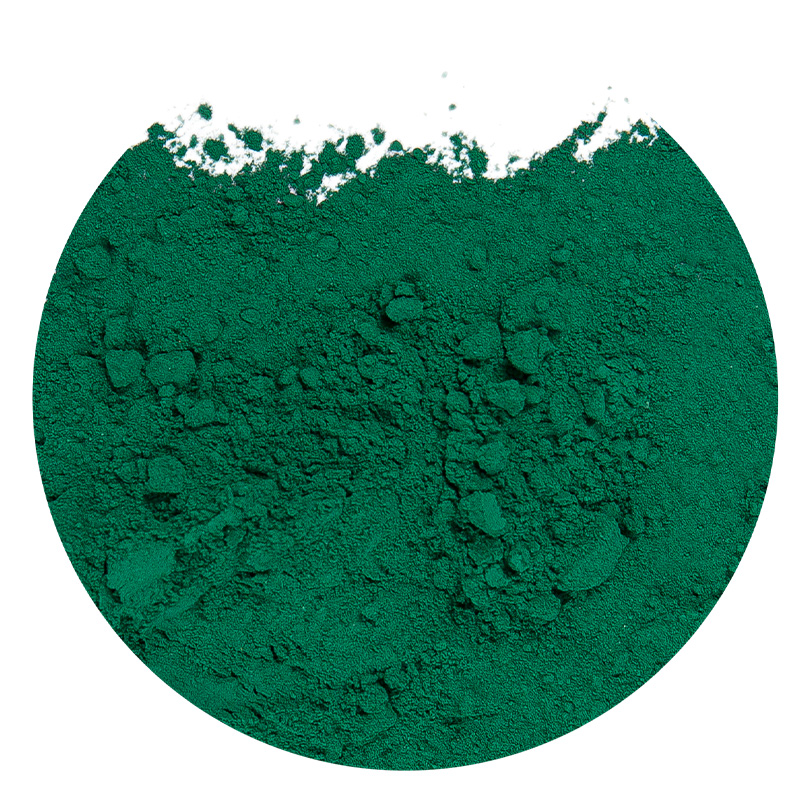
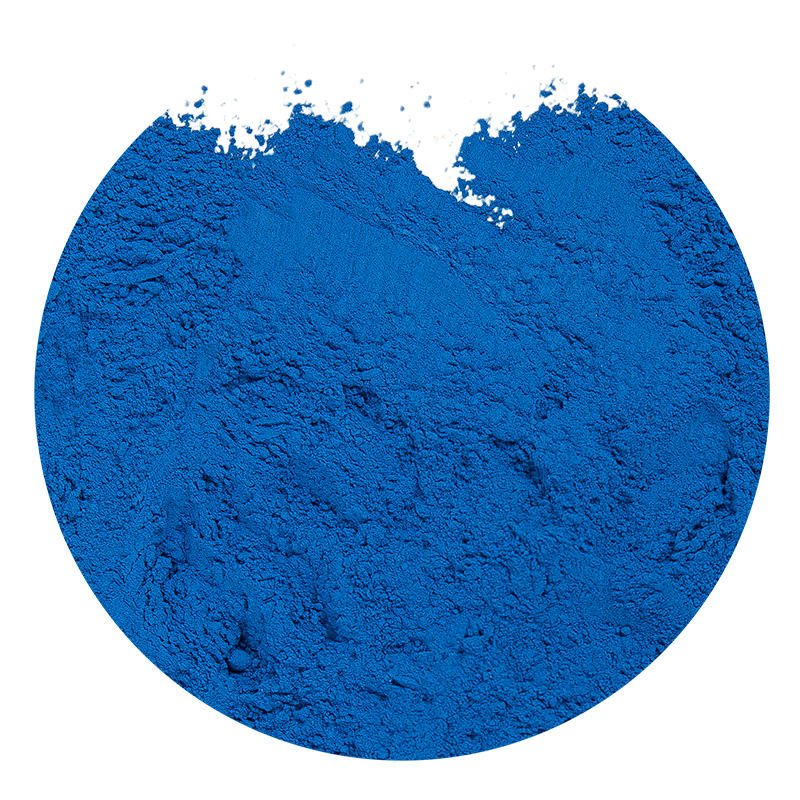
In the formulation of high-performance industrial coatings, the physical characteristics of pigments are as vital as their chemical composition. Among these, iron oxide powder serves as a fundamental inorganic pigment due to its UV stability and chemical resistance. However, for coating engineers, the primary challenge lies in optimizing the Particle Size Distribution (PSD). The PSD directly dictates the optical properties of the film, specifically its color intensity and specular gloss. Deqing Demi Pigment Technology Co., Ltd. specializes in the R&D and production of inorganic iron oxide pigments, offering a diverse palette including red, yellow, black, brown, green, orange, and blue. By producing high-stability composite pigments across standard and micronized series, we provide technical solutions that meet strict low heavy metal iron oxide specifications for global markets.
The Correlation Between Particle Size and Color Strength
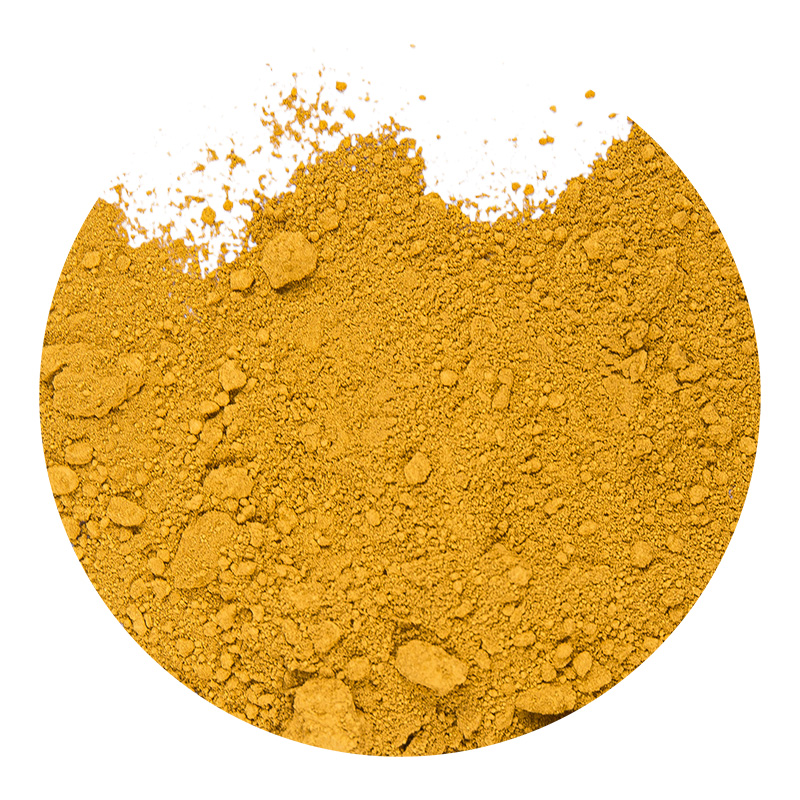
Color strength, or tinting strength, is the ability of a pigment to impart color to a white base. For iron oxide powder, smaller particles generally provide a higher surface area, which increases light scattering and absorption. When utilizing high tinting strength iron oxide red, a narrower particle size distribution ensures that more particles fall within the optimal light-scattering range. According to technical reports from the International Organization for Standardization (ISO) regarding pigment characterization in 2024, the shift toward sub-micron particle engineering has allowed for a 15% increase in tinting efficiency in automotive-grade coatings.
Source: ISO 1248:2024 Iron oxide pigments — Specifications and methods of test
Comparison: Standard vs. Micronized Particle Sizes
Standard grade pigments often contain larger aggregates that require more energy to disperse, whereas micronized iron oxide pigments for coatings undergo advanced milling to reduce particle size, resulting in significantly higher color development with less mechanical shear.
| Parameter | Standard Iron Oxide | Micronized Iron Oxide |
| Average Particle Size (µm) | 0.3 - 0.8 | 0.1 - 0.3 |
| Tinting Strength | 100% (Baseline) | 115% - 125% |
| Ease of Dispersion | Requires high-shear milling. | Easy-disperse; requires minimal shear. |
The Influence of PSD on Specular Gloss and Surface Smoothness
Gloss is a measure of the light reflected off a surface at a specific angle. In industrial coatings, the presence of oversized particles or agglomerates in iron oxide powder creates micro-roughness on the film surface. This roughness causes light to scatter diffusely rather than reflect specularly, thereby reducing gloss. Utilizing micronized iron oxide pigments for coatings ensures that the particle diameter is significantly smaller than the dry film thickness, allowing for a mirror-like finish. Recent 2025 industry data indicates that maintaining a Hegman gauge reading of 7.5 or higher is now the standard for high-gloss industrial finishes.
Source: ASTM D1210 - Standard Test Method for Fineness of Dispersion of Pigment-Vehicle Systems
Thermal Stability and Color Consistency
In powder coatings or baked finishes, the pigment must also withstand thermal stress. A heat stable iron oxide yellow pigment is often engineered with a specific crystal structure (typically Goethite with surface treatments) to prevent the shift from yellow to red during the curing cycle. Larger particles in the PSD can sometimes offer slightly better heat resistance but at the expense of color saturation, requiring a precise balance during the synthetic iron oxide powder for plastics and coatings manufacturing process.
Comparison: Gloss Performance Based on Dispersion Fineness
Higher fineness of grind leads to a smoother surface profile and higher gloss units (GU), while poorly dispersed pigments lead to "orange peel" effects and low gloss.
| Fineness of Grind (Hegman) | Surface Texture | Gloss @ 60° (GU) |
| 4 - 5 (Coarse) | Visible "seeds" or roughness. | 20 - 40 (Matt/Satin) |
| 7 - 8 (Ultra-Fine) | Mirror-smooth. | 85 - 95+ (High Gloss) |
Environmental Responsibility and Global Standards
Modern B2B procurement is increasingly driven by environmental compliance. Beyond optical performance, iron oxide powder must adhere to strict safety thresholds. Deqing Demi Pigment Technology Co., Ltd. is committed to fulfilling its social responsibilities by protecting the ecological environment and caring for employee health. Our low heavy metal iron oxide specifications ensure compliance with international regulations such as REACH and EN71-3, which are critical for coatings used in consumer-facing industries or architectural projects.
The Strategic Role of synthetic iron oxide powder for plastics
While the focus is often on coatings, the particle size requirements for synthetic iron oxide powder for plastics are equally stringent. In thin-film plastics or masterbatches, oversized particles can lead to "fish-eyes" or mechanical weaknesses. Therefore, a controlled PSD is essential for both aesthetic uniformity and the structural integrity of the final polymer product.
Conclusion: Optimizing Industrial Outcomes
Understanding the particle size distribution of iron oxide powder is essential for achieving the desired color strength and gloss in industrial coatings. By choosing specialized grades, such as high tinting strength iron oxide red or heat stable iron oxide yellow pigment, manufacturers can reduce processing costs and improve product quality. Deqing Demi Pigment Technology Co., Ltd., along with our trade partner Deqing Hele New Material Technology Co Ltd., continues to lead in the research and development of high-performance inorganic pigments, ensuring that our customers receive pigments with high stability and superior optical properties.
Frequently Asked Questions (FAQ)
- How does micronization improve iron oxide powder performance? Micronization reduces the particle size and narrows the distribution, leading to better dispersion, higher gloss, and increased tinting strength.
- What is the benefit of low heavy metal iron oxide specifications? These specifications ensure the pigments are safe for use in sensitive applications like toys, food packaging, and architectural coatings, meeting global environmental standards.
- Why is heat stable iron oxide yellow pigment necessary? Standard iron oxide yellow (Goethite) dehydrates into iron oxide red at high temperatures; heat-stable versions are treated to prevent this color shift during high-heat processing.
- How does particle size affect synthetic iron oxide powder for plastics? Fine and uniform particle sizes prevent defects in plastic films and ensure consistent color throughout the masterbatch.
- Does Deqing Demi produce colors other than red and yellow? Yes, we produce a comprehensive range including iron oxide black, brown, green, orange, and blue composite pigments.