English
 عربى
عربى русский
 Español
Iron Oxide Powder: Safety, Makeup Uses & Importance
Content
- 1 Iron Oxide Powder: Safe, Proven, and Irreplaceable
- 2 Is Iron Oxide Powder Safe for Skin?
- 3 Nano vs Standard Particle Size: What Changes?
- 4 Why Is Iron Oxide Used in Makeup?
- 5 Iron Oxide Concentration Levels in Common Makeup Products
- 6 Why Is Iron Oxide Important Beyond Cosmetics?
- 7 Iron Oxide Across Industries: A Snapshot
- 8 How to Choose the Right Iron Oxide Powder
- 9 Key Specifications to Verify Before Purchasing
- 10 Iron Oxide Powder at a Glance
Iron Oxide Powder: Safe, Proven, and Irreplaceable
Iron oxide powder is safe for skin, widely approved by global regulatory bodies, and used in makeup because it delivers unmatched color stability, UV protection, and skin compatibility. Its importance spans cosmetics, industrial coatings, construction materials, and biomedical applications — making it one of the most versatile mineral pigments on Earth.
Is Iron Oxide Powder Safe for Skin?
Iron oxide powder is safe for skin use at cosmetic concentrations. The FDA classifies iron oxides as approved color additives (21 CFR 73.1200) for use in externally applied cosmetics with no established upper limit for topical application, because the pigment particles do not penetrate the skin barrier under normal use conditions.
The European Commission's Scientific Committee on Consumer Safety (SCCS) reviewed iron oxides comprehensively in 2015 and confirmed safety for all skin types, including sensitive skin. The key factor is particle size: cosmetic-grade iron oxide powder is typically 0.1–10 microns in diameter — large enough that it sits on top of the stratum corneum rather than absorbing into living tissue.
Nano vs Standard Particle Size: What Changes?
The safety profile shifts when iron oxide is milled to nano-scale (under 100 nm). Several studies have shown that nanoparticles can penetrate hair follicle channels more deeply than standard particles. Most jurisdictions now require separate safety assessment and labeling for nano-form iron oxide in cosmetics. Standard cosmetic-grade iron oxide powder — the type found in foundations, blushes, and eyeshadows — is not nanoparticulate and carries no such concerns.
| Particle Size | Penetration Depth | Safety Status | Regulatory Note |
| 1–10 micron (standard) | Surface only | Fully approved | No special labeling |
| 100–999 nm (sub-micron) | Follicle entry possible | Generally approved | Monitor per region |
| Under 100 nm (nano) | Deeper follicle channels | Conditional — assess separately | EU requires "nano" label |
For consumers with reactive or compromised skin barriers, iron oxide is actually one of the more tolerable pigment options — it contains no coal tar derivatives, no azo dyes, and no heavy metal impurities when manufactured to cosmetic-grade specifications (purity typically above 99%).
Why Is Iron Oxide Used in Makeup?
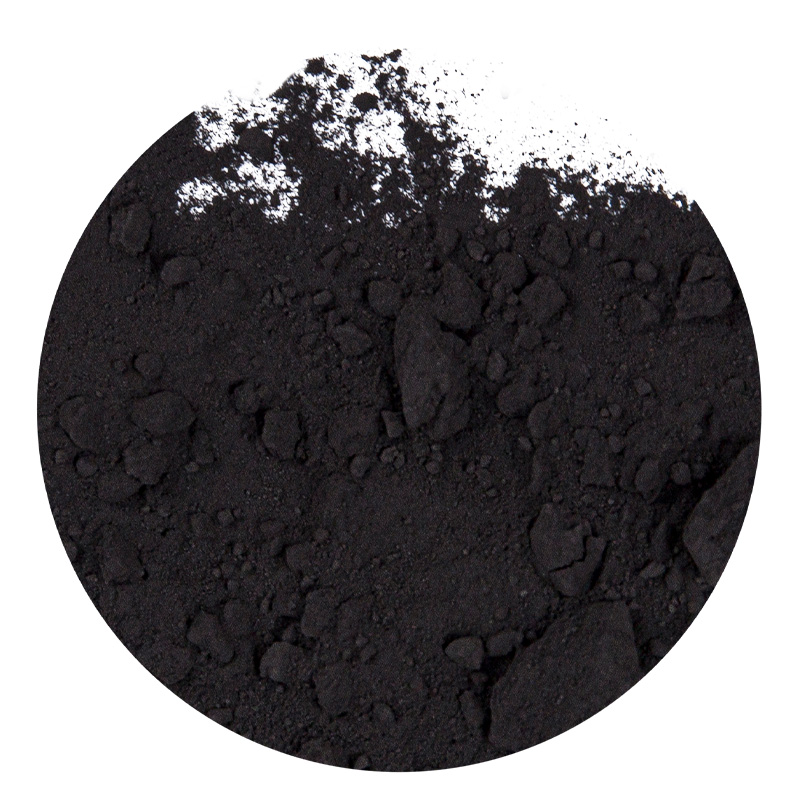
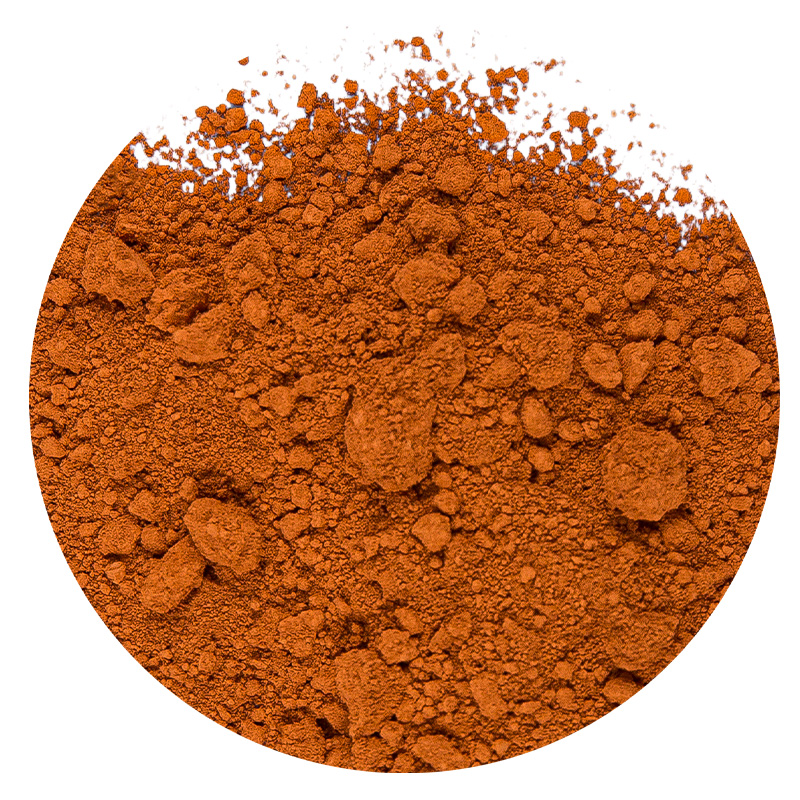
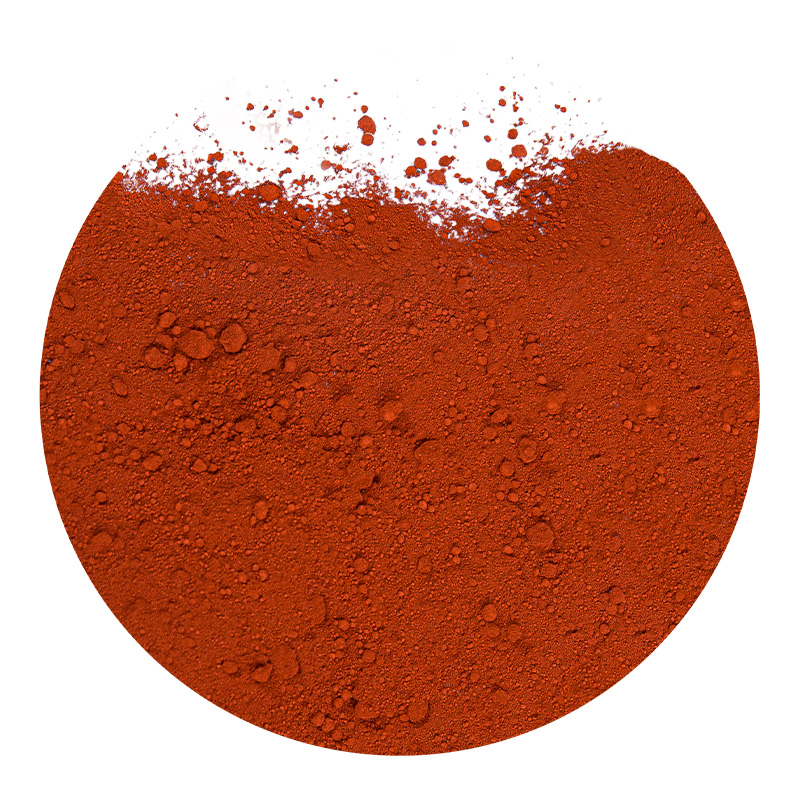
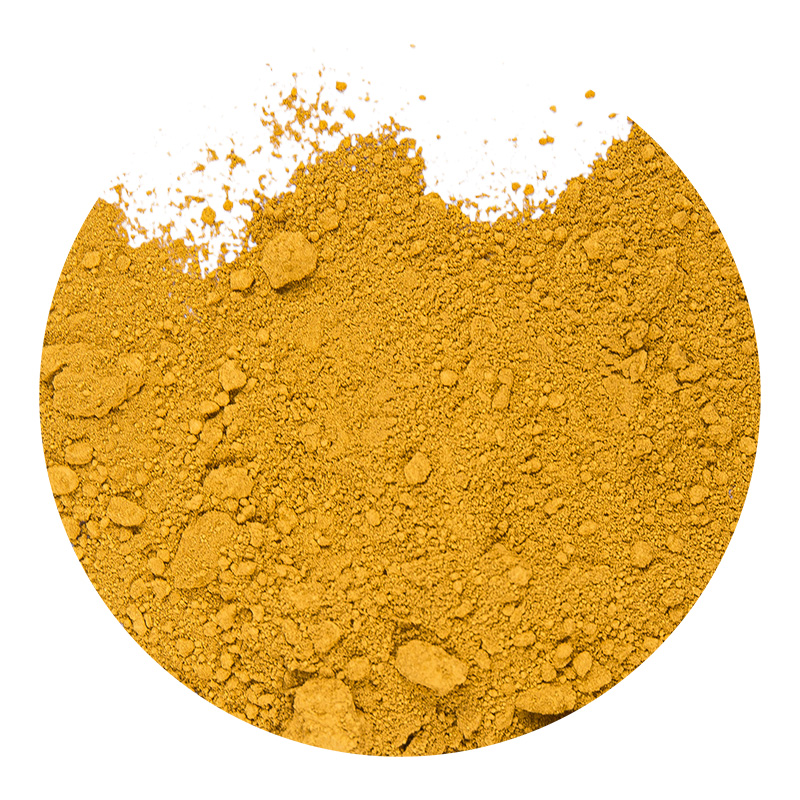
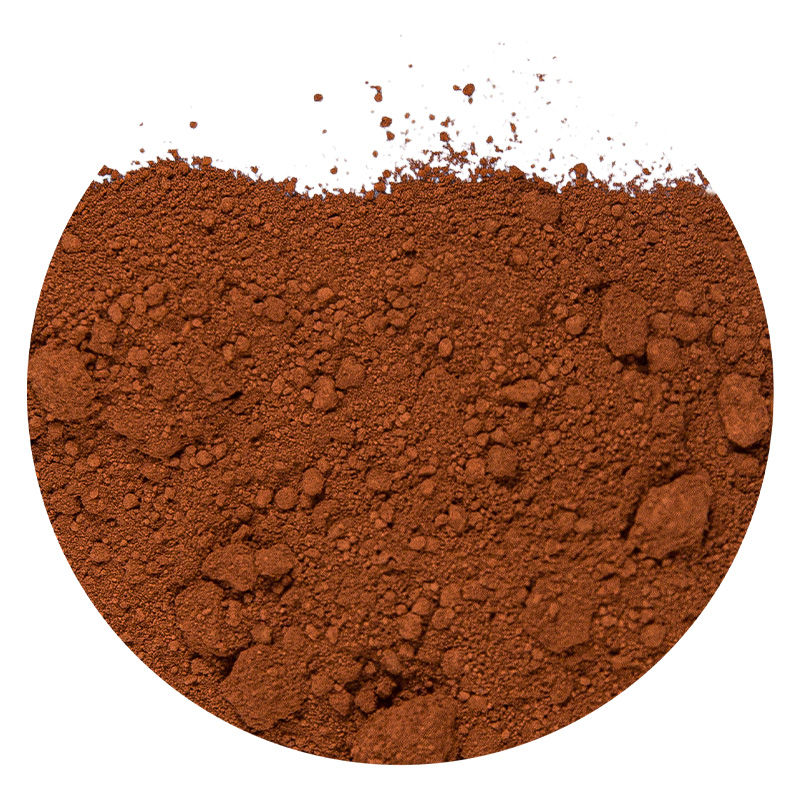
Iron oxide is the foundational pigment system in most skin-tone cosmetics. By blending red, yellow, black, and brown iron oxides in precise ratios, formulators can recreate every human skin tone from the palest porcelain to the deepest ebony. No synthetic dye system achieves this range with comparable safety and lightfastness.
The four base iron oxides produce warm reds, golden yellows, cool blacks, and earthy browns. Mixed in different proportions, they replicate the full Munsell hue-value-chroma space of human skin tones. A typical foundation line of 40 shades uses the same four pigments — only the ratios change.
Iron oxides do not degrade under UV light. Lab testing shows less than 2% hue shift after 200 hours of UV exposure — versus 15–30% shift for many synthetic organic dyes in the same test.
Iron oxide absorbs UVA radiation (320–400 nm) and contributes measurably to product SPF. Studies confirm that foundations with iron oxide can boost effective SPF by 4–8 points beyond sunscreen chemistry alone.
Unlike many organic dyes, iron oxides are inert — they do not react with skin proteins, sebum, or preservatives. This is why they appear in formulations for sensitive, acne-prone, and post-procedure skin without triggering reactions.
Iron oxides work in both oil-based and water-based systems. Surface-treated grades (silicone-coated or alumina-coated) provide water resistance and slip for long-wear foundations and waterproof products.
Iron Oxide Concentration Levels in Common Makeup Products
| Product Type | Typical Iron Oxide % | Primary Oxides Used | Function |
| Liquid Foundation | 1–8% | Red, Yellow, Black blend | Skin tone match, coverage |
| Pressed Powder | 5–15% | Red, Yellow, Brown | Tone, oil control |
| Eyeshadow | 5–40% | All types | Depth, opacity, dimension |
| Blush / Bronzer | 3–20% | Red, Yellow, Brown | Warmth, flush effect |
| Mineral SPF | 2–10% | Red, Yellow, Black | Tint + UV attenuation |
| Lip Color | 1–12% | Red, Black | Pigmentation, depth |
Why Is Iron Oxide Important Beyond Cosmetics?
Iron oxide is among the most produced inorganic pigments globally, with annual production exceeding 1.5 million metric tons. Its importance extends far beyond makeup — it is foundational to construction, industrial protection, and even emerging medical technology.
Iron oxide pigments color concrete, brick, mortar, and roofing tiles. The pigment is chemically bonded within the silica matrix of concrete, where it resists UV degradation for decades. A single large infrastructure project — a highway, stadium, or bridge — may use several tons of iron oxide to achieve architectural color consistency.
Red iron oxide (Fe2O3) is a primary component of anti-corrosion primers for steel structures. It acts as both a barrier and a passivation agent, reducing electrochemical corrosion rates by up to 70% compared to uncoated steel in salt-spray testing. Marine vessels, pipelines, and bridges rely on it.
Superparamagnetic iron oxide nanoparticles (SPIONs) are used as MRI contrast agents and targeted drug delivery vehicles. Their magnetic properties allow them to be guided through the body using external magnetic fields — a technology actively studied for cancer treatment, where iron oxide nanoparticles are used to deliver chemotherapy agents directly to tumor sites.
Rouge — finely milled red iron oxide — has been the standard metal polishing compound for optical lenses, jewelry, and precision instruments for over a century. Its hardness (5.5–6.5 Mohs for Fe2O3) makes it effective without scratching the softer substrates it polishes.
Iron Oxide Across Industries: A Snapshot
| Industry | Application | Volume Share | Key Property Used |
| Construction | Concrete / tile pigmentation | ~55% | Lightfastness, chemical stability |
| Coatings & Paints | Primers, topcoats | ~20% | UV resistance, anti-corrosion |
| Cosmetics | Foundations, powders, lips | ~10% | Skin safety, tone range |
| Plastics / Rubber | Coloration of polymers | ~8% | Heat stability, non-migration |
| Biomedical | MRI agents, drug delivery | ~2% | Superparamagnetism |
| Other (polishing, electronics) | Precision abrasives, data storage | ~5% | Hardness, magnetic properties |
How to Choose the Right Iron Oxide Powder
Not all iron oxide powders are interchangeable. The right grade depends entirely on the application. Cosmetic-grade requires documented purity certificates and heavy metal testing; industrial-grade prioritizes tint strength and bulk economics. Choosing the wrong grade for skin contact — even unintentionally — is the most common error in DIY cosmetic formulation.
For any formulation intended for skin contact — from DIY mineral makeup to professional cosmetic manufacturing — always source iron oxide powder with a full certificate of analysis (COA) that includes heavy metal assay results. Lead and arsenic are the two contaminants of greatest concern in poorly refined iron oxide sourced from non-cosmetic channels.
Key Specifications to Verify Before Purchasing
Iron Oxide Powder at a Glance
From the skin-safe pigments in your daily foundation to the anti-corrosion primer on a bridge cable, iron oxide powder is one of the most useful, well-studied, and regulatory-approved inorganic materials in global commerce. Its safety for skin is backed by decades of toxicology data and approvals across every major regulatory system. Its value in makeup comes from an unbeatable combination of color range, photostability, and UV protection. And its industrial importance — from concrete to cancer treatment — ensures it remains indispensable far beyond the cosmetics aisle.