English
 عربى
عربى русский
 Español
Technical Performance Analysis: Pigment Red 101 vs. Competitive Red Colorants
Content
- 1 1. Opacity and Hiding Power: The Inorganic Advantage
- 2 2. Tinting Strength and Color Brilliance
- 3 3. Dispersibility and Particle Engineering
- 4 4. Environmental Stability and Chemical Resistance
- 5 Frequently Asked Questions (FAQ)
- 5.1 1. Is Pigment Red 101 safe for use in consumer products?
- 5.2 2. Why choose micronized grades of iron oxide red?
- 5.3 3. How does Pigment Red 101 behave in exterior paints?
- 5.4 4. Can I use Pigment Red 101 in transparent wood stains?
- 5.5 5. What is the difference between natural and synthetic Red 101?
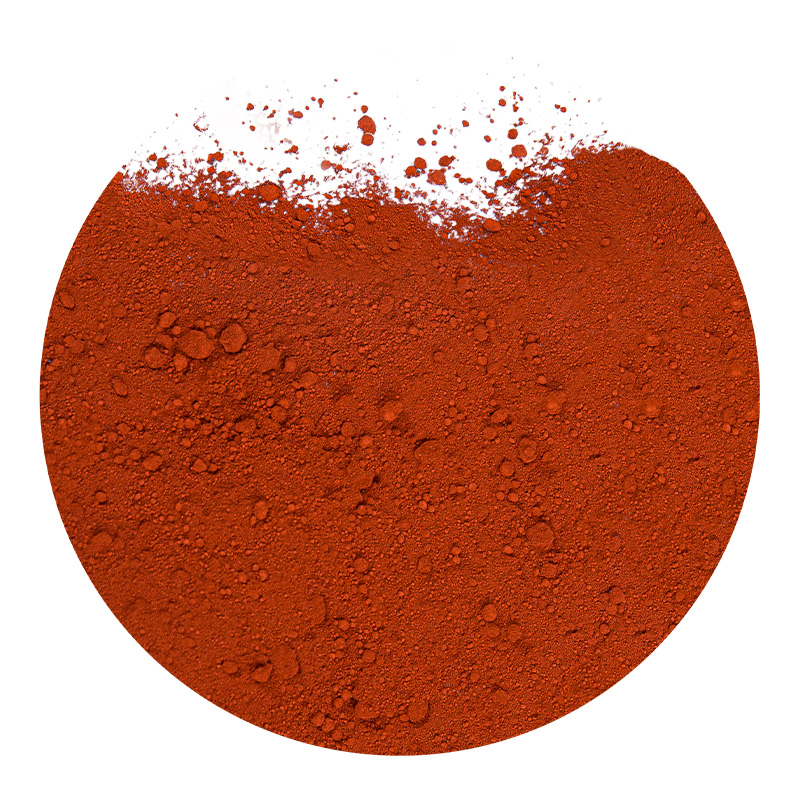
In the industrial colorant market, selecting the right red pigment involves a sophisticated balance of chemical stability, environmental safety, and optical performance. Pigment Red 101, chemically known as synthetic ferric oxide (), serves as the backbone of the construction, coatings, and plastics industries. Deqing Demi Pigment Technology Co., Ltd. has dedicated years to the R&D of inorganic iron oxide pigments, offering standard, micronized, and low heavy metal series. Through our trade arm, Deqing Hele New Material Technology Co Ltd., we provide high-performance solutions that prioritize both quality and ecological responsibility. This guide provides an engineer-level evaluation of how Pigment Red 101 performs against organic reds and other inorganic alternatives in terms of tinting strength, opacity, and dispersibility.
1. Opacity and Hiding Power: The Inorganic Advantage
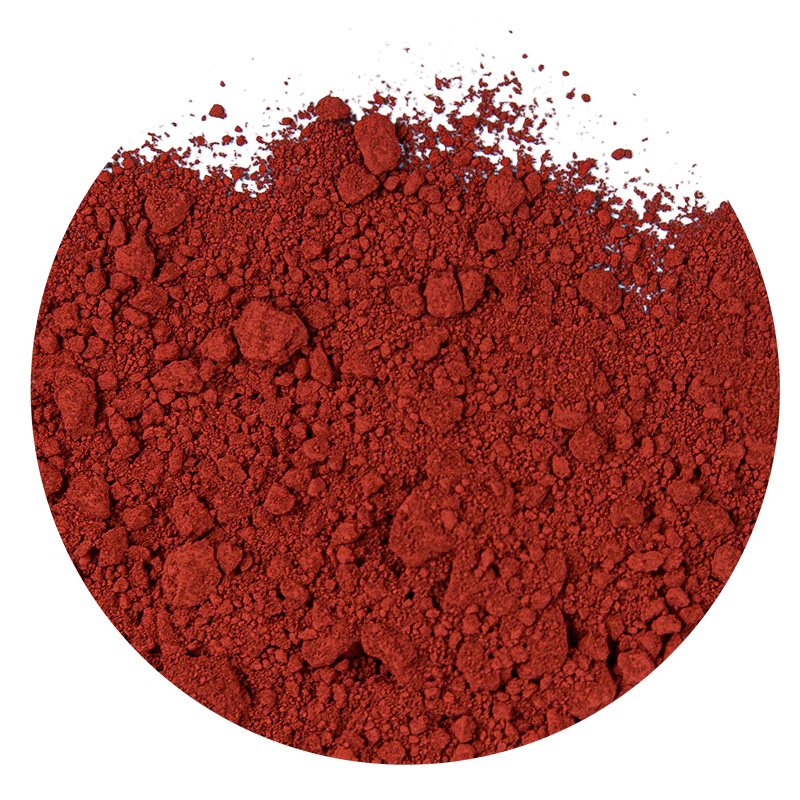
One of the primary strengths of Pigment Red 101 is its exceptional hiding power, which stems from its high refractive index and crystalline structure. Unlike many organic red pigments that are transparent or semi-transparent, iron oxide red provides nearly 100% opacity even in thin film applications. According to the 2024 Global Coatings Market Analysis by the World Coatings Council, the demand for high-opacity inorganic pigments has grown by 4.2% as manufacturers seek to reduce the number of coats required in architectural applications. For industrial users, high purity iron oxide red pigment for concrete ensures that the substrate is completely masked with minimal pigment loading.
Source: World Coatings Council - 2024 Global Market Report
Comparative Analysis: Opacity Performance
While Pigment Red 101 offers superior coverage for opaque applications, it cannot match the transparency required for specialized wood stains or metallic automotive finishes where organic reds excel.
| Pigment Type | Opacity Level | Typical Application |
| Pigment Red 101 (Synthetic) | Excellent / Full Opacity | Concrete, Primers, Exterior Paints |
| Organic Red (e.g., PR 254) | Moderate / Semi-Transparent | Automotive Finishes, High-end Plastics |
| Cadmium Red | High Opacity | Niche Industrial (Limited by Toxicity) |
2. Tinting Strength and Color Brilliance
Tinting strength refers to the ability of a pigment to impart its color to a white base. While Pigment Red 101 is highly efficient, its tinting strength is generally lower than that of high-performance organic pigments. However, its stability is unmatched. In 2025, technical breakthroughs in particle size control have allowed for micronized Pigment Red 101 for plastics to achieve 15-20% higher tinting efficiency than standard grades. According to the latest technical bulletin from the International Organization for Standardization (ISO 1248:2024), synthetic iron oxides must meet stricter color consistency parameters to ensure batch-to-batch uniformity in automated dosing systems.
Source: ISO 1248:2024 - Iron Oxide Pigments Specifications
Comparative Analysis: Color Intensity and Saturation
Organic pigments provide a much higher "chroma" or vividness, whereas Pigment Red 101 provides earthy, natural tones that are exceptionally lightfast.
| Performance Factor | Organic Red Pigments | Pigment Red 101 |
| Color Brilliance (Chroma) | Very High / Vibrant | Subdued / Natural Earth Tones |
| Tinting Strength | High (Low dosage needed) | Medium (Requires higher loading) |
| UV Resistance | Variable (Fades over time) | Outstanding (Permanent color) |
3. Dispersibility and Particle Engineering
In the production process, dispersibility is the key to cost-efficiency. Poorly dispersed pigments lead to "specks" and inconsistent coloring. Pigment Red 101 is naturally hydrophilic, making it easier to disperse in aqueous systems than many organic counterparts. To meet the needs of the high-end coatings market, Demi Pigment produces a water-dispersible iron oxide red for coatings series that minimizes the need for high-shear milling. Furthermore, for manufacturers concerned with safety, our low heavy metal iron oxide red for toys series complies with the most stringent global safety standards, ensuring that high dispersibility does not come at the cost of purity.
Comparative Analysis: Processing Efficiency
The energy required to disperse Pigment Red 101 is significantly lower than that of organic pigments, which often require expensive wetting agents.
| Processing Metric | Organic Pigments | Pigment Red 101 |
| Dispersibility Ease | Difficult (Hydrophobic) | Easy (Hydrophilic) |
| Milling Time | Extensive | Short / Minimal |
| Additive Requirement | High (Surfactants/Dispersants) | Low to None |
4. Environmental Stability and Chemical Resistance
One of the "unbeatable" traits of Pigment Red 101 is its chemical inertness. It is resistant to alkalis, which is why it is the weather-resistant synthetic red iron oxide of choice for the cement and masonry industry. Organic pigments often fail in high-pH environments like fresh concrete. Demi Pigment's commitment to social responsibility and employee health ensures that our production processes minimize ecological footprints while delivering pigments that can withstand decades of acid rain and solar radiation without degradation.
- Alkali Resistance: Essential for lime and cement-based products.
- Heat Stability: Can withstand temperatures up to 800°C without color shift.
- Eco-Friendly: Inorganic iron oxides are generally considered non-toxic and sustainable.
Frequently Asked Questions (FAQ)
1. Is Pigment Red 101 safe for use in consumer products?
Yes, especially when using a low heavy metal iron oxide red for toys grade. It is widely recognized as one of the safest pigment classes available.
2. Why choose micronized grades of iron oxide red?
Micronized Pigment Red 101 for plastics offers better color development, lower abrasion on processing equipment, and faster dispersion times compared to standard grades.
3. How does Pigment Red 101 behave in exterior paints?
As a weather-resistant synthetic red iron oxide, it provides permanent color that does not fade under UV exposure, making it superior to almost all organic reds for outdoor use.
4. Can I use Pigment Red 101 in transparent wood stains?
Standard grades are too opaque for transparent stains. You would need specialized "transparent iron oxide" grades, which have much smaller primary particle sizes than standard Pigment Red 101.
5. What is the difference between natural and synthetic Red 101?
Synthetic Pigment Red 101 (like Demi's products) offers much higher purity, more consistent tinting strength, and a wider range of available shades compared to natural red oxides.