English
 عربى
عربى русский
 Español
How to Choose the Right Iron Oxide Powder for Industrial Applications
Content
- 1 What Is Iron Oxide Powder and How Is It Used in Industry?
- 2 How Iron Oxide Powder Is Manufactured
- 3 Types of Iron Oxide Powder
- 4 Key Performance Properties to Evaluate
- 5 Applications of Iron Oxide Powder Across Industries
- 6 Iron Oxide Powder Compared with Other Industrial Pigments
- 7 How to Choose the Right Iron Oxide Powder
- 8 Future Trends in Industrial Iron Oxide Pigments
- 9 Conclusion
- 10 Frequently Asked Questions
Selecting the right iron oxide powder is a decision that affects color performance, durability, and cost across an entire production line. Because this inorganic pigment is used in concrete, coatings, plastics, and rubber alike, understanding its composition, grades, and performance characteristics is the first step toward avoiding costly mismatches between material and application. This guide walks through the technical fundamentals, the manufacturing process, and the practical factors that determine which grade fits a given industrial requirement.
What Is Iron Oxide Powder and How Is It Used in Industry?
Iron oxide powder is an inorganic pigment composed primarily of iron oxide compounds, valued in manufacturing for its coloring strength, opacity, and resistance to fading under normal environmental exposure. Unlike organic colorants, its mineral structure does not rely on carbon-based chromophores, which gives it a distinct stability profile when exposed to heat, light, and chemical environments.
Composition and Characteristics
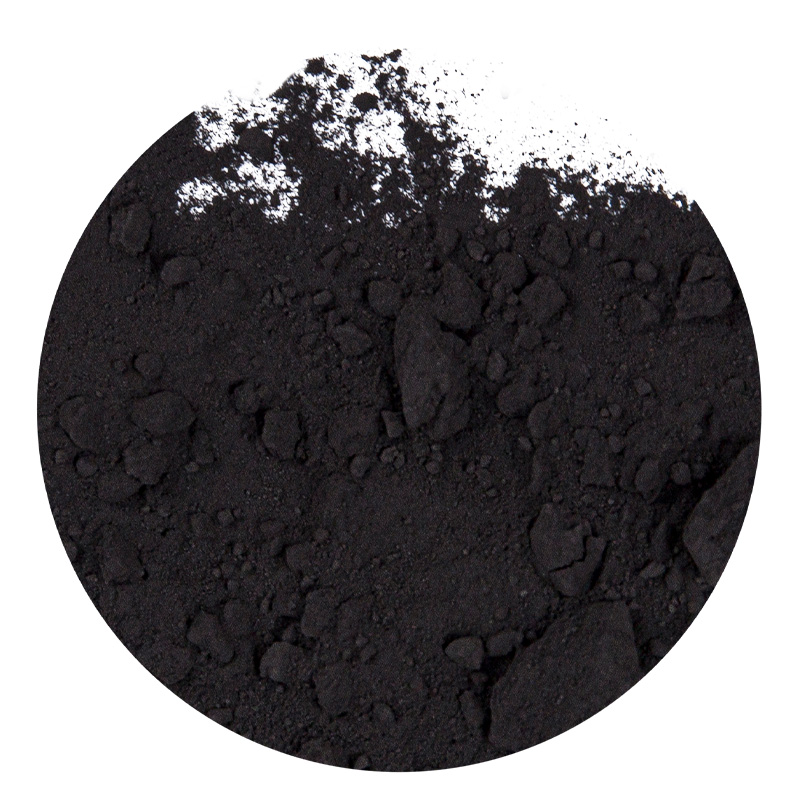
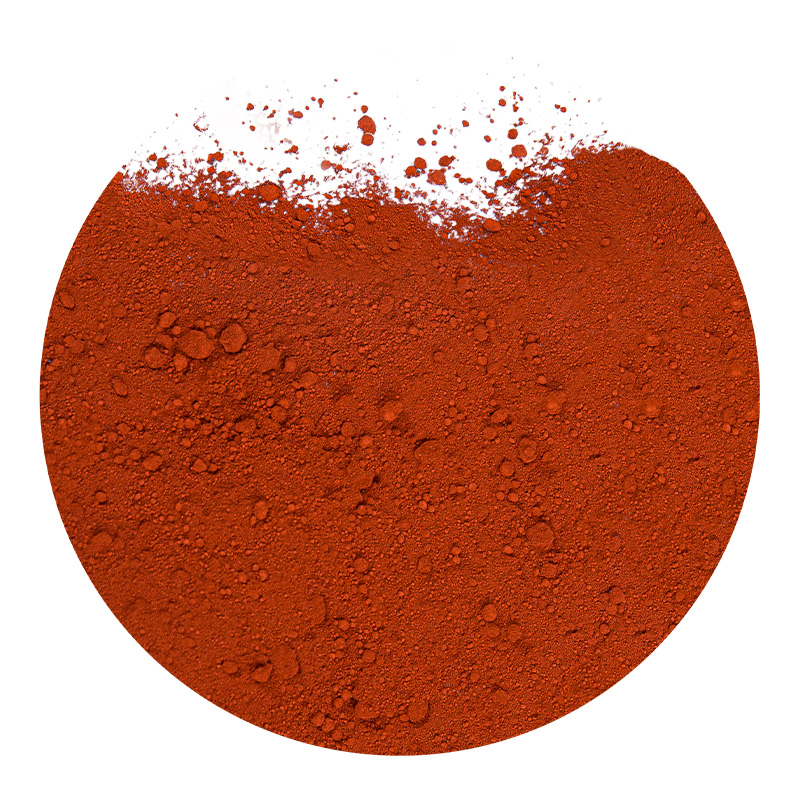
The pigment's coloring power comes from crystalline iron oxide particles, with red variants typically built around hematite (Fe2O3), yellow variants around goethite (FeOOH), and black variants around magnetite (Fe3O4). Particle shape and crystal structure influence tinting strength, oil absorption, and how the powder disperses into a binder or matrix.
Natural vs Synthetic Iron Oxide
Natural iron oxide is mined and processed from mineral deposits, which can introduce variability in shade and purity between batches. Synthetic iron oxide is produced through controlled chemical reactions, offering more consistent particle size and color repeatability, which is generally preferred in applications where batch-to-batch color matching matters.
How Iron Oxide Powder Is Manufactured
Production of industrial-grade iron oxide powder follows a sequence of controlled steps designed to achieve consistent particle size, color strength, and purity.
Raw Material Selection
Iron-bearing compounds are selected and screened for purity, since trace impurities can shift the final color shade or reduce tinting strength.
Chemical Synthesis or Processing
Depending on the target grade, the material undergoes precipitation or calcination, converting raw compounds into the desired crystalline iron oxide structure.
Grinding and Classification
The resulting material is milled and classified by particle size, with micronized grades produced for applications requiring finer dispersion.
Quality Inspection and Color Testing
Batches are tested for particle size distribution, color consistency, and tinting strength before being approved for shipment.
Types of Iron Oxide Powder
Industrial iron oxide pigments are grouped by color family, each built on a different underlying crystal structure and each suited to slightly different formulation needs.
| Type | Base Compound | Typical Use |
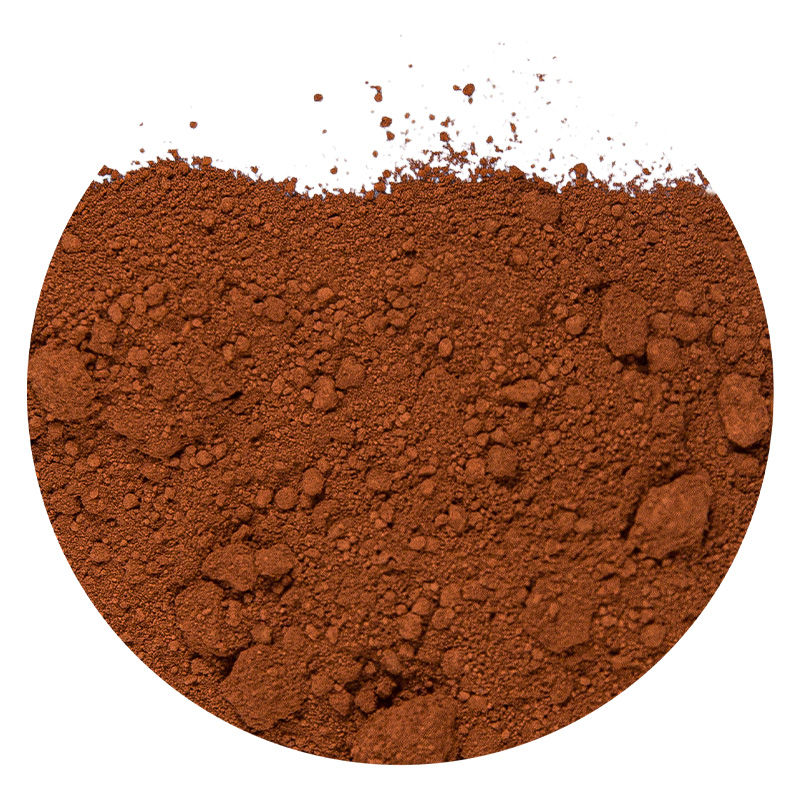
| Red iron oxide | Fe2O3 (hematite) | Concrete, roofing, coatings |
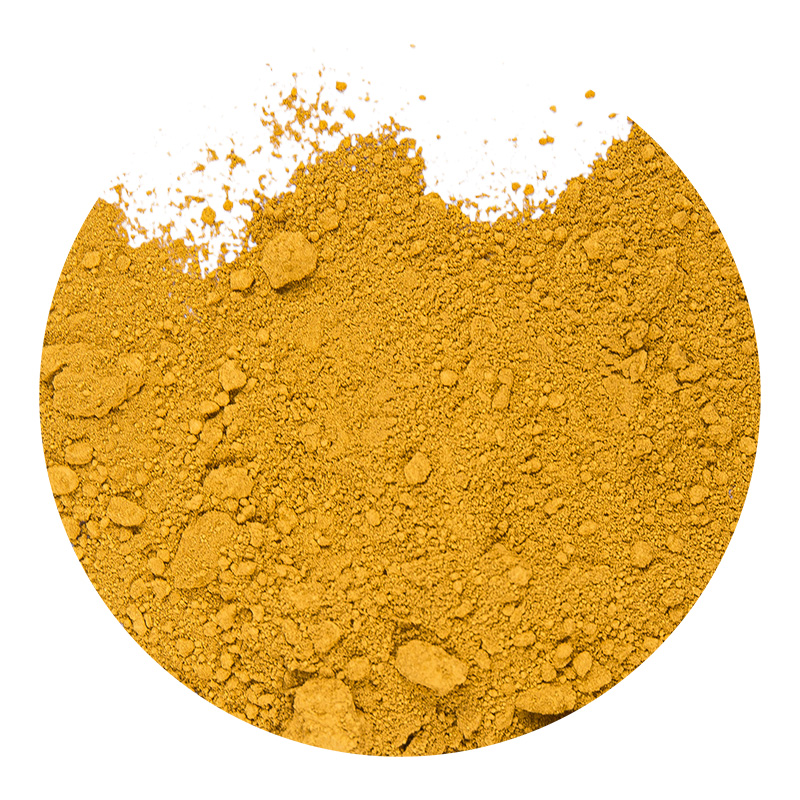
| Yellow iron oxide | FeOOH (goethite) | Paints, plastics, ceramics |
| Black iron oxide | Fe3O4 (magnetite) | Asphalt, rubber, masterbatch |
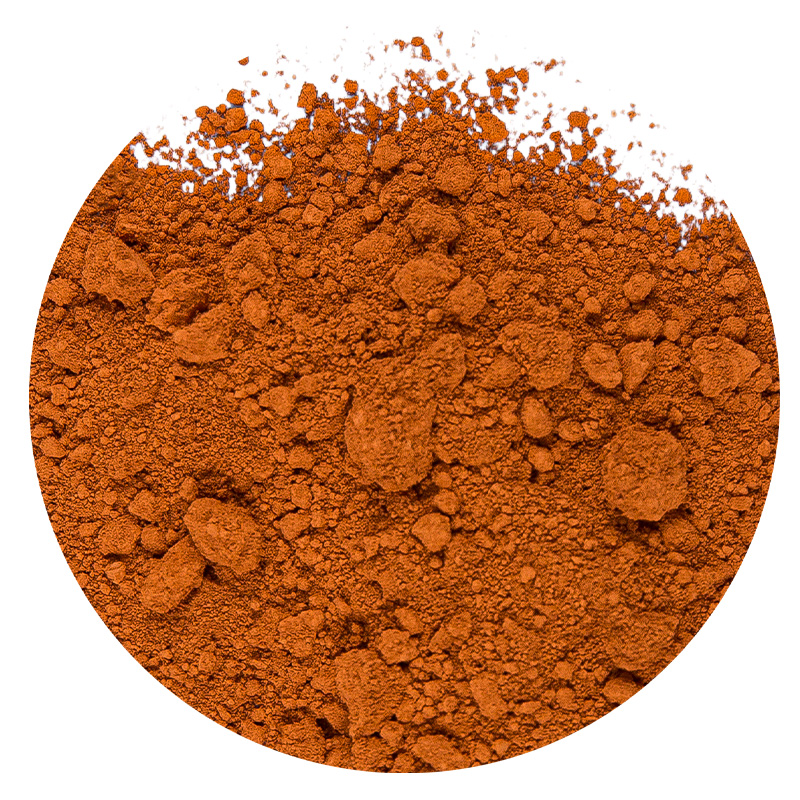
| Brown / custom blends | Mixed oxide ratios | Architectural products, specialty coatings |
Key Performance Properties to Evaluate
Beyond color, several measurable properties determine whether a given iron oxide grade will perform well in a specific application.
Color Consistency and Tinting Strength
Determines how much pigment is needed to achieve a target shade and how uniform that shade remains across production batches.
Weather Resistance and UV Stability
Affects how well color holds up under prolonged sunlight exposure, which matters most for outdoor construction and coating applications.
Chemical Stability and Corrosion Resistance
Governs how the pigment behaves in alkaline environments such as cement, or in contact with solvents used in coatings and plastics.
Particle Size and Dispersion
Finer, well-classified particles disperse more evenly into a matrix, reducing streaking and improving surface finish.
Heat Resistance and Durability
Relevant for applications such as rubber compounding or ceramic glazing, where the pigment is exposed to elevated processing temperatures.
Applications of Iron Oxide Powder Across Industries
Because of its stability and coloring efficiency, iron oxide powder is formulated into a wide range of industrial materials.
Construction Materials
Used to color concrete, cement products, and paving blocks, providing consistent shade across large-volume pours.
Paints and Coatings
Provides opacity and weather-resistant color in protective and decorative coating systems.
Plastics and Polymers
Incorporated into color masterbatch formulations for consistent pigmentation across polymer products.
Rubber Products
Colors rubber compounds while maintaining stability through the vulcanization process.
Ceramics and Building Materials
Used in brick and roof tile production for consistent, fade-resistant coloring.
Asphalt and Road Construction
Applied in colored asphalt and road marking systems where durability under traffic and weather is required.
Iron Oxide Powder Compared with Other Industrial Pigments
Choosing between iron oxide and alternative pigment types depends on the balance of cost, opacity, and performance an application requires.
Iron Oxide Powder
Inorganic, mineral-based coloring with strong resistance to heat and UV exposure, and stable performance in alkaline environments such as cement.
Organic Pigments
Carbon-based coloring that can offer brighter, more saturated shades, but with comparatively lower resistance to prolonged UV and heat exposure.
Iron Oxide Powder
Delivers color and moderate opacity at a lower cost per unit of coverage, particularly in colored rather than pure white applications.
Titanium Dioxide
Provides high opacity and brightness, primarily used for whiteness and hiding power rather than for color tinting.
How to Choose the Right Iron Oxide Powder
Selecting a suitable grade comes down to matching pigment characteristics with the demands of the intended application.
Common Selection Mistakes to Avoid
- Choosing a grade based on price alone without checking particle size compatibility with the processing equipment.
- Overlooking chemical compatibility with alkaline matrices such as cement, which can affect long-term color stability.
- Assuming natural and synthetic iron oxide are interchangeable without accounting for batch-to-batch variability.
Future Trends in Industrial Iron Oxide Pigments
Demand for inorganic pigments continues to shift alongside broader material and construction trends.
- Growing interest in environmentally stable inorganic pigments as an alternative to certain organic colorants.
- Expansion of high-performance construction materials that rely on consistent, weather-resistant coloring.
- Increasing use of iron oxide in advanced coatings and polymer applications requiring fine particle dispersion.
- Rising demand for customized color shades and particle size distributions tailored to specific production lines.
Conclusion
Choosing the right iron oxide powder requires weighing color consistency, particle size, chemical stability, and weather resistance against the specific demands of the application, whether that is concrete, coatings, plastics, or rubber. Matching these properties carefully at the selection stage helps ensure stable, long-lasting color performance across the finished product.
Frequently Asked Questions
What is the difference between natural and synthetic iron oxide powder?
Natural iron oxide is mined from mineral deposits and can vary in shade between batches, while synthetic iron oxide is produced through controlled chemical processes, offering more consistent particle size and color repeatability.
Which iron oxide color is used most often in concrete?
Red iron oxide is the most commonly used shade in concrete and paving applications, though yellow and black grades are also used for architectural color variation.
Does iron oxide powder resist fading outdoors?
Iron oxide is generally resistant to UV-driven fading compared with many organic pigments, which is why it is widely used in outdoor construction and coating applications.
Can iron oxide powder be customized for a specific shade?
Yes, manufacturers can blend red, yellow, and black iron oxide in different ratios to produce custom brown, orange, or other intermediate shades.