English
 عربى
عربى русский
 Español
Iron Oxide Powder vs Other Pigments: Key Differences Explained
Content
Selecting the right colorant for concrete, coatings, or plastics comes down to one question: which pigment holds its color longest under real-world stress. Iron Oxide Powder has earned its place as a go-to inorganic pigment because it resists sunlight, alkali, and temperature swings far better than many alternatives, while staying priced for high-volume production.
01What Sets Iron Oxide Powder Apart
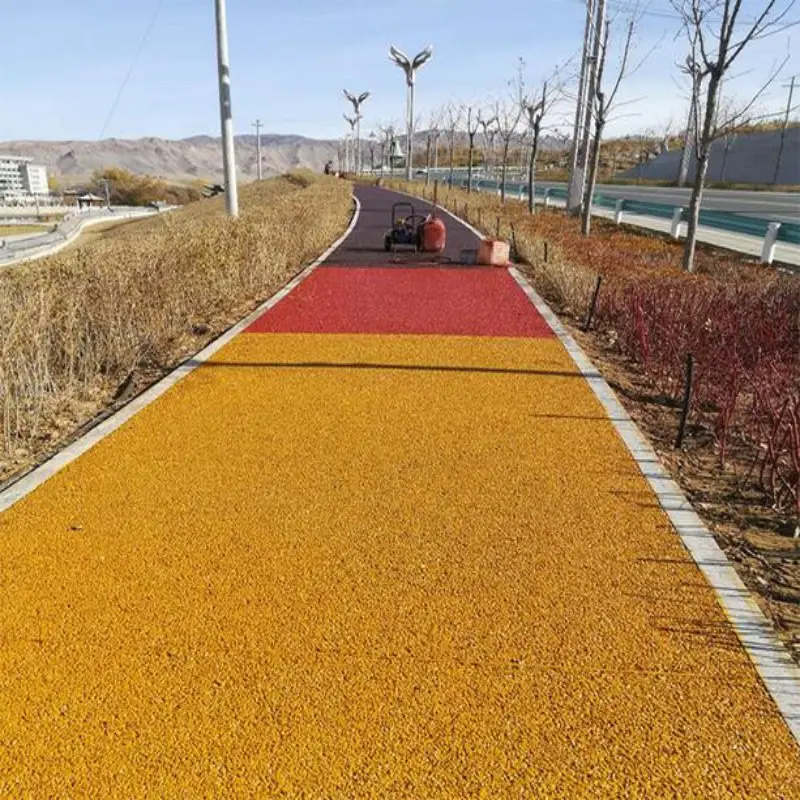
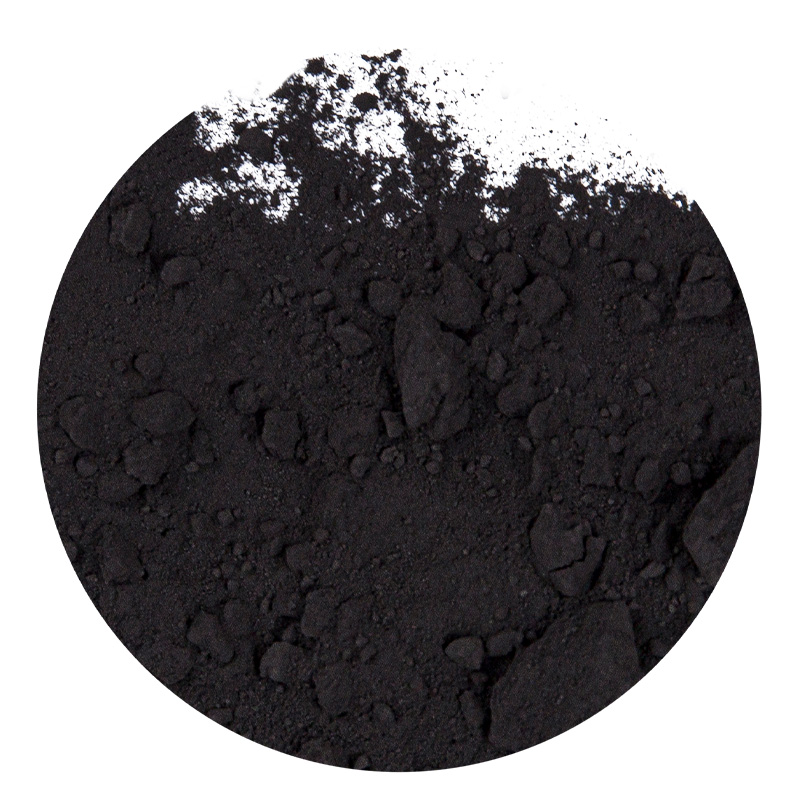
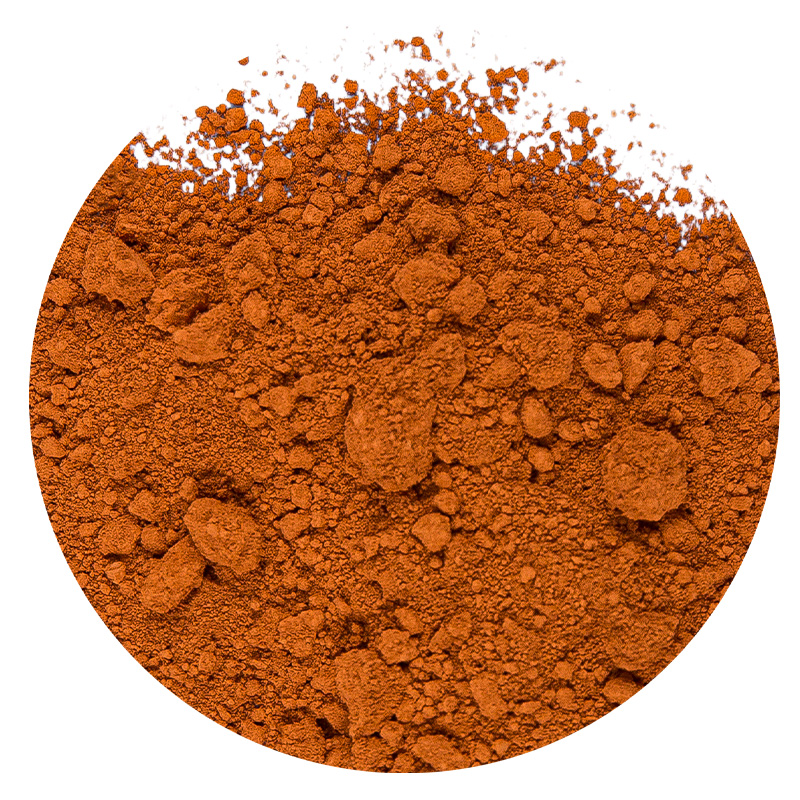
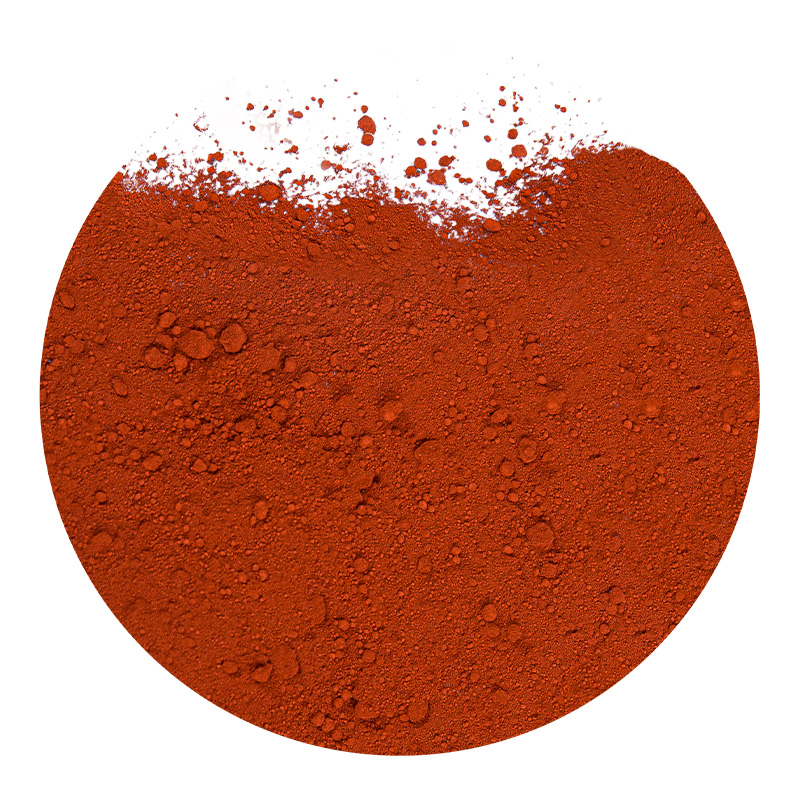
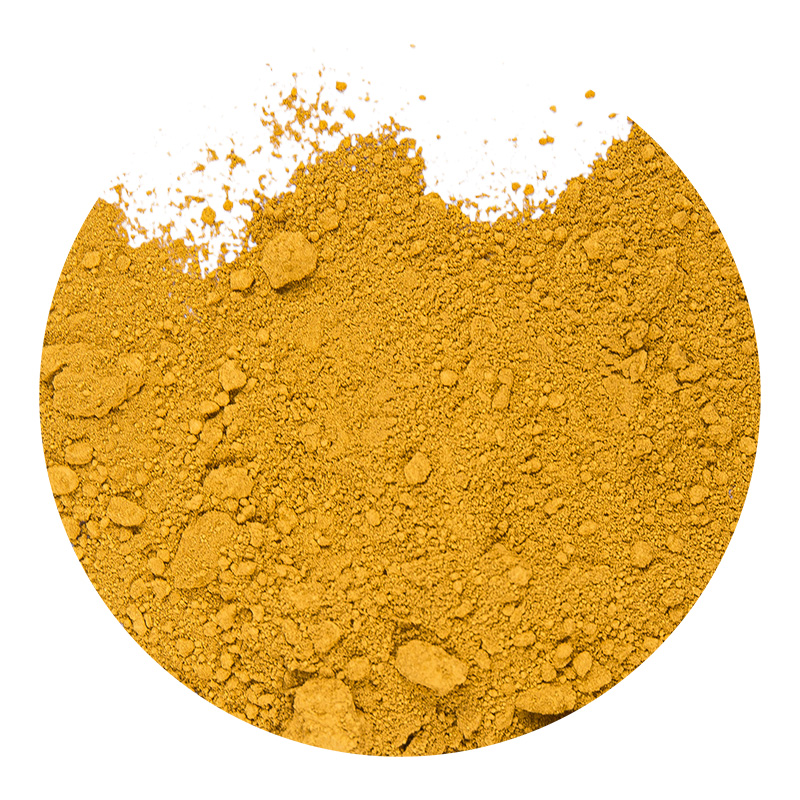
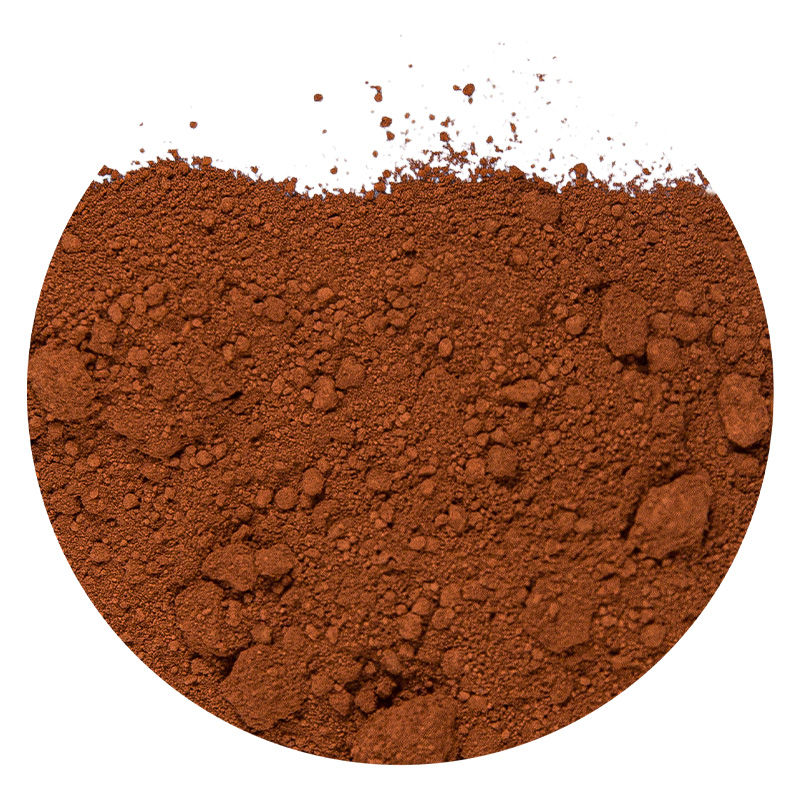
Iron oxide powder is a mineral-based pigment available in red, yellow, black, brown, and orange shades. Its molecular structure is chemically stable under UV exposure and alkaline conditions, which is why it dominates cement, paving block, roof tile, and architectural coating production. Independent weathering panels routinely show under 3 percent color shift after five years of outdoor exposure, a benchmark few organic colorants can match.
02Iron Oxide Powder vs Organic Pigments
Organic pigments deliver punchier, more saturated shades and are common in printing inks and decorative coatings. What they trade away is weather resistance: many organic colorants fade or chalk within two to three years of direct sun exposure, especially in warm climates.
Mineral Pigment
- Chemically stable in alkaline cement
- Very high UV and heat resistance
- Lower raw material cost
- Moderate color brightness
Organic Pigment
- Brighter, more vivid shades
- Wider available color range
- Variable weather performance
- Higher unit cost
03Iron Oxide vs Titanium Dioxide and Carbon Black
Titanium dioxide is the industry standard for whitening and opacity, while carbon black delivers deep black tone and reinforcement in rubber compounds. Neither replaces iron oxide for red, yellow, or brown tones, and formulators frequently blend all three to hit a target shade.
| Pigment | Primary Role | Best Fit |
| Iron Oxide Powder | Color (red, yellow, black, brown) | Concrete, coatings, plastics, ceramics |
| Titanium Dioxide | Whitening and opacity | Paints, plastics, paper |
| Carbon Black | Deep black, reinforcement | Tires, rubber, black plastics |
04Where Iron Oxide Powder Wins on Durability
For anything installed outdoors, alkali and UV resistance matter more than initial brightness. Iron oxide powder holds its position at the top of that list alongside titanium dioxide, while ultramarine and many organic pigments fall behind once alkali exposure enters the picture. This is the deciding factor for concrete producers, paving manufacturers, and coating formulators who cannot afford re-application cycles.
A pigment is only as good as its worst day outdoors: five years of sun, rain, and cement alkalinity is the real test, not the color swatch on day one.
05How to Choose the Right Pigment
- 1
Application environment — outdoor products need UV and alkali resistance first.
- 2
Color requirements — match required intensity against available shade range.
- 3
Material compatibility — confirm performance in cement, plastic, rubber, or ceramic bodies.
- 4
Budget at volume — mineral pigments scale more affordably for high-tonnage production.
Frequently Asked Questions
Is iron oxide powder safe for use in cement and concrete?
Yes. Iron oxide powder is chemically inert in alkaline cement environments, which is precisely why it remains the standard colorant for concrete pavers, roof tiles, and precast products.
Can iron oxide powder match the brightness of organic pigments?
Not fully. Organic pigments generally reach brighter, more saturated shades, but iron oxide compensates with far superior long-term weather stability and lower cost per ton.
Should titanium dioxide and iron oxide be used together?
Frequently, yes. Titanium dioxide handles opacity and whitening while iron oxide supplies the red, yellow, brown, or black tone, and combining them is standard practice in coating and plastics formulation.
What determines the price difference between pigment types?
Raw material sourcing, production complexity, and brightness level drive cost. Mineral pigments like iron oxide are mined and processed at scale, keeping unit cost well below many synthetic organic colorants.
Across construction, coatings, plastics, and ceramics, Iron Oxide Powder remains the most balanced choice when a project needs durability, chemical stability, and cost control at the same time — with titanium dioxide, carbon black, and organic pigments filling in for the roles iron oxide was never designed to play.