English
 عربى
عربى русский
 Español
How Is Iron Oxide Powder Used in Construction Material Manufacturing?
Content
- 1 What Is Iron Oxide Powder and Why Does It Matter?
- 2 Where Iron Oxide Powder Is Used in Construction Manufacturing
- 3 Key Performance Benefits
- 4 How the Pigment Gets Added During Manufacturing
- 5 Choosing the Right Grade for a Project
- 6 Iron Oxide Powder vs Other Construction Pigments
- 7 Frequently Asked Questions
In construction material manufacturing, iron oxide powder is the pigment engineers reach for when color has to survive decades of sun, rain, and abrasion. Unlike organic dyes that fade within a few seasons, this inorganic compound locks color into concrete, cement, brick, and coatings at the molecular level, which is why nearly every colored paver, roof tile, and precast panel on the market traces back to it.
What Is Iron Oxide Powder and Why Does It Matter?
Iron oxide powder is a synthetic or natural inorganic pigment made from iron oxide compounds, prized in building materials for chemical stability, high tinting strength, and resistance to UV degradation. A one-line way to define it: it is a heat-stable, weather-resistant colorant that disperses evenly through cement-based mixes without breaking down under alkaline conditions.
- Chemical stabilityResists reaction with lime and alkaline compounds in cement
- High coloring strengthSmall dosages produce strong, consistent hues
- UV and weather resistanceMaintains color through decades of outdoor exposure
- Heat stabilityWithstands kiln and curing temperatures without shifting shade
| Pigment Type | Typical Construction Use |
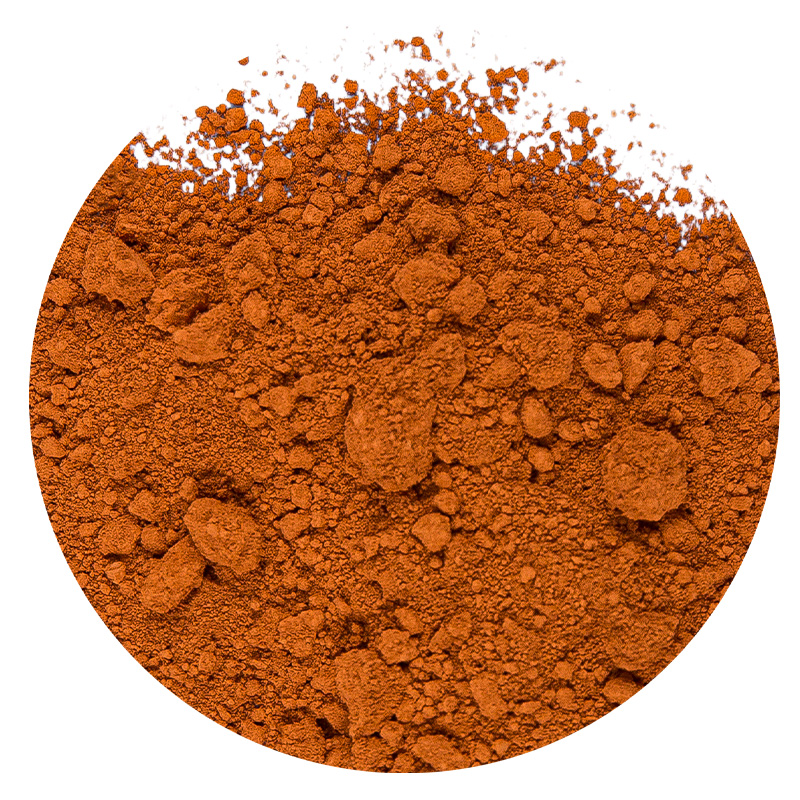
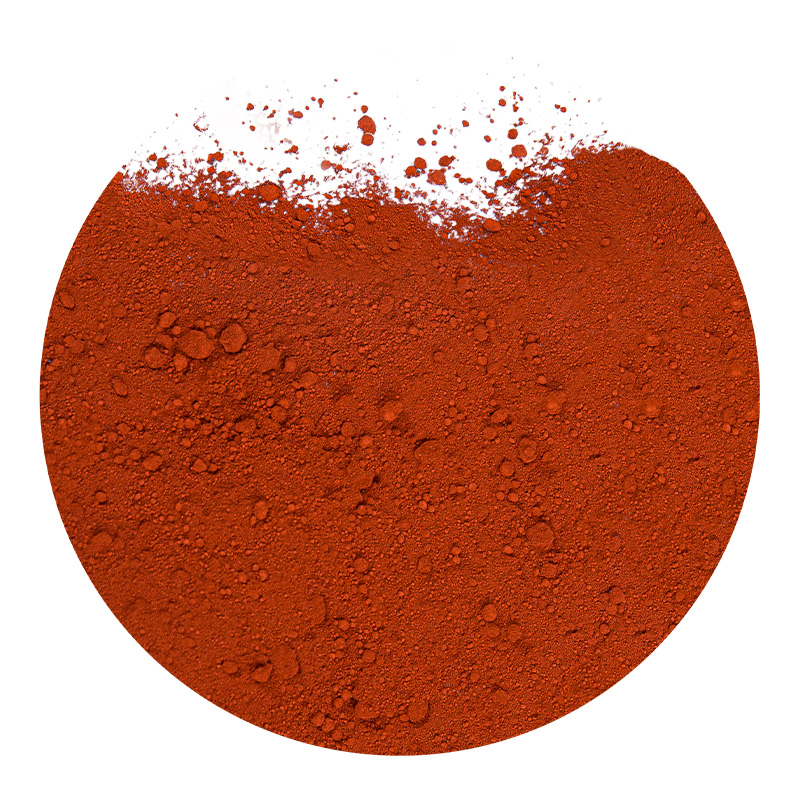
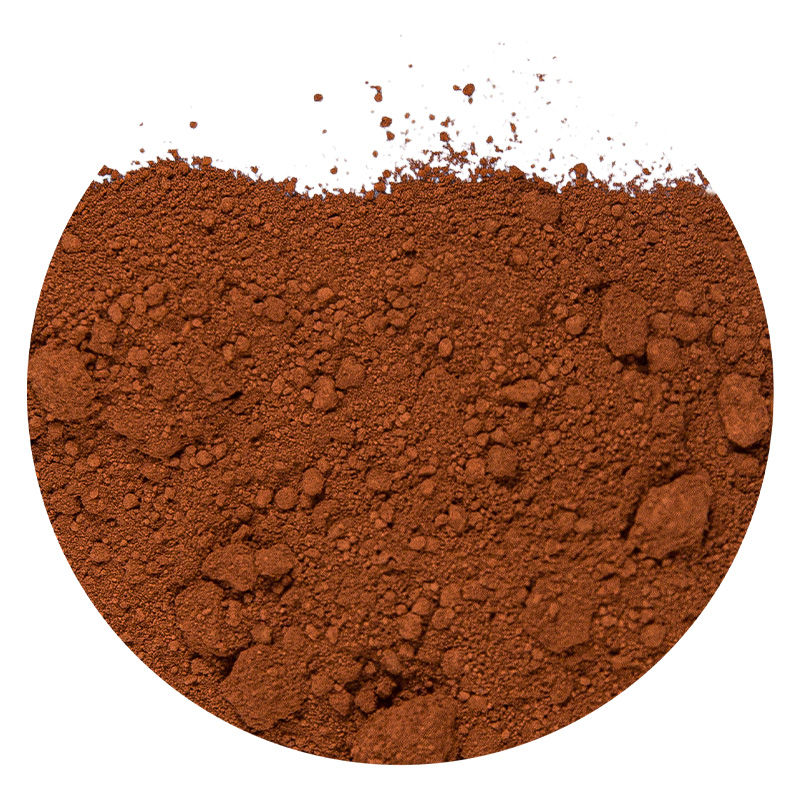
| Red iron oxide | Bricks, concrete, roofing materials |
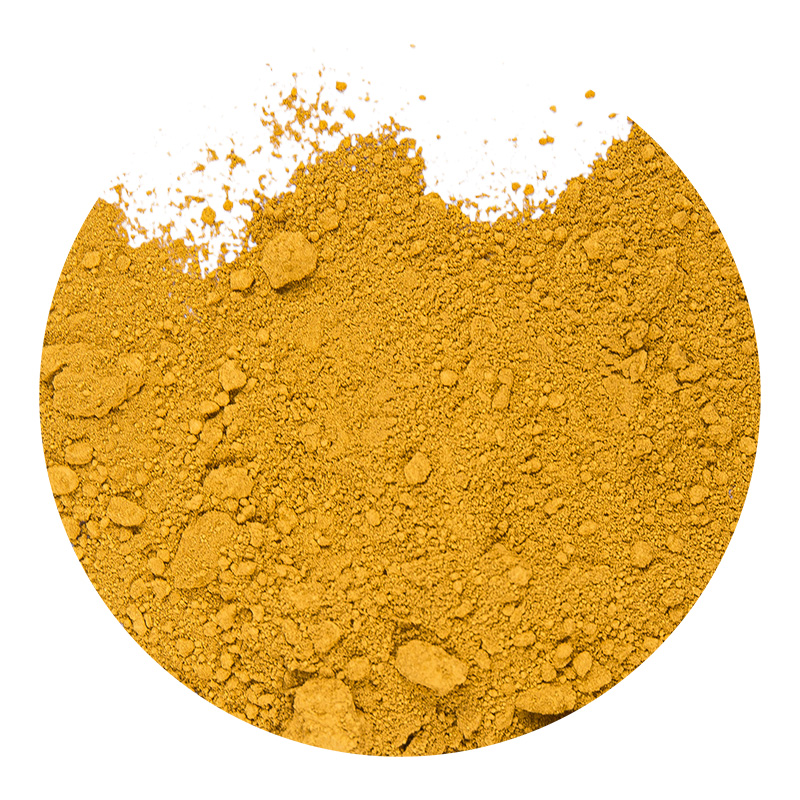
| Yellow iron oxide | Decorative concrete, protective coatings |
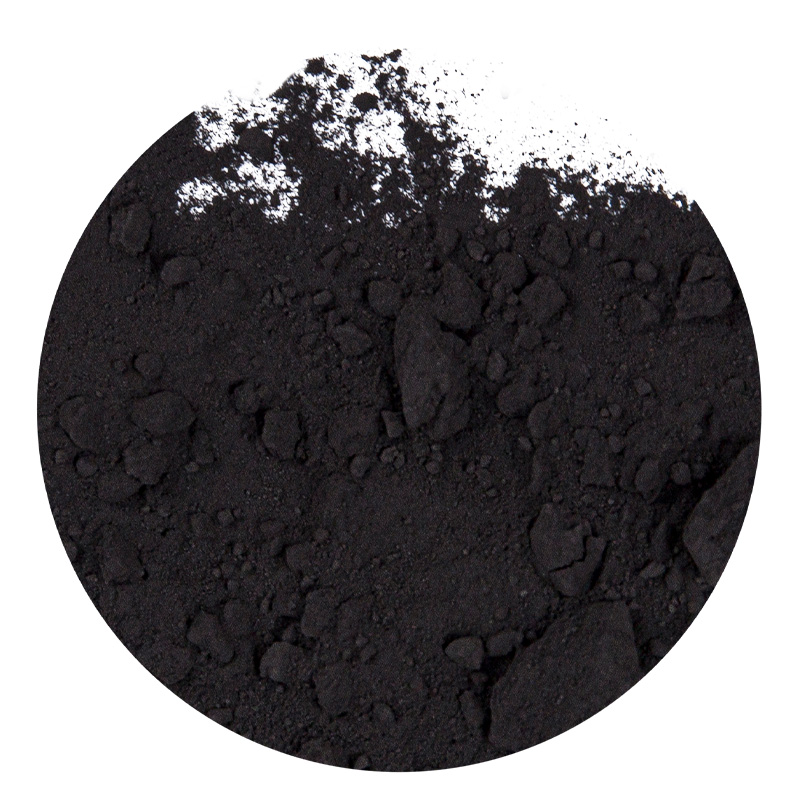
| Black iron oxide | Cement products, asphalt materials |
Where Iron Oxide Powder Is Used in Construction Manufacturing
Manufacturers rely on iron oxide powder across four major product categories, each with different mixing and dosage requirements.
Concrete Manufacturing
In decorative concrete, precast components, concrete blocks, and paving stones, the pigment is dosed at 1 to 6 percent of cement weight to achieve stable, uniform coloring that resists chalking under sunlight.
Cement-Based Products
Cement tiles, cement boards, and architectural cement products use the same pigment family to achieve consistent batch-to-batch color matching, which is critical when a project spans thousands of units.
Brick and Roof Tile Production
Because bricks and tiles are fired at high temperatures, the pigment must hold its shade through the kiln process, and iron oxide grades are formulated specifically to survive that thermal load.
Construction Coatings and Finishes
Wall coatings, protective coatings, and architectural finishes use finer pigment grades for smooth dispersion and a matte, non-metallic color finish.
Key Performance Benefits
These four properties are why iron oxide powder remains the default pigment choice for exterior construction materials rather than organic alternatives, which tend to shift color under prolonged UV exposure.
How the Pigment Gets Added During Manufacturing
- Dosage calculationPigment percentage is set relative to cement weight, typically 1 to 6 percent
- Dry or wet mixingPowder is blended with cement and aggregates before water is introduced
- Dispersion checkBatches are inspected for streaking or uneven color distribution
- Quality control testingSamples are compared against reference color standards before shipment
A stable inorganic pigment does not just color a material once. It has to survive mixing, curing, weathering, and cleaning cycles without shifting hue, which is the real test of manufacturing-grade quality.
Choosing the Right Grade for a Project
Buyers evaluating suppliers should compare four factors: color consistency across batches, particle size and dispersion performance, chemical stability in alkaline mixes, and compatibility with the specific concrete additive or cement formulation being used.
Iron Oxide Powder vs Other Construction Pigments
| Factor | Iron Oxide Powder | Organic Pigments |
| Weather resistance | High | Medium |
| UV stability | Excellent | Variable |
| Cost efficiency | High | Application dependent |
| Construction suitability | Excellent | Limited |
Frequently Asked Questions
What is iron oxide pigment used for?
It is used to add permanent, weather-stable color to concrete, cement products, bricks, roof tiles, and construction coatings.
Why is iron oxide pigment used in concrete instead of dyes?
Because it resists the alkaline environment of curing cement and does not fade under UV exposure the way organic dyes do.
How much iron oxide powder is added to concrete?
Typical dosage ranges from 1 to 6 percent of cement weight, depending on the target shade intensity.
Is iron oxide powder safe for large-scale construction use?
Yes, it is classified as an inorganic pigment and is widely approved for use in cement, concrete, and coating manufacturing.