English
 عربى
عربى русский
 Español
Green Iron Oxide Pigment: Properties, Uses, and Safety
Content
- 1 Introduction to Green Iron Oxide Pigment
- 2 What is Green Iron Oxide?
- 3 Properties of Green Iron Oxide
- 4 Technical Parameter Comparison
- 5 Uses and Applications of Green Iron Oxide
- 6 Benefits of Using Green Iron Oxide
- 7 Green Iron Oxide vs. Other Green Pigments
- 8 Safety and Handling of Green Iron Oxide
- 9 Sourcing and Purchasing Green Iron Oxide
- 10 Potential Problems and Solutions
- 11 Future Trends in Green Iron Oxide Pigment
- 12 Conclusion
- 13 Safety and Handling of Green Iron Oxide Pigment
- 14 Sourcing and Purchasing Green Iron Oxide
- 15 Potential Problems and Solutions
- 16 Future Trends in Green Iron Oxide Pigment
- 17 Conclusion
- 18 Safety and Handling of Green Iron Oxide Pigment
- 19 Sourcing and Purchasing Green Iron Oxide
- 20 Potential Problems and Solutions
Introduction to Green Iron Oxide Pigment
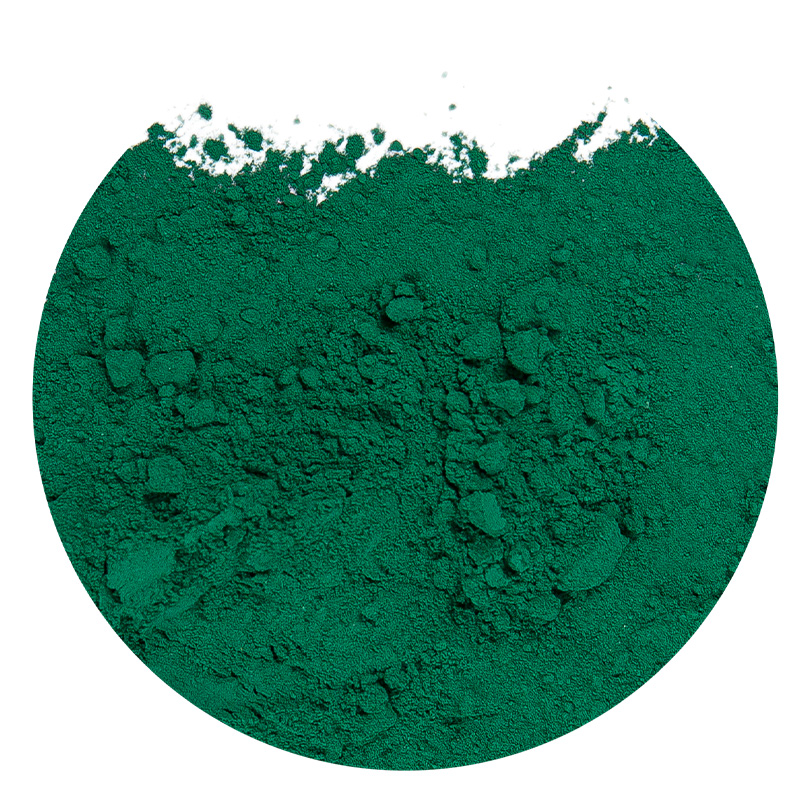
Green iron oxide pigment is a versatile inorganic colorant widely recognized for its stability and aesthetic appeal. While pure iron oxide is typically red, yellow, or black, green variations are often achieved through high-precision blending or complex composite processes. This guide explores the technical foundations and industrial significance of this essential pigment.
What is Green Iron Oxide?
Chemical Composition and Structure
Green iron oxide is primarily a composite pigment. In most industrial applications, it is a high-quality blend of Iron Oxide Yellow (FeOOH) and Phthalocyanine Blue, or it may exist as a specialized compound. The chemical structure is designed to leverage the opacity of the iron oxide base while achieving the desired green hue through organic or inorganic additives.
Demei focuses on the research, development, and production of inorganic iron oxide pigments. Our pigments cover iron oxide red, yellow, black, brown, green, orange, blue, etc. We produce high-performance and high-stability composite iron oxide pigments with three series: standard, micronized, and low heavy metal content levels.
How It's Made: Manufacturing Processes
The production of green iron oxide involves two primary chemical pathways to ensure color consistency and particle integrity:
- Precipitation Process: This involves the controlled reaction of iron salts with alkaline solutions. By managing pH, temperature, and aeration, fine particles of iron oxide yellow are formed, which are then precisely mixed with blue pigments in a high-shear environment to create a homogenous green.
- Thermal Decomposition (Calcination): In this method, iron precursors are heated to high temperatures. While more common for reds, specific thermal treatments are used to stabilize the composite structure of green pigments, ensuring they do not separate during application.
Different Shades and Variations
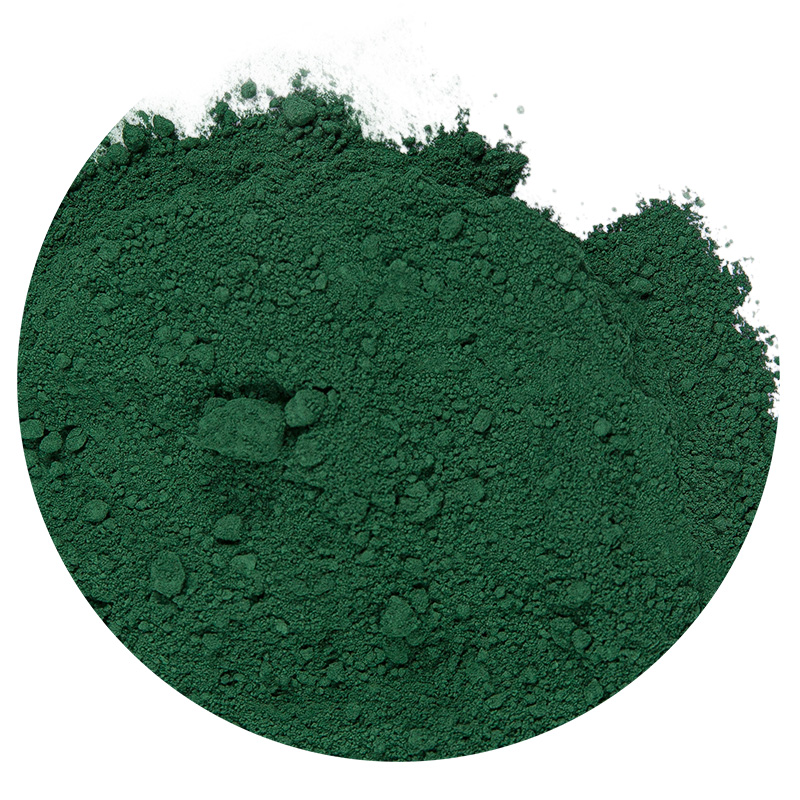
The spectrum of green iron oxide ranges from light yellowish-green to deep forest green. The variation is determined by the ratio of yellow iron oxide to the blue component and the specific particle size of the base iron oxide.
Properties of Green Iron Oxide
Color and Tinting Strength
Green iron oxide is characterized by its high tinting strength and excellent hiding power. Even at low concentrations, it provides a vivid, opaque color that masks the substrate effectively.
Lightfastness and Weather Resistance
One of the hallmark features of inorganic pigments is their superior lightfastness. Green iron oxide does not degrade or fade easily when exposed to intense UV radiation or harsh weather conditions, making it ideal for outdoor construction and coatings.
Chemical Stability
These pigments are chemically inert. They maintain stability across a wide pH range (typically pH 3 to 11) and do not react with binders, solvents, or other chemical additives in most formulations. This makes them compatible with cement-based alkaline environments.
Particle Size and Morphology
The particle size usually falls within the 0.1 to 1.0 micron range. Smaller, micronized particles offer better dispersion and higher gloss in coatings, while standard grades are preferred for bulk construction materials.
Oil Absorption
Typically ranging between 25 and 35g/100g, the oil absorption rate influences how much binder is required in paint formulations. Lower oil absorption allows for higher pigment loading without compromising the viscosity of the final product.
Technical Parameter Comparison
Below is a comparison of standard properties across the three main grades of green iron oxide pigments:
| Property | Standard Grade | Micronized Grade | Low Heavy Metal Grade |
| Ferric Oxide Content (%) | ≥ 85% | ≥ 90% | ≥ 92% |
| Residue on 325 Mesh | ≤ 0.3% | ≤ 0.05% | ≤ 0.1% |
| pH Value | 5.0 - 8.0 | 6.0 - 8.0 | 6.5 - 7.5 |
| Oil Absorption | 25-35 | 20-30 | 25-30 |
| Heavy Metal Content | Standard | Standard | Ultra-Low (Food/Cosmetic Safe) |
Demei not only contributes to production and operation, but also faithfully fulfills its social responsibilities, protects the ecological environment, strengthens safe production, and cares for the health of employees.
Uses and Applications of Green Iron Oxide
Due to its high stability and vibrant color, green iron oxide pigment is utilized across a vast array of industrial and consumer sectors. Its inorganic nature ensures that the color remains consistent even under extreme processing conditions.
Paints and Coatings
- Industrial Coatings: Used in primers and topcoats for machinery and steel structures because of its excellent corrosion resistance and opacity.
- Automotive Paints: Applied in specialized automotive finishes where long-term UV stability is required to prevent chalking or fading.
- Artist Paints: Preferred by professionals for its earthy tone, non-toxicity, and ability to mix well with other oil or water-based mediums.
Construction Materials
This is one of the most common applications for green iron oxide. It is integrated directly into the mix to provide "built-in" color for:
- Concrete and Cement: Used for coloring driveways, sidewalks, and architectural facades.
- Bricks and Pavers: Enhances the aesthetic appeal of landscaping materials while maintaining resistance to efflorescence.
- Roofing Tiles: Provides a durable green hue that withstands constant exposure to rain and sunlight.
Plastics and Rubber
In the plastics industry, green iron oxide acts not only as a colorant but also as a functional additive. It helps in enhancing UV resistance, protecting the polymer chain from degradation. It is commonly found in plastic flooring, rubber tracks for playgrounds, and industrial plastic components.
Cosmetics and Personal Care
For high-purity grades, green iron oxide is a staple in the beauty industry. It is used in eye shadows, blushes, and foundations. Its safety profile makes it ideal for products used near the eyes and on sensitive skin.
Other Specialized Applications
- Inks and Toners: Used in glass inks and high-durability printing applications.
- Ceramics: Provides a stable green glaze that does not change color during high-temperature kiln firing.
- Paper: Used in the mass-pigmentation of decorative papers and laminates.
Benefits of Using Green Iron Oxide
Demei focuses on the research, development, and production of inorganic iron oxide pigments. Our pigments cover iron oxide red, yellow, black, brown, green, orange, blue, etc. We produce high-performance and high-stability composite iron oxide pigments with three series: standard, micronized, and low heavy metal content levels.
- Durability and Longevity: Unlike organic pigments, green iron oxide does not migrate or bleed, ensuring the finished product maintains its appearance for decades.
- Non-toxicity and Safety: It is generally considered safe for handling and is environmentally inert, posing minimal risk to aquatic life or soil.
- Cost-effectiveness: It offers high hiding power at a lower cost-per-ton compared to many synthetic organic green pigments.
- Environmental Friendliness: Being an inorganic earth-based pigment, it aligns with sustainable building practices.
Green Iron Oxide vs. Other Green Pigments
Choosing the right pigment depends on the specific requirements of the application, such as brightness versus durability. Below is a technical comparison:
| Feature | Green Iron Oxide | Chromium Oxide Green | Phthalo Green (Organic) |
| Color Brightness | Moderate/Muted | High/Vivid | Very High/Electric |
| Heat Stability | Up to 200°C | Up to 1000°C | Up to 250°C |
| Chemical Resistance | Excellent | Outstanding | Good |
| Cost | Economic | Expensive | Moderate/High |
| Hiding Power | Very High | High | Transparent/Moderate |
Demei not only contributes to production and operation, but also faithfully fulfills its social responsibilities, protects the ecological environment, strengthens safe production, and cares for the health of employees.
Safety and Handling of Green Iron Oxide
While green iron oxide pigment is widely regarded as a safe and stable substance, proper industrial hygiene and handling protocols are essential to ensure a healthy working environment and product integrity.
Toxicity and Health Concerns
Inorganic iron oxides are generally classified as non-hazardous. They are non-flammable, non-explosive, and non-corrosive. However, like any fine powder, the primary concern is the mechanical irritation of the respiratory system or eyes upon direct exposure.
Safe Handling Practices
- Personal Protective Equipment (PPE): Operators should wear dust masks (N95 or equivalent), safety goggles, and gloves to prevent inhalation and skin contact.
- Ventilation: Use local exhaust ventilation or dust collection systems in areas where bags are opened or where mixing occurs to maintain air quality below occupational exposure limits.
- Storage: Store in a cool, dry, and well-ventilated warehouse. Keep containers tightly sealed to prevent moisture absorption, which can lead to clumping or "caking."
Regulatory Information
High-quality pigments must comply with global standards such as REACH (Registration, Evaluation, Authorisation and Restriction of Chemicals) in Europe. For applications involving sensitive contact, such as cosmetics or food packaging, pigments must meet specific FDA or equivalent local purity requirements regarding heavy metal limits.
Sourcing and Purchasing Green Iron Oxide
Demei focuses on the research, development, and production of inorganic iron oxide pigments. Our pigments cover iron oxide red, yellow, black, brown, green, orange, blue, etc. We produce high-performance and high-stability composite iron oxide pigments with three series: standard, micronized, and low heavy metal content levels.
Factors to Consider When Choosing a Supplier
- Batch-to-Batch Consistency: Ensure the supplier has rigorous color matching and quality control (QC) labs.
- Technical Support: A good partner should provide guidance on dispersion techniques and formulation compatibility.
- Certifications: Verify ISO 9001 quality management and ISO 14001 environmental management certifications.
Available Grades and Specifications
| Grade Name | Primary Characteristic | Best For |
| Standard Series | High opacity, cost-efficient | Concrete, bricks, pavers |
| Micronized Series | Particle size < 10μm, easy dispersion | High-end paints, plastics |
| Low Heavy Metal | High purity, ultra-safe | Cosmetics, sensitive packaging |
Potential Problems and Solutions
Color Consistency Issues
Inconsistent color between batches is often caused by variations in the raw material base. Solution: Implement strict "Delta E" (ΔE) color space testing using spectrophotometers to ensure the color deviation remains within a narrow, acceptable range.
Dispersion Challenges
In high-viscosity systems, pigments may aggregate, leading to streaks or spots. Solution: Utilize micronized pigments or incorporate wetting and dispersing agents to reduce surface tension and ensure a homogenous mix.
Fading or Color Change
While iron oxides are stable, improper blending with low-quality organic blues in a green composite can lead to "blue-fading." Solution: Use high-stability composite pigments where the components are specifically engineered to weather at the same rate.
Future Trends in Green Iron Oxide Pigment
Sustainable Production Methods
The industry is moving toward "Green Chemistry." This includes recycling waste heat during calcination and using closed-loop water systems to minimize the environmental footprint of pigment synthesis.
Nanotechnology and Enhanced Properties
Research into nano-scale iron oxides is opening doors for transparent green coatings that offer UV protection without hiding the texture of the underlying substrate (e.g., high-end wood finishes).
Expanded Social Responsibility
Demei not only contributes to production and operation, but also faithfully fulfills its social responsibilities, protects the ecological environment, strengthens safe production, and cares for the health of employees.
Conclusion
Green iron oxide remains a cornerstone of the pigment industry due to its unmatched durability, safety, and cost-effectiveness. Whether it is used to color a city sidewalk or a delicate cosmetic product, its chemical stability ensures lasting beauty. Choosing a high-quality, high-stability pigment is essential for maintaining the integrity of the final application and meeting modern regulatory standards.
Safety and Handling of Green Iron Oxide Pigment
In industrial environments, maintaining safety standards is paramount when working with green iron oxide pigment. While inorganic pigments are generally stable and pose low risks compared to organic alternatives, specific handling protocols ensure both worker safety and material purity.
Toxicity and Health Considerations
Green iron oxide is classified as a non-toxic substance. It is not listed as a carcinogen and does not pose acute toxicity risks under normal handling conditions. However, the fine powder nature of the pigment requires attention to respiratory health.
- Inhalation: Prolonged exposure to high concentrations of dust may cause mechanical irritation to the respiratory tract.
- Skin and Eye Contact: May cause mild abrasive irritation. Standard hygiene practices effectively mitigate these risks.
Safe Handling Practices
To ensure a safe workspace, the following measures are recommended:
- Engineering Controls: Use local exhaust ventilation and dust collection systems at the point of bag opening and mixing.
- Personal Protective Equipment (PPE): Workers should wear N95 dust masks, safety goggles, and protective gloves.
- Storage Conditions: Store in a dry, cool area. Ensure bags are kept sealed to prevent moisture absorption, which can affect the pigment's dispersion properties.
Regulatory Compliance
High-quality green iron oxides must adhere to international safety standards. This includes compliance with REACH regulations for chemical safety and FDA requirements for pigments used in cosmetic or food-contact packaging applications.
Sourcing and Purchasing Green Iron Oxide
Selecting the right pigment involves evaluating technical specifications against the specific needs of the end-use application.
Demei focuses on the research, development, and production of inorganic iron oxide pigments. Our pigments cover iron oxide red, yellow, black, brown, green, orange, blue, etc. We produce high-performance and high-stability composite iron oxide pigments with three series: standard, micronized, and low heavy metal content levels.
Factors to Consider When Choosing a Supplier
- Color Consistency: A supplier should provide a narrow Delta E (ΔE) tolerance to ensure batch-to-batch uniformity.
- Technical Support: Look for suppliers who offer guidance on formulation compatibility and optimal loading levels.
- Environmental Commitment: Partner with manufacturers that prioritize sustainable production and waste reduction.
Available Grades and Specifications
| Grade Type | Key Feature | Typical Application |
| Standard Series | High opacity, cost-effective | Concrete, bricks, pavers |
| Micronized Series | Ultra-fine particles, easy dispersion | High-gloss paints, thin films |
| Low Heavy Metal | High purity, strictly controlled | Cosmetics, pharmaceutical packaging |
Potential Problems and Solutions
Color Consistency and Fading
If a green iron oxide is not properly stabilized, it may show slight color shifts over time. Solution: Use composite pigments where the blue and yellow components are chemically bonded or surface-treated to prevent separation.
Dispersion Challenges
Poor dispersion leads to "streaking" or poor color development. Solution: Utilize micronized grades or incorporate specialized wetting agents in the pre-mixing stage to break down agglomerates.
Future Trends in Green Iron Oxide Pigment
Sustainable Production Methods
The industry is shifting toward "Green Manufacturing" processes. This includes utilizing waste heat from production cycles and implementing advanced water filtration systems to recycle process water.
Demei not only contributes to production and operation, but also faithfully fulfills its social responsibilities, protects the ecological environment, strengthens safe production, and cares for the health of employees.
Nanotechnology and Enhanced Properties
Research into nanostructured iron oxides is enabling the creation of pigments with enhanced UV-blocking capabilities and increased transparency for specialized wood stains and automotive clear coats.
Conclusion
Green iron oxide pigment remains an indispensable tool in the modern industrial palette. Its balance of durability, safety, and economic value makes it the preferred choice for construction, coatings, and cosmetics alike. By understanding the chemical properties and selecting the appropriate grade, manufacturers can ensure long-lasting, vibrant results for their products.
Safety and Handling of Green Iron Oxide Pigment
Ensuring the safe management of green iron oxide pigment is essential for maintaining a professional and healthy manufacturing environment. While these pigments are inorganic and inherently stable, following standardized safety protocols prevents unnecessary exposure and material waste.
Toxicity and Health Concerns
Green iron oxide is generally recognized as physiologically inert and non-toxic. Unlike some organic dyes or heavy-metal based greens, it does not pose a significant threat to human health or the environment under normal conditions. However, fine particulate matter requires careful handling to avoid mechanical irritation.
- Respiratory System: Like any fine industrial powder, inhalation of dust can cause dryness or irritation of the throat and lungs.
- Skin and Eyes: Minimal risk of chemical irritation, though the abrasive nature of the particles can cause slight physical redness upon contact.
Safe Handling Practices
To optimize safety, facilities should implement the following workplace standards:
- Dust Control: Utilize localized exhaust ventilation (LEV) at mixing stations to capture airborne particles at the source.
- Personal Protective Equipment (PPE): Operators should be equipped with safety glasses, protective gloves, and NIOSH-approved dust masks (such as N95).
- Hygiene: Workers should wash hands and face before breaks and at the end of shifts to prevent accidental ingestion or cross-contamination.
Regulatory Information
Premium green iron oxide pigments are manufactured to meet stringent global regulations, including REACH compliance for the European market and FDA high-purity standards for pigments used in the cosmetic and personal care sectors. These certifications ensure that heavy metal impurities are kept well below safety thresholds.
Sourcing and Purchasing Green Iron Oxide
When sourcing pigments, it is vital to partner with a supplier that understands the technical nuances of inorganic chemistry and industrial application.
Demei focuses on the research, development, and production of inorganic iron oxide pigments. Our pigments cover iron oxide red, yellow, black, brown, green, orange, blue, etc. We produce high-performance and high-stability composite iron oxide pigments with three series: standard, micronized, and low heavy metal content levels.
Factors to Consider When Choosing a Supplier
- Batch Consistency: High-quality suppliers use automated color-matching systems to ensure that the Delta E (ΔE) value remains consistent across different production lots.
- Dispersibility: Evaluate whether the supplier offers specialized grinding or surface treatments that reduce mixing time and energy costs.
- Supply Chain Reliability: Ensure the provider has a stable raw material source to prevent project delays.
Available Grades and Specifications
| Grade Name | Distinguishing Feature | Primary Application |
| Construction Grade | High weather resistance | Cement, paving stones, roof tiles |
| Coating Grade | High tinting strength | Industrial paints, wood stains |
| Cosmetic Grade | Ultra-low heavy metals | Foundations, eye shadows |
Potential Problems and Solutions
Dispersion Challenges
In high-viscosity liquids, green pigments may form "clumps" or aggregates. Solution: Switching to a micronized series or using a high-speed disperser during the initial wetting phase can ensure a smooth, uniform finish.
Color Separation (Floating/Flooding)
Because green iron oxide is often a composite, the yellow and blue components might separate in liquid systems. Solution: Use pigments that are specifically formulated with anti-floating agents or surface-modified to maintain a stable suspension.