English
 عربى
عربى русский
 Español
Comprehensive Guide to Blue Iron Oxide Powder: Characteristics, Manufacturing, and Applications
Content
- 1 Introduction to Blue Iron Oxide Pigment
- 2 Technical Specifications and Comparison
- 3 Key Properties of Blue Iron Oxide Powder
- 4 Manufacturing Process of Blue Iron Oxide Powder
- 5 Uses and Applications of Blue Iron Oxide Powder
- 6 Safety, Handling, and Environmental Considerations
- 7 Benefits of Using Blue Iron Oxide Powder
- 8 Blue Iron Oxide Powder vs. Alternatives
- 9 Market Trends and Future Outlook
- 10 Conclusion
- 11 Strategic Value and Future Evolution of Blue Iron Oxide Powder
- 12 Advanced Technical Considerations for Industrial Use
- 13 Comparative Analysis: High-Performance Pigment Grades
- 14 Environmental Stewardship and Safe Production
- 15 Summary and Final Thoughts
- 16 Industry-Specific Technical Analysis of Blue Iron Oxide Powder
- 17 Deep Dive: Application Techniques and Optimization
- 18 Technical Parameter Comparison: Pigment Stability
- 19 Commitment to Excellence and Safety
- 20 Future Outlook: Innovation in Blue Pigment Technology
- 21 Conclusion
- 22 Application Guide: Optimized Formulations for Blue Iron Oxide Powder
- 23 1. Industrial Anti-Corrosive and High-Performance Coatings
- 24 2. Colored Pervious Concrete and Construction Materials
- 25 3. Environmental Responsibility and Safety
- 26 Summary of Best Practices
Blue iron oxide powder has emerged as a vital inorganic pigment in modern industry, bridging the gap between aesthetic requirements and functional durability. Unlike naturally occurring iron oxides like red or yellow, blue iron oxide is typically a high-performance composite pigment engineered to provide superior stability in challenging environments.
Introduction to Blue Iron Oxide Pigment
Overview of Iron Oxide Pigments
Iron oxide pigments are among the most widely used colorants globally due to their non-toxic nature, cost-effectiveness, and exceptional resistance to environmental degradation. Traditionally, the iron oxide family consists of primary colors derived from different oxidation states of iron. However, to meet the architectural and industrial demand for cooler tones, advanced formulations like blue iron oxide have been developed.
Specific Focus on Blue Iron Oxide Powder
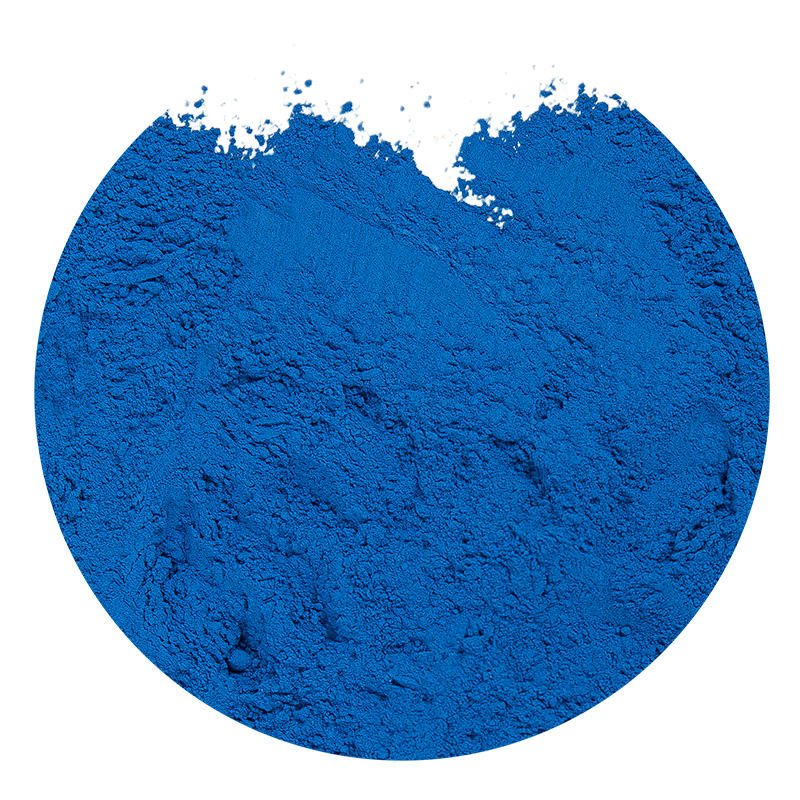
Blue iron oxide powder is often classified as a complex inorganic color pigment. While pure iron oxide does not naturally produce a vibrant blue, industrial "iron oxide blue" is frequently a specialized blend of iron oxide components (such as iron oxide yellow) and high-quality organic pigments (like phthalocyanine blue) or specific chemical compounds that mimic the iron oxide structure. This ensures the pigment retains the alkali resistance and weatherability characteristic of inorganic materials while achieving a deep, rich blue hue.
Chemical Composition and Properties
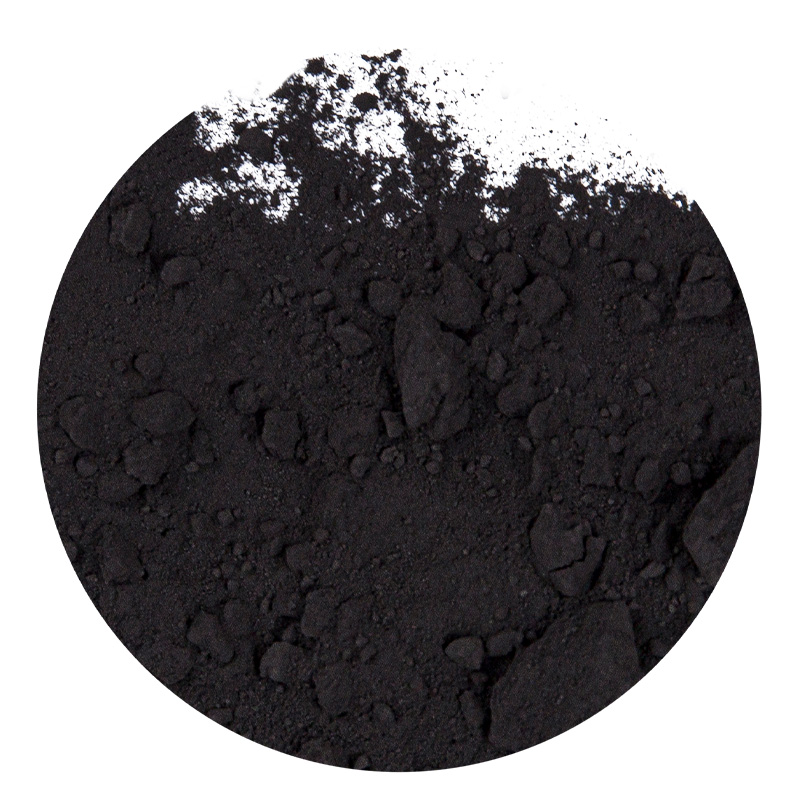
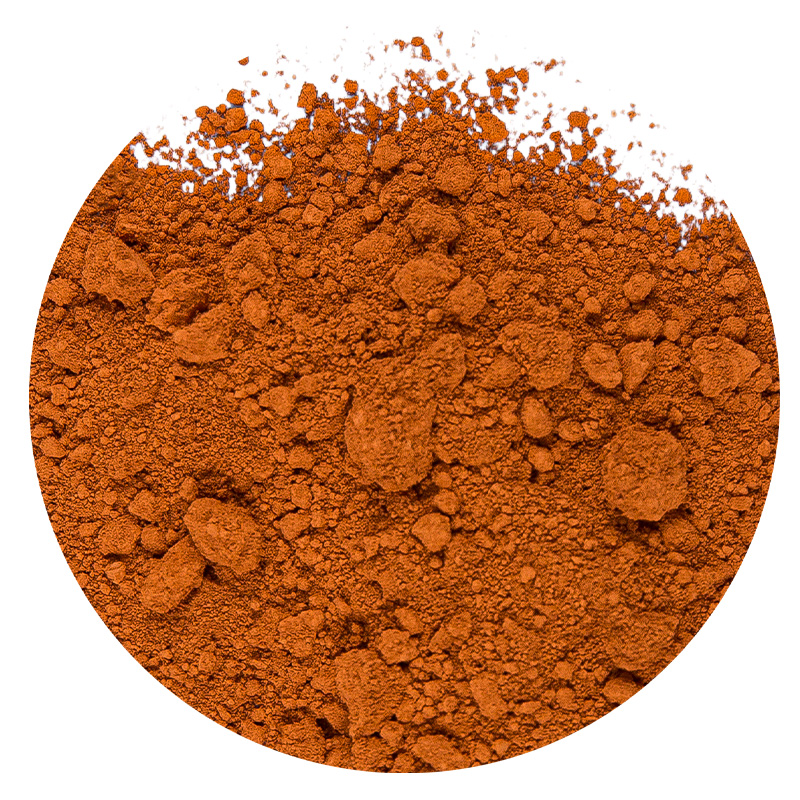
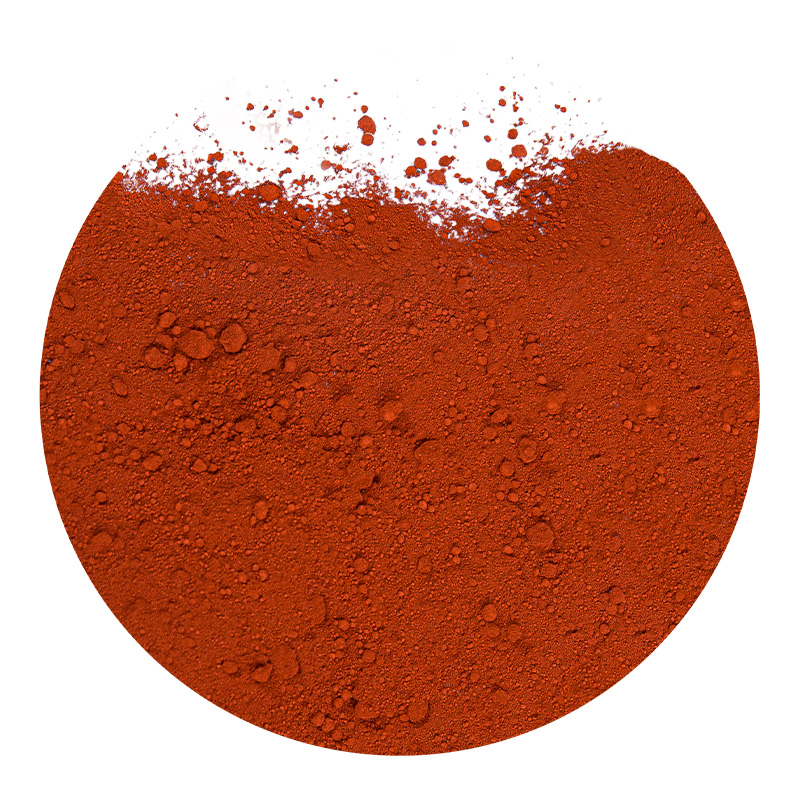
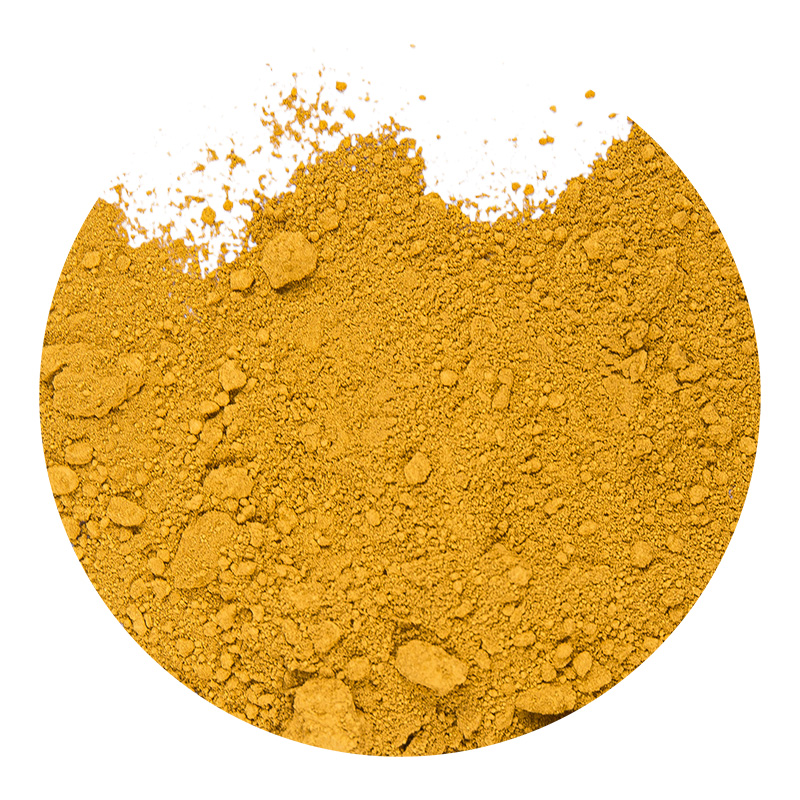
The chemical behavior of blue iron oxide is defined by its hybrid nature. It combines the heavy-duty physical properties of mineral oxides with the intense chromaticity of modern synthetics. Demei focuses on the research, development, and production of inorganic iron oxide pigments. Our pigments cover iron oxide red, yellow, black, brown, green, orange, blue, etc. We produce high-performance and high-stability composite iron oxide pigments with three series: standard, micronized, and low heavy metal content levels.
Technical Specifications and Comparison
To understand the performance of blue iron oxide powder, it is essential to analyze its physical and chemical parameters. Below is a comparison highlighting the differences between standard and micronized grades often used in high-end applications.
| Parameter | Standard Grade Blue Iron Oxide | Micronized Grade Blue Iron Oxide |
| Chemical Composition | Composite Iron Oxide / Phthalocyanine | High-Purity Composite Structure |
| Color Strength (%) | 95% - 105% | 100% - 110% |
| Oil Absorption (g/100g) | 25 - 35 | 15 - 25 |
| pH Value | 5.0 - 8.0 | 6.0 - 8.0 |
| Sieve Residue (325 Mesh) | ≤ 0.3% | ≤ 0.05% |
| Heat Resistance | Up to 180°C | Up to 220°C |
Key Properties of Blue Iron Oxide Powder
Color Characteristics: Shade and Intensity
The "shade" of blue iron oxide can range from a bright, sky-blue "Cyan" tone to a deep "Dark Navy" depending on the formulation. Its tinting strength is remarkably high, meaning a small amount of powder can color a large volume of base material (like concrete or plastic) without losing vibrancy.
Lightfastness and Weather Resistance
One of the primary reasons for choosing blue iron oxide over pure organic dyes is its UV stability. It does not easily photo-degrade, making it the preferred choice for outdoor construction and automotive coatings where exposure to sunlight is constant.
Chemical Stability
Blue iron oxide powder is highly resistant to acids and alkalis. This is critical for the construction industry, where pigments must withstand the highly alkaline environment of wet cement and mortar without changing color or breaking down chemically.
Particle Size and Dispersion
The dispersion efficiency of the powder determines the final surface quality. Micronized versions offer smaller particle sizes, which lead to better gloss retention in paints and prevent "streaking" in plastic extrusion processes.
Demei not only contributes to production and operation, but also faithfully fulfills its social responsibilities, protects the ecological environment, strengthens safe production, and cares for the health of employees. This commitment ensures that our blue iron oxide powder meets the most stringent environmental and safety regulations globally.
Would you like me to proceed with the next section regarding the Manufacturing Process and Industrial Applications of blue iron oxide?
Manufacturing Process of Blue Iron Oxide Powder
The production of high-quality blue iron oxide powder requires precise chemical engineering to ensure color consistency and structural integrity. Because blue is not a primary color in pure iron oxide minerals, manufacturers utilize sophisticated blending and synthesis techniques to create stable inorganic-organic composites or complex compounds.
Overview of Manufacturing Methods
The manufacturing of blue iron oxide involves two primary paths: the integration of high-performance organic pigments with iron oxide bases, or the synthesis of iron-cyanide complexes. Demei focuses on the research, development, and production of inorganic iron oxide pigments, utilizing advanced techniques to ensure our blue series meets international standards for industrial and decorative use.
The Blending and Micronization Method
- Base Selection: High-purity iron oxide yellow ($FeO(OH)$)or iron oxide white is used as the inorganic carrier.
- Pigment Integration: Phthalocyanine blue is introduced at high shear rates to ensure a uniform molecular coating.
- Micronization: The composite undergoes jet milling to reduce particle size to the sub-micron level, enhancing its dispersion properties and tinting strength.
The Precipitation and Calcination Method
For specific industrial grades, chemical precipitation is used to create a stable crystalline structure. Controlled temperature calcination follows, which dictates the final shade and heat resistance of the blue iron oxide powder. This process is monitored strictly to prevent heavy metal contamination.
Quality Control and Testing
To maintain peak performance, every batch undergoes rigorous testing:
- Colorimetric Analysis: Using spectrophotometers to measure $L$, $a$, $b$ values against a standard sample.
- Stability Testing: Accelerated weathering tests to ensure UV resistance.
- Heavy Metal Screening: Ensuring compliance with environmental standards, as Demei faithfully fulfills its social responsibilities and protects the ecological environment.
Uses and Applications of Blue Iron Oxide Powder
Paints and Coatings
Blue iron oxide is a staple in the coatings industry due to its non-bleeding characteristics and high opacity.
- Industrial Coatings: Used in heavy-duty machinery paints where chemical resistance is required.
- Automotive Refinishes: Provides deep tones that do not fade under intense sunlight.
- Architectural Paints: Ideal for both interior and exterior wall coatings due to its excellent lightfastness.
Construction Materials
In the construction sector, the ability to withstand high pH environments is paramount. Blue iron oxide powder is the preferred choice for coloring alkaline materials.
- Concrete and Masonry: Used for pre-cast concrete, roof tiles, and paving stones.
- Mortar and Stucco: Provides consistent coloring for decorative joints and exterior finishes.
Plastics and Rubber
The heat stability of blue iron oxide allows it to be used in various polymer processing methods.
| Application | Requirement | Blue Iron Oxide Performance |
| PVC Pipe/Profiles | UV Resistance | Exceptional; prevents polymer degradation. |
| Rubber Flooring | Abrasion Resistance | Maintains color even under heavy mechanical wear. |
| Masterbatches | High Dispersion | Standard and micronized grades ensure no speckling. |
Other Specialized Applications
Beyond traditional industries, blue iron oxide powder is utilized in:
- Inks and Toners: For high-durability printing applications.
- Paper Coloring: Used in the pulp coloring process for decorative laminates.
Our pigments cover iron oxide red, yellow, black, brown, green, orange, blue, etc. By offering three series—standard, micronized, and low heavy metal content levels—Demei ensures that clients in sectors ranging from heavy construction to sensitive consumer goods have access to the exact pigment profile required for their specific application.
Safety, Handling, and Environmental Considerations
Ensuring the safe use of blue iron oxide powder is a priority for both manufacturers and end-users. While generally classified as a non-hazardous substance, specific protocols must be followed to maintain a healthy workspace and minimize environmental impact.
Toxicity and Potential Hazards
Blue iron oxide is physically and chemically stable under normal conditions. It is considered non-toxic and non-reactive. However, like any fine powder, the primary physical hazard is the inhalation of airborne dust, which can cause respiratory irritation if handled improperly.
Safe Handling Practices and PPE
- Personal Protective Equipment (PPE): Operators should wear dust masks (N95 or higher), safety goggles, and protective gloves to prevent skin contact and inhalation.
- Ventilation: Use local exhaust ventilation or dust collection systems at the point of mixing or bag opening to keep concentration levels below permissible exposure limits.
- Storage: Store in a cool, dry, and well-ventilated warehouse. Keep containers tightly closed to prevent moisture absorption, which can lead to clumping and affect dispersion properties.
Regulatory Compliance and Sustainability
Demei not only contributes to production and operation, but also faithfully fulfills its social responsibilities, protects the ecological environment, strengthens safe production, and cares for the health of employees. Our blue iron oxide pigments are developed to meet global regulatory standards, including:
- REACH Compliance: Ensuring chemical safety for the European market.
- Low Heavy Metal Standards: Our specialized series is designed for sensitive applications, ensuring purity levels that meet or exceed international safety guidelines.
Benefits of Using Blue Iron Oxide Powder
Superior Color Stability and UV Resistance
Unlike many organic blue dyes that fade rapidly when exposed to sunlight, blue iron oxide powder maintains its hue for decades. Its UV resistance makes it an essential component for outdoor infrastructure and architectural finishes.
Versatility and Formulation Compatibility
This pigment is highly compatible with both water-based and solvent-based systems. Whether used in high-solid industrial coatings or aqueous masonry stains, it integrates seamlessly without affecting the curing process of the binder.
Cost-Effectiveness
Compared to expensive pure cobalt blues or high-end organic phthalocyanines, blue iron oxide provides a highly economical solution for large-scale coloring projects, offering excellent "value-per-ton" in construction and industrial sectors.
Blue Iron Oxide Powder vs. Alternatives
Choosing the right blue pigment depends on the specific requirements of the final product, such as heat resistance, chemical stability, and budget.
| Feature | Blue Iron Oxide (Composite) | Ultramarine Blue | Phthalocyanine Blue |
| Alkali Resistance | Excellent (Ideal for Concrete) | Moderate to Poor | Good |
| Opacity/Hiding Power | High | Low (Transparent) | Moderate |
| Heat Stability | High (up to 180°C-220°C) | Very High | Moderate (approx. 200°C) |
| Color Intensity | Medium to High | Medium | Extremely High |
Market Trends and Future Outlook
The global demand for blue iron oxide powder is increasing, driven by the growth in sustainable construction and the replacement of toxic lead-based pigments. Demei focuses on the research, development, and production of inorganic iron oxide pigments to meet these evolving needs. Our pigments cover iron oxide red, yellow, black, brown, green, orange, blue, etc., and we are continuously investing in micronization technology to provide even higher performance and high-stability composite iron oxide pigments.
Conclusion
Blue iron oxide powder stands as a cornerstone of the modern pigment industry, offering a unique blend of durability, safety, and aesthetic appeal. From the coloring of massive concrete structures to the intricate formulations of automotive paints, its role is indispensable. By choosing high-quality, high-stability pigments—such as the standard, micronized, and low heavy metal series produced by Demei—industries can ensure their products remain vibrant and stable for years to come.
Strategic Value and Future Evolution of Blue Iron Oxide Powder
In the final analysis of blue iron oxide powder, it is clear that its value extends far beyond simple aesthetics. As a high-performance inorganic pigment, its role in modern manufacturing is defined by its ability to provide long-term color integrity in environments that would cause organic dyes to fail. Demei focuses on the research, development, and production of inorganic iron oxide pigments, ensuring that every grade of blue iron oxide we produce meets the rigorous demands of global infrastructure and consumer safety.
Advanced Technical Considerations for Industrial Use
Optimizing Dispersion in Different Mediums
One of the most critical factors in utilizing blue iron oxide powder is achieving optimal dispersion. Improper mixing can lead to "flocculation," where pigment particles clump together, resulting in reduced tinting strength and surface irregularities.
- In Water-based Systems: The use of wetting agents is recommended to overcome the surface tension of the composite oxide particles.
- In Solvent-based Systems: The micronized series is preferred, as the smaller particle size allows for rapid integration into resin matrices with minimal mechanical shear.
- In Dry Mixing (Concrete): The powder should be blended with aggregates before adding water to ensure a streak-free, uniform finish in the final architectural element.
The Importance of Particle Size Distribution
The "Particle Size Distribution" (PSD) of blue iron oxide determines the final gloss and opacity of a coating. A narrow PSD ensures that the light scattering is uniform, which is vital for high-gloss automotive and decorative paints.
Comparative Analysis: High-Performance Pigment Grades
To assist technical engineers in selecting the correct material, the following table compares the specific performance tiers of blue iron oxide powder.
| Technical Metric | Standard Series | Micronized Series | Low Heavy Metal Series |
| Primary Application | Construction, Pavers, Bricks | Industrial Coatings, Plastics | Sensitive Packaging, Toys |
| Dispersion Speed | Moderate | High | Moderate to High |
| Hiding Power | Excellent | Superior | Excellent |
| Environmental Purity | Standard Compliance | Standard Compliance | Highest Purity Level |
Environmental Stewardship and Safe Production
As the industry moves toward more sustainable practices, the manufacturing of blue iron oxide powder must evolve. Demei not only contributes to production and operation, but also faithfully fulfills its social responsibilities, protects the ecological environment, strengthens safe production, and cares for the health of employees. This commitment is reflected in our low heavy metal content levels, which reduce the environmental footprint of our clients' final products.
Sustainable Future Trends
- Transition from Lead-based Pigments: Blue iron oxide serves as a safe, non-toxic alternative to older, hazardous blue pigments.
- Energy Efficiency: New calcination technologies are reducing the carbon intensity of pigment synthesis.
- Circular Economy: Efforts are being made to improve the recyclability of plastics colored with inorganic iron oxides.
Summary and Final Thoughts
Blue iron oxide powder remains a versatile and indispensable tool for architects, engineers, and product designers. Its combination of alkali resistance, UV stability, and cost-effectiveness ensures its continued dominance in the inorganic pigment market. By leveraging the different series available—standard, micronized, and low heavy metal—manufacturers can achieve the perfect balance of performance and safety.
Our pigments cover iron oxide red, yellow, black, brown, green, orange, blue, etc. We produce high-performance and high-stability composite iron oxide pigments designed to withstand the test of time and nature.
Industry-Specific Technical Analysis of Blue Iron Oxide Powder
As we delve deeper into the professional application of blue iron oxide powder, it becomes clear that its performance is not just about color, but about the chemical synergy it maintains within a formulation. Achieving high-performance results requires a nuanced understanding of its interaction with binders and substrates. Demei focuses on the research, development, and production of inorganic iron oxide pigments, ensuring that our products serve as more than just colorants—they are functional additives that enhance the longevity of the final product.
Deep Dive: Application Techniques and Optimization
Optimizing Dispersion in Industrial Systems
The efficacy of blue iron oxide powder is heavily dependent on its dispersion state. In industrial coatings, poorly dispersed pigment can lead to "floating" or "flooding," where the blue shade appears uneven on the dried surface. To prevent this, the following technical approaches are recommended:
- Pre-Wetting: For water-based paints, pre-mixing the powder with a small amount of water and a surfactant creates a "slurry" that integrates more smoothly into the main tank.
- High-Shear Milling: Using a sand mill or bead mill is essential for the standard series to break down agglomerates into primary particles.
- Micronized Advantage: Our micronized series is specifically engineered to bypass heavy milling stages, saving energy and processing time while achieving superior gloss.
Chemical Interaction in Construction Materials
In the construction sector, blue iron oxide must resist the "efflorescence" process—the migration of salts to the surface of concrete. Because blue iron oxide powder is chemically inert, it does not react with the calcium hydroxide in cement, ensuring that the structural integrity of the concrete remains uncompromised even at high loading levels.
Technical Parameter Comparison: Pigment Stability
When selecting a pigment for outdoor or high-heat environments, understanding the limits of stability is crucial. The following table provides a technical comparison between blue iron oxide and other common industrial blues.
| Stability Factor | Blue Iron Oxide (Composite) | Organic Phthalocyanine Blue | Cobalt Blue (Inorganic) |
| Lightfastness (1-8 Scale) | 7 - 8 | 7 - 8 | 8 |
| Alkali Resistance (1-5 Scale) | 5 (Excellent) | 5 (Excellent) | 5 (Excellent) |
| Acid Resistance (1-5 Scale) | 4 - 5 | 5 | 5 |
| Heat Stability (°C) | 180°C - 220°C | 200°C | 1000°C+ |
| Relative Cost | Economical | High | Very High |
Commitment to Excellence and Safety
In the modern manufacturing landscape, performance must go hand-in-hand with responsibility. Demei not only contributes to production and operation, but also faithfully fulfills its social responsibilities, protects the ecological environment, strengthens safe production, and cares for the health of employees. Our pigments cover iron oxide red, yellow, black, brown, green, orange, blue, etc., and are produced under strict safety protocols to ensure that workers and the environment are protected from hazardous exposure.
Specialized Product Lines
- High-Stability Composite Series: Designed for extreme weather conditions, maintaining color depth in tropical or high-UV regions.
- Low Heavy Metal Series: Specifically tested to meet the stringent EN71-3 and ASTM F963 standards for toy safety and sensitive consumer goods.
- Standard Industrial Series: The workhorse of the paving and brick industry, offering consistent batch-to-batch color matching.
Future Outlook: Innovation in Blue Pigment Technology
The future of blue iron oxide powder lies in the intersection of nanotechnology and "green" chemistry. We are seeing a shift toward even finer particle distributions that offer "transparent" properties for wood stains and metallic finishes. Demei remains at the forefront of this research, developing high-performance and high-stability composite iron oxide pigments that anticipate the needs of the next generation of eco-friendly coatings.
Conclusion
Selecting the right blue iron oxide powder is a strategic decision that affects the durability, safety, and visual impact of your project. By understanding the nuances of micronization, chemical stability, and dispersion, professionals can unlock the full potential of this versatile pigment. Whether your application is a high-rise facade or a precision-engineered plastic component, our comprehensive range provides the reliability you need.
Application Guide: Optimized Formulations for Blue Iron Oxide Powder
To achieve the best results with blue iron oxide powder, it is critical to tailor the loading levels and mixing procedures to the specific requirements of the medium. Whether used in high-durability industrial coatings or decorative pervious concrete, the pigment must be integrated based on scientific ratios to ensure color vibrancy without sacrificing material strength. Demei focuses on the research, development, and production of inorganic iron oxide pigments, providing specialized series to meet these high-performance needs.
1. Industrial Anti-Corrosive and High-Performance Coatings
In industrial settings, blue iron oxide is valued for its opacity and chemical resistance. In anti-corrosive primers and topcoats, it acts as a barrier against moisture and UV degradation.
Recommended Pigment Loading
- Primers (Anti-corrosive): 10% – 15% of the total formulation weight. High loading ensures superior hiding power and a denser protective film.
- Topcoats (Industrial): 5% – 10% of the total formulation weight. This range provides deep color saturation while maintaining the high gloss of the resin.
Formulation Tips for Coatings
- Binder Compatibility: Blue iron oxide integrates well with epoxy, polyurethane, and alkyd resins. For high-solids systems, the micronized series is recommended to minimize viscosity increase.
- Grinding Process: To reach a Fineness of Grind (Hegman Gauge) of 6 or higher, the pigment should be milled with 1/3 of the resin and appropriate dispersing agents before the "let-down" stage.
- Settling Prevention: Because inorganic pigments have a higher density, anti-settling agents (like organoclays) are essential for long-term shelf stability.
2. Colored Pervious Concrete and Construction Materials
Pervious (permeable) concrete requires a delicate balance; the pigment must coat the cement paste without clogging the internal voids or weakening the bond between aggregates. Demei produces high-performance and high-stability composite iron oxide pigments that are specifically tested for alkaline construction environments.
Recommended Addition Ratios (By Weight of Cement)
Pigment dosage should always be calculated based on the total weight of the cementitious material, not the total weight of the concrete mix.
| Desired Color Effect | Dosage (Pigment : Cement) | Visual Outcome |
| Pastel / Light Blue | 1% – 2% | Subtle, soft blue tones (best with white cement). |
| Standard / Vibrant Blue | 3% – 5% | Rich, commercial-grade blue for pavers and pathways. |
| Deep / Dark Blue | 6% – 8% | Maximum saturation; used for architectural highlights. |
| Saturation Point | > 9% | Not recommended; color gain is minimal and may reduce strength. |
Application Guidelines for Pervious Concrete
- Mixing Sequence: Add the blue iron oxide powder to the dry aggregates and cement first. Mix for 1–2 minutes to ensure even distribution before adding water.
- Water-to-Cement Ratio: Maintain a strict w/c ratio (typically 0.27–0.34). Excess water can cause "bleeding," where the pigment migrates to the bottom of the slab, leading to uneven color.
- Cement Selection: For the most vibrant "sky blue," use white Portland cement. Grey cement will shift the final color toward a "muted navy" or "teal."
3. Environmental Responsibility and Safety
Demei not only contributes to production and operation, but also faithfully fulfills its social responsibilities, protects the ecological environment, strengthens safe production, and cares for the health of employees. This is why we offer a low heavy metal content series for projects that must comply with strict environmental runoff regulations or toy-safe standards.
Special Series Availability
- Standard Series: Cost-effective for large-scale infrastructure and industrial flooring.
- Micronized Series: Engineered for rapid dispersion in high-end paints and plastics.
- Eco-Pure Series: Optimized for minimal environmental impact in sensitive water-permeable designs.
Summary of Best Practices
Regardless of the application, the key to success with blue iron oxide powder lies in precision. Always weigh your pigments accurately and avoid "volume-based" measuring (like using scoops or buckets) to prevent batch-to-batch color variation. By utilizing high-stability composite pigments from a dedicated manufacturer like Demei, you ensure that your project remains as vibrant as the day it was completed.