English
 عربى
عربى русский
 Español
How does the purity of black iron oxide pigment affect its UV stability and color consistency?
Content
The Chemical Relationship Between Purity and UV Stability
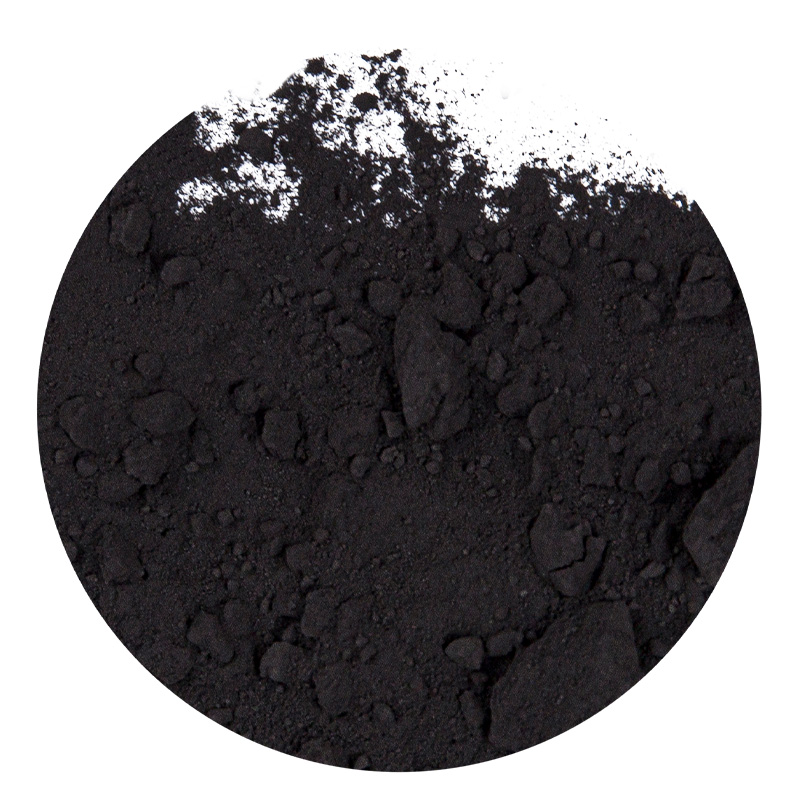
- Resistance to Photo-Oxidation: High-purity black iron oxide pigment is inherently UV-stable due to its inorganic crystalline structure. Unlike organic dyes, it does not break down under solar radiation. However, high purity (measured by $Fe_3O_4$ content) ensures the absence of soluble salts that can cause efflorescence, which often mimics "fading" by creating a white haze on the surface.
- Micronized Performance: Deqing Demi Pigment Technology Co., Ltd. produces high-performance micronized series pigments. By ensuring high chemical purity and a uniform particle size, the pigment provides a more consistent barrier against UV rays, protecting the underlying polymer or cement matrix from degradation.
- Ecological Responsibility: Demei focuses on low heavy metal content levels. Our high-stability composite iron oxide pigments are engineered to meet strict safety standards while maintaining the structural integrity required for long-term outdoor exposure.
Achieving Color Consistency in Large-Scale Production
- Crystalline Uniformity: The "purity" of the synthesis process determines the undertone of the pigment. High-purity black iron oxide pigment maintains a stable magnetite ($Fe_3O_4$) phase. Minor impurities or fluctuations in the production environment can shift the color toward a brownish tint, causing visible mismatches in large architectural projects.
- Standardized Batch Management: Through our trade company, Deqing Hele New Material Technology Co Ltd., we ensure that each batch of iron oxide black meets standardized tinting strength (95% - 105%). This level of consistency is critical for ready-mix concrete and industrial coatings where color precision is non-negotiable.
- High-Stability Composites: We produce standard, micronized, and low heavy metal series. These high-stability composite pigments are designed to prevent "color floating" or separation in liquid systems, ensuring that the black shade remains uniform from the top of the container to the bottom.
Technical Specification: Purity and Performance Metrics
| Technical Metric | High-Purity Black Iron Oxide (Demei) | Standard Grade Pigment |
| $Fe_3O_4$ Content (%) | ≥ 93% | 85% - 90% |
| Tinting Strength | 95% - 105% (Extremely Stable) | Variable |
| Oil Absorption (g/100g) | 15 - 25 | 25 - 35 |
| UV Stability (Gray Scale) | Level 8 (Maximum) | Level 7-8 |
| Heavy Metal Contaminants | Low (Controlled) | Standard |
Industrial Applications and Social Responsibility
- Masonry and Construction: In the construction of pavers and facades, the purity of the iron oxide pigment ensures that the color does not leach or wash out over decades of rain and sun exposure.
- Safe Production and Employee Health: Demei not only focuses on research and development but also fulfills its social responsibilities. We strengthen safe production and care for the health of our employees while protecting the ecological environment during the pigment synthesis process.
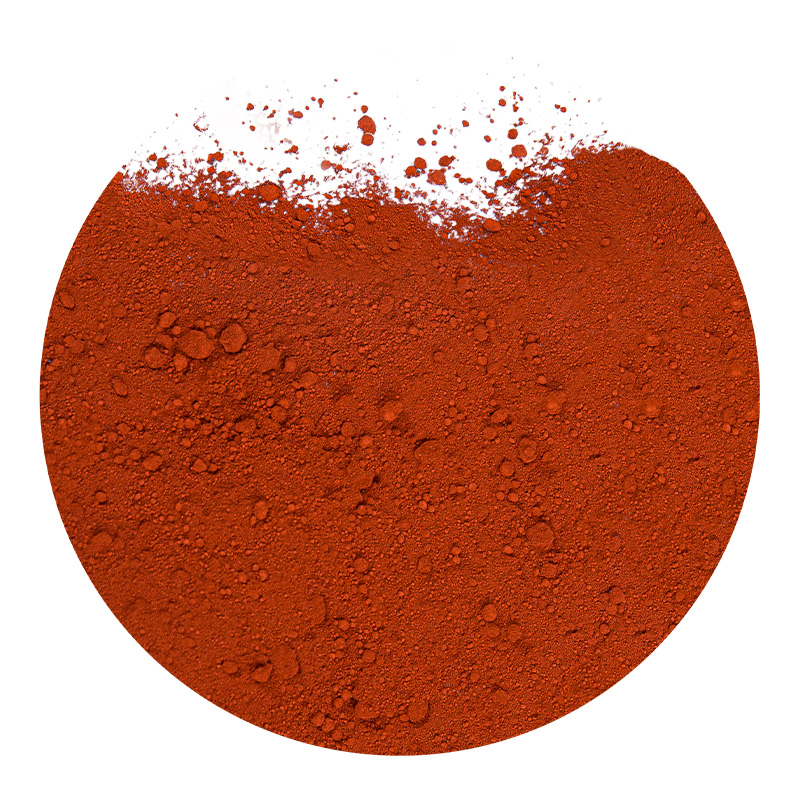
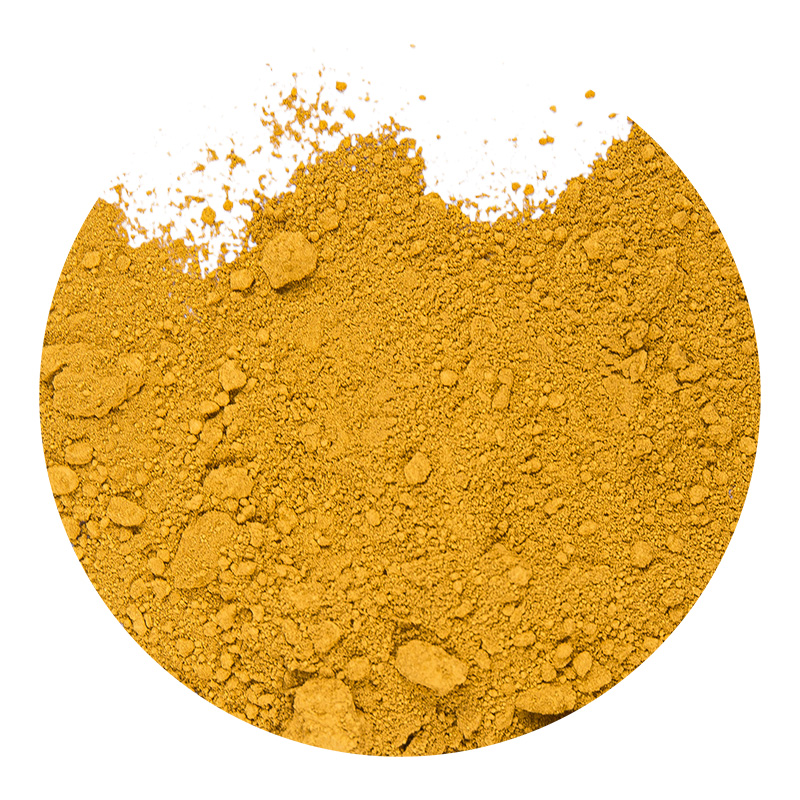
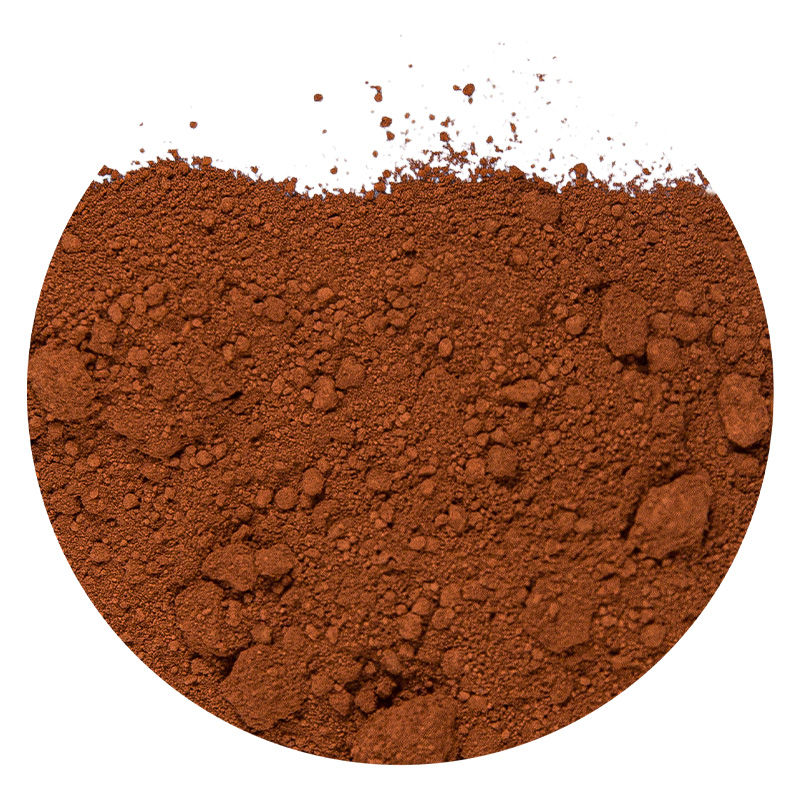
- Global Trade Reach: Our pigments, including red, yellow, black, brown, green, orange, and blue, are distributed worldwide, providing high-performance solutions for the paint, plastic, and rubber industries.
Hardcore Technical FAQ
- Does black iron oxide oxidize into red iron oxide?: Yes, if exposed to temperatures above 180°C, $Fe_3O_4$ can oxidize into $Fe_2O_3$ (red). High-purity pigments are often more thermally stable, but for extreme heat, specialized heat-resistant blacks are required.
- What is the difference between "Standard" and "Micronized" black?: Micronized pigments have been milled to a smaller, more uniform particle size, which allows for better dispersion and a higher gloss in coatings compared to standard grades.
- Why is "Low Heavy Metal Content" important?: This is a critical technical requirement for pigments used in plastics for toys, food-contact packaging, and environmentally sensitive construction projects.
- How do you test for color consistency?: We use spectrophotometers to measure the Delta E (ΔE) value. A low ΔE ensures that the color difference between the current batch and the standard is invisible to the human eye.
- Is black iron oxide magnetic?: Yes, $Fe_3O_4$ (Magnetite) is naturally magnetic. This property is often used in technical applications and can be a sign of high-purity iron oxide black.
Technical References
- ASTM D769: Standard Specification for Black Synthetic Iron Oxide.
- ISO 1248: Iron oxide pigments — Specifications and methods of test.
- EN 12878: Pigments for the coloration of building materials based on cement and/or lime.