English
 عربى
عربى русский
 Español
Engineering Analysis of Color Stability and Rheological Dispersibility in Bulk Iron Oxide Powder Procurement
Content
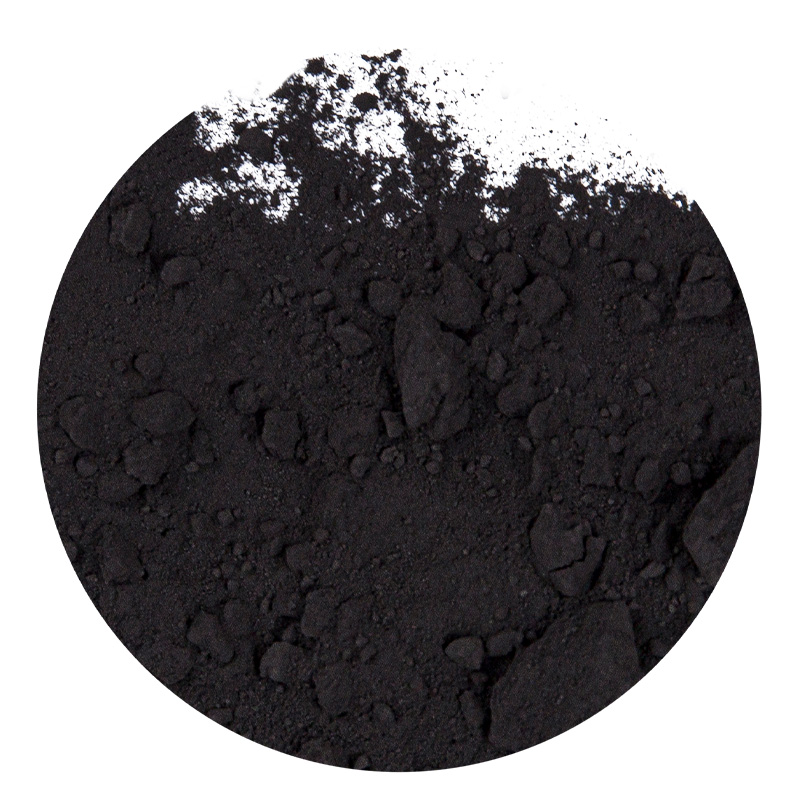
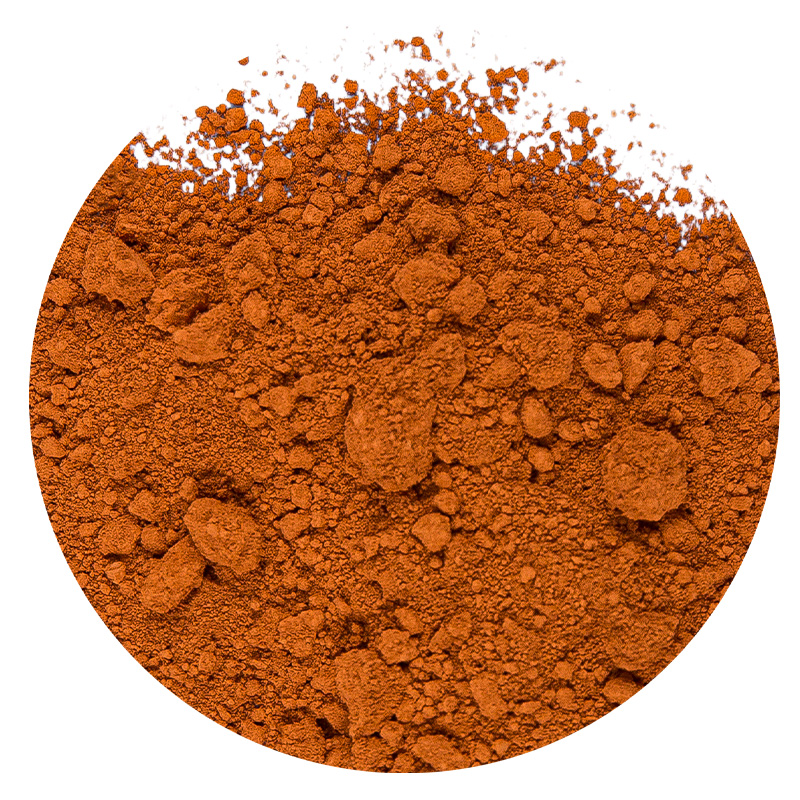
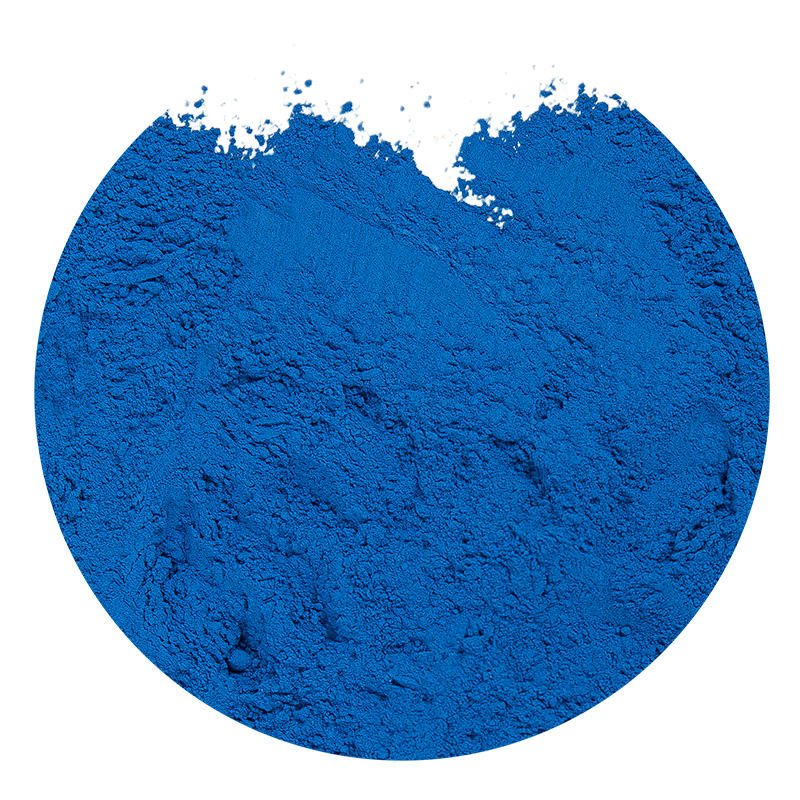
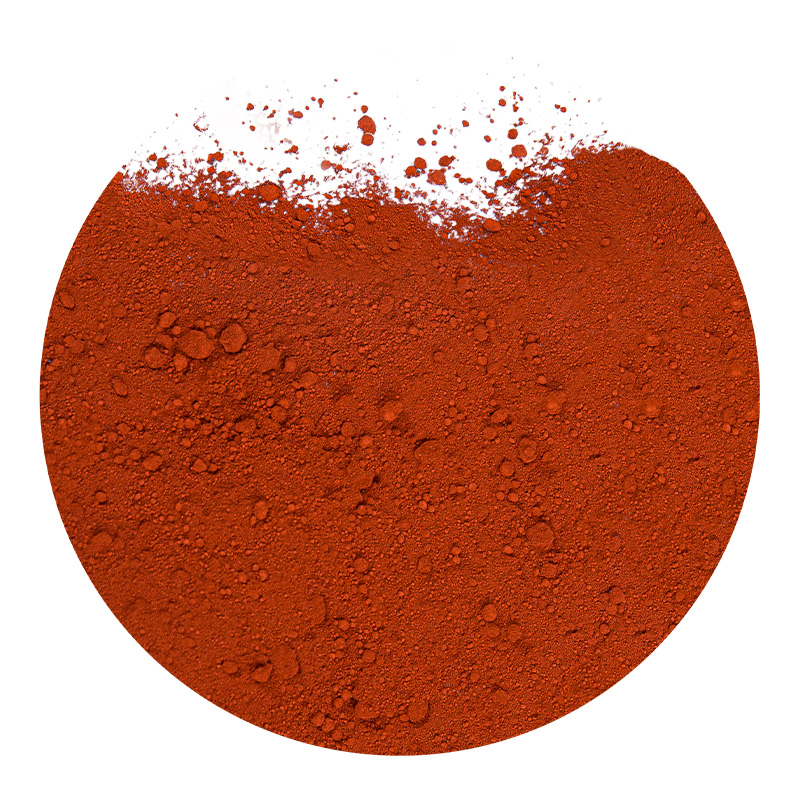
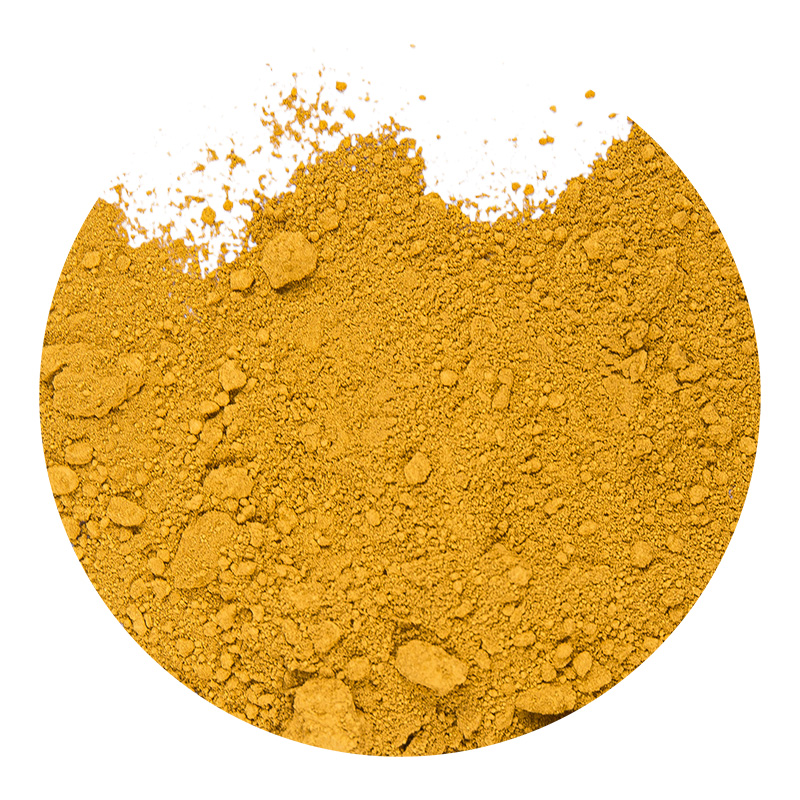
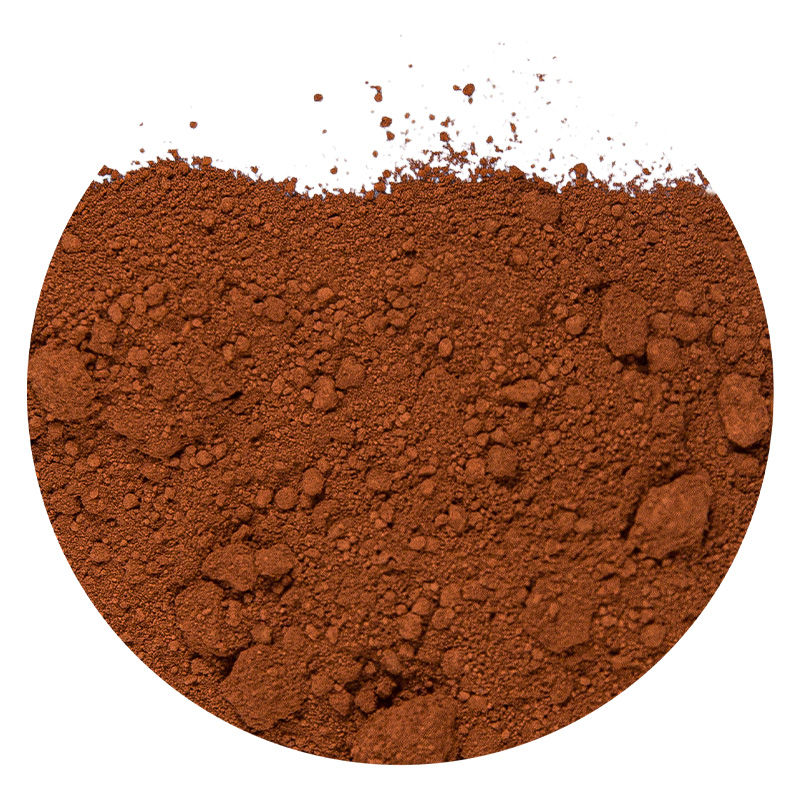
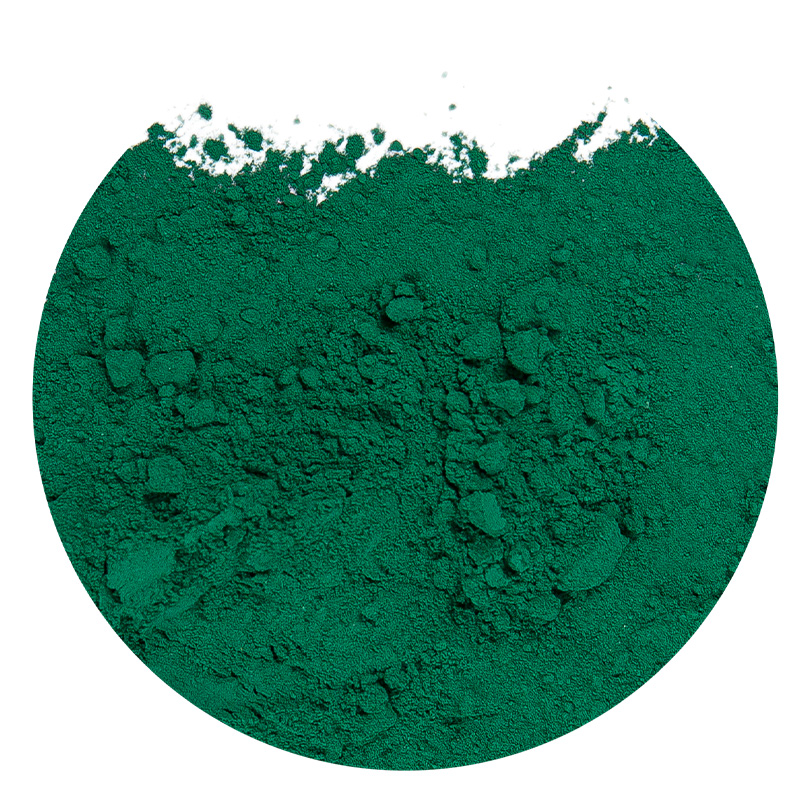
Deqing Demi Pigment Technology Co., Ltd. is a specialized enterprise focused on the research, development, and production of inorganic iron oxide pigments. Our product range includes iron oxide red, yellow, black, brown, green, orange, and blue. We engineer high-performance and high-stability composite pigments across three primary series: standard, micronized, and low heavy metal content levels. While Deqing Hele New Material Technology Co Ltd. manages our global trade operations, our manufacturing core remains committed to ecological protection and rigorous safety standards. For large-scale industrial users, sourcing iron oxide powder in bulk requires a deep understanding of particle morphology and chemical resistance to ensure batch-to-batch consistency in coatings, plastics, and construction materials.
Particle Size Distribution and Micronization Effects on Dispersibility
The dispersibility of iron oxide powder is primarily governed by the particle size distribution (PSD) and the presence of aggregates. How micronized iron oxide improves dispersion is through a mechanical reduction process that shifts the average particle size (D50) to the sub-micron range, typically between 0.1 um and 0.8 um. What is the Hegman gauge requirement for pigments in high-end coatings? For automotive and industrial paints, a Hegman fineness of 6 or higher is necessary to prevent surface defects. Using micronized iron oxide red reduces the energy required during the high-speed dissipation stage, minimizing the "floating" or "flooding" effects often seen with coarser pigments. Proper pigment particle morphology control ensures that the surface area (measured via BET method) remains within 7-15 m2/g, providing an optimal interface for wetting agents.
Chemical Composition and UV Degradation Resistance
Long-term color stability of iron oxide pigments is a result of the crystalline structure of the metal oxide. Iron oxide red (Fe2O3) typically possesses a rhombohedral hematite structure, which is inherently resistant to UV radiation and chemical attack. Why inorganic iron oxide is UV stable compared to organic alternatives relates to its ability to absorb and dissipate ultraviolet energy without breaking molecular bonds. To ensure iron oxide heat resistance in plastics, manufacturers must verify the transition temperature; for instance, iron oxide yellow (FeOOH) may dehydrate into red at temperatures exceeding 180°C. By sourcing high-purity iron oxide powder with low water-soluble salt content (less than 0.3% according to ISO 1248), engineers can prevent efflorescence and maintain the chromaticity (C*) and hue (h) of the final product over decades of outdoor exposure.
Heavy Metal Control and Environmental Compliance Standards
In accordance with the social responsibilities fulfilled by Demei, the production of low heavy metal iron oxide is prioritized for sensitive applications such as mulch colorants or food-contact plastics. What are the EN 71-3 standards for pigments regarding toxic element migration? Our low heavy metal series restricts arsenic, lead, and mercury levels to meet strict international safety thresholds. How to test iron oxide purity involves Inductively Coupled Plasma (ICP) spectroscopy to confirm that the Fe2O3 content remains above 95% or 98% for premium grades. Maintaining low oil absorption in iron oxide powder (typically 15-25 g/100g) allows formulators to increase pigment loading without significantly impacting the viscosity of the vehicle, optimizing the overall cost-to-performance ratio in bulk procurement.
| Technical Metric | Standard Industrial Grade | Demei Micronized Series |
| Fe2O3 Content (%) | > 90% | > 96% (High Purity) |
| Average Particle Size (um) | 0.5 - 1.5 | 0.1 - 0.3 (D50) |
| Residue on 325 Mesh (%) | < 0.3% | < 0.05% |
| Oil Absorption (g/100g) | 25 - 35 | 15 - 25 (Low Demand) |
| Tinting Strength (%) | 95% - 105% | 100% - 110% (Enhanced) |
Rheological Stability and Bulk Handling Protocols
The storage stability of bulk iron oxide powder is a critical factor in automated dosing systems. Why iron oxide powder aggregates in silos is often due to moisture absorption or electrostatic charging of fine particles. By utilizing anti-caking agents in pigment manufacturing, we improve the flowability and reduce the angle of repose for bulk shipments. Testing the tinting strength of iron oxide against a reference standard ensures that every metric ton delivered provides the same opacity and "hiding power." As a high-performance composite iron oxide pigment provider, Demei ensures that the dispersibility of inorganic pigments remains constant even after long-term storage in 25kg bags or 1000kg jumbo bags. This technical consistency allows manufacturers to maintain high-throughput production lines without recalibrating their colorimetric software for every new batch.
Industrial Hardcore FAQ
Q1: What is the primary difference between synthetic and natural iron oxide powder?
A1: Synthetic iron oxide offers significantly higher purity, more uniform particle shape, and stronger tinting power. Natural oxides often contain impurities like silica or clay, which can cause inconsistent color and lower chemical resistance.
Q2: How does the pH value of the iron oxide affect water-based coatings?
A2: Most iron oxides are neutral (pH 5-8). If the pH is too acidic, it can interfere with the thickeners or cause corrosion in metal containers. We maintain strict pH monitoring during the washing phase of production.
Q3: Can iron oxide black be used in high-temperature heat-resistant coatings?
A3: Standard iron oxide black (Fe3O4) is stable up to approx 150°C-180°C, after which it may oxidize into red. For higher temperatures, specialized manganese ferrites or high-stability black pigments are recommended.
Q4: Why is "oil absorption" such a critical parameter for paint manufacturers?
A4: Oil absorption determines how much resin/binder is required to "wet" the pigment. Lower oil absorption allows for higher pigment concentrations and lower VOC (volatile organic compound) levels in the final paint formulation.
Q5: How does Demei ensure the "low heavy metal" status for toy-grade pigments?
A5: We select high-purity iron precursors and utilize a closed-loop purified water system. Every batch intended for the low heavy metal series is tested via ICP to verify compliance with EN 71-3 and ASTM F963.
Technical References
- ISO 1248: Iron oxide pigments - Specifications and methods of test.
- ASTM D280: Standard Test Methods for Hygroscopic Moisture (and Other Matter Volatile Under the Test Conditions) in Pigments.
- EN 71-3: Safety of toys — Part 3: Migration of certain elements.