English
 عربى
عربى русский
 Español
Is Iron Oxide Powder Safe? What You Need to Know
Content
Iron Oxide Powder Is Generally Safe — But Context Matters
Iron oxide powder is considered safe for most everyday uses, including cosmetics, food coloring, and industrial applications. Regulatory bodies such as the U.S. Food and Drug Administration (FDA) and the European Food Safety Authority (EFSA) have approved specific forms of iron oxide as safe for use in food and personal care products. However, safety depends heavily on the form, particle size, exposure route, and duration of contact. Prolonged inhalation of fine iron oxide dust in occupational settings poses real health risks and requires proper protective measures.
What Is Iron Oxide Powder?
Iron oxide is a chemical compound formed when iron reacts with oxygen. It occurs naturally in the environment — rust is one of the most familiar examples. In powder form, iron oxide is produced industrially and appears in a range of colors depending on its chemical structure:
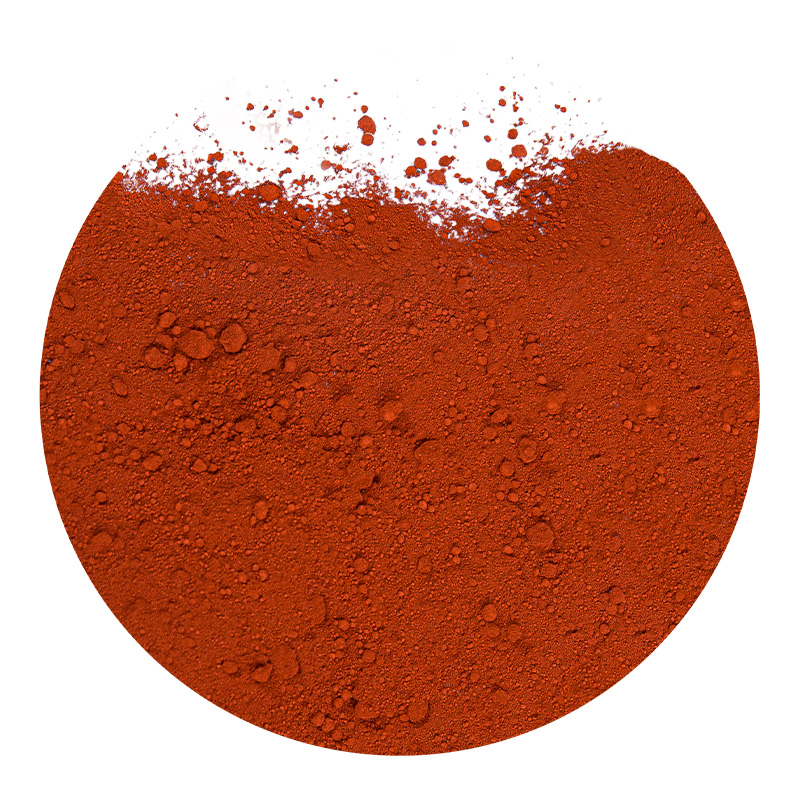
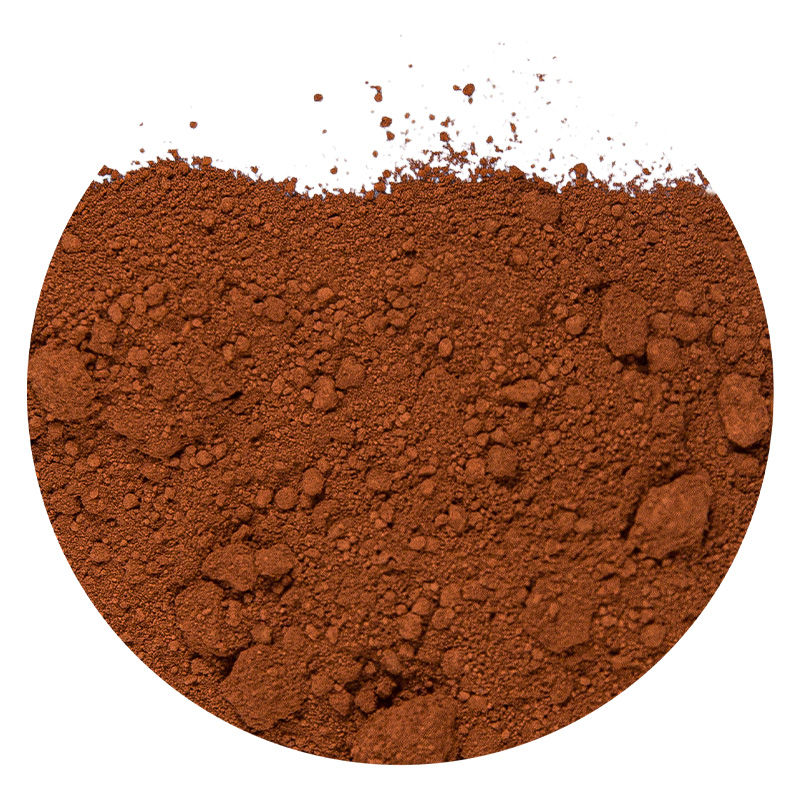
- Red iron oxide (Fe₂O₃) — the most common form, also known as hematite
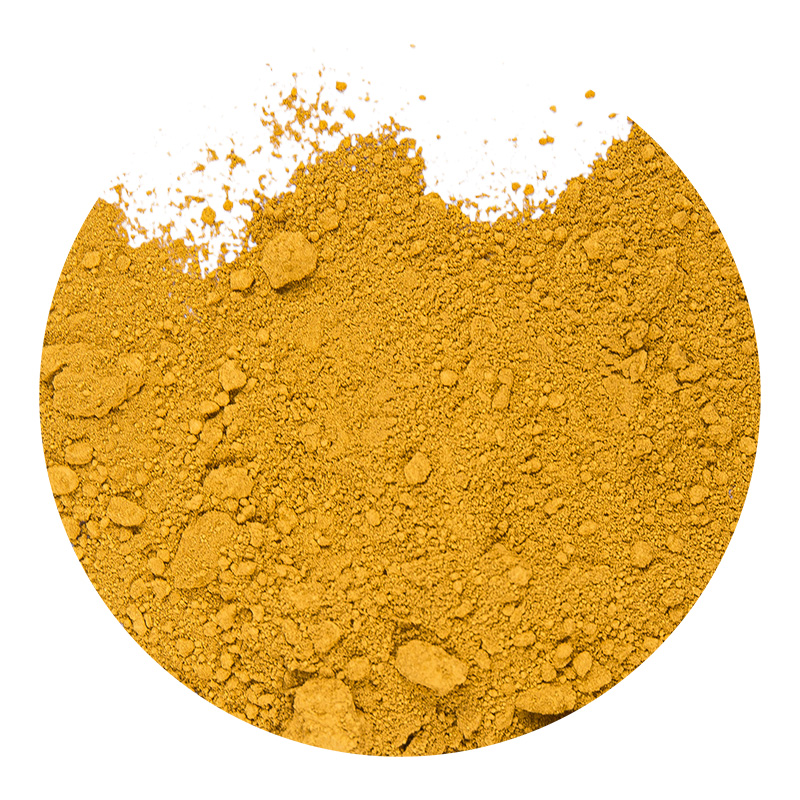
- Yellow iron oxide (FeOOH) — used widely in pigments and cosmetics
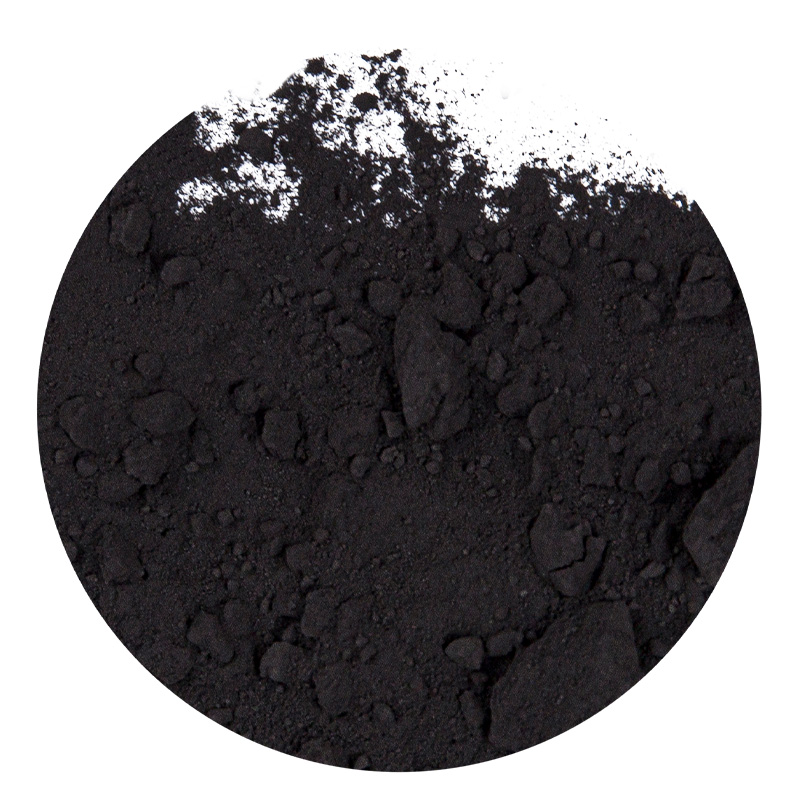
- Black iron oxide (Fe₃O₄) — also called magnetite, used in electronics and coatings
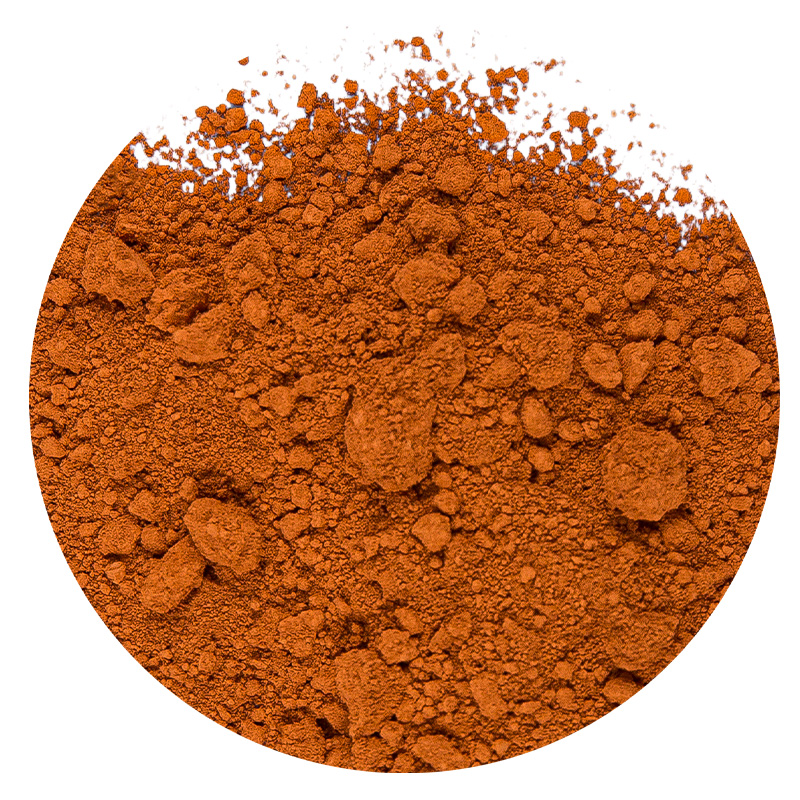
- Brown iron oxide — a mixture often used in construction materials and paints
Iron oxide powders are used in an enormous range of industries: construction (as a pigment in concrete), cosmetics (foundations, eyeshadows, blushes), food (as a coloring agent, listed as E172 in the EU), pharmaceuticals (as a tablet coating colorant), and industrial manufacturing (as a polishing compound and in magnetic materials).
Is Iron Oxide Bad for You? Health Risks Explained
The health impact of iron oxide depends primarily on how you are exposed to it.
Skin and Eye Contact
Iron oxide is generally non-irritating to the skin and eyes at concentrations used in consumer products. The FDA permits its use in cosmetics applied to the face and body. Products like mineral foundations routinely contain 5–25% iron oxide pigments with an established safety record spanning decades.
Ingestion
Iron oxide is approved by the FDA as a colorant in drugs and certain foods. The acceptable daily intake established by EFSA for iron oxides and hydroxides (E172) is up to 0.5 mg per kilogram of body weight per day. At typical dietary exposure levels, ingestion of iron oxide is not considered harmful.
Inhalation — The Main Concern
The most significant health concern is inhalation of iron oxide dust or fumes, particularly in occupational environments such as welding, mining, and metal grinding. Chronic inhalation can lead to a condition called siderosis — a benign pneumoconiosis caused by iron dust deposits in the lungs. While siderosis is generally considered non-fibrotic (it does not cause scarring like silicosis), long-term exposure at high concentrations may still impair lung function.
Occupational exposure limits reflect this concern:
| Regulatory Body | Permissible Exposure Limit (PEL) | Form |
|---|---|---|
| OSHA (USA) | 10 mg/m³ (as dust) | Iron oxide dust |
| NIOSH (USA) | 5 mg/m³ (recommended) | Respirable fraction |
| ACGIH (USA) | 5 mg/m³ (TLV-TWA) | Respirable fraction |
| UK HSE (EH40) | 4 mg/m³ (8-hour TWA) | Respirable dust |
Workers exposed to iron oxide fumes from welding operations face a higher risk of respiratory irritation. The International Agency for Research on Cancer (IARC) has evaluated iron and steel founding — a process that generates iron oxide fumes — and classified it as a Group 1 carcinogen (sufficient evidence in humans), though this classification relates to the overall occupational exposure mixture, not iron oxide in isolation.
Nanoscale Iron Oxide Particles
Engineered nanoparticles of iron oxide (particles smaller than 100 nm) are used in biomedical applications such as MRI contrast agents and targeted drug delivery. Research suggests that at the nanoscale, iron oxide may exhibit different biological behavior compared to bulk powder. Studies have shown that iron oxide nanoparticles can generate reactive oxygen species (ROS) in cells at high concentrations, potentially causing oxidative stress. However, at doses used in clinical MRI (typically 0.5–1.5 mg Fe/kg body weight), they are considered biocompatible and are cleared from the body through normal iron metabolism pathways.
Is Iron Oxide Powder Flammable?
Iron oxide powder is not flammable under normal conditions. Iron is already fully oxidized in iron oxide, meaning it has completed the oxidation reaction that combustion requires. You cannot burn iron oxide in the same way you can burn iron metal or organic materials.
However, there are important nuances:
- Fine iron oxide dust is not a fire hazard, but it can act as an oxidizing agent in certain chemical reactions. It should be kept away from strong reducing agents (e.g., aluminum powder, magnesium), which can react violently with iron oxide in a thermite-type reaction.
- Thermite reaction: A mixture of iron oxide and aluminum powder, when ignited, produces temperatures exceeding 2,500°C. This is a well-known exothermic reaction used in welding and incendiary applications — it highlights that while iron oxide itself does not ignite, it can supply oxygen to support the combustion of reactive metals.
- Dust explosion risk: Very fine iron oxide powder suspended in air does not pose a dust explosion risk comparable to organic or metallic dusts (such as coal or aluminum). Its minimum ignition energy is extremely high, making spontaneous ignition essentially impossible under normal industrial conditions.
In terms of regulatory classification, iron oxide is not listed as a flammable solid under the UN Globally Harmonized System (GHS) or the U.S. OSHA Hazard Communication Standard.
Safe Handling Practices for Iron Oxide Powder
Whether you are using iron oxide in a craft studio, a construction site, or an industrial facility, following basic safety measures significantly reduces any risk:
- Respiratory protection: Use an NIOSH-approved dust mask (minimum N95) when working with large quantities of iron oxide powder in enclosed spaces to prevent inhalation of fine particles.
- Ventilation: Ensure adequate local exhaust ventilation in workplaces where iron oxide dust is generated regularly.
- Skin and eye protection: Wear gloves and safety glasses when handling bulk powders, particularly in industrial settings, to avoid prolonged skin contact or eye irritation.
- Storage: Store iron oxide powder in a dry, sealed container away from strong reducing agents and moisture to prevent caking and unintended reactions.
- Hygiene: Wash hands thoroughly after handling. Do not eat, drink, or smoke in areas where iron oxide dust is present.
Summary: When Is Iron Oxide Safe and When Should You Be Cautious?
| Use Case | Safety Level | Key Consideration |
|---|---|---|
| Cosmetics and makeup | Safe (FDA/EU approved) | Avoid eye area products with non-approved grades |
| Food coloring (E172) | Safe within ADI limits | 0.5 mg/kg/day acceptable daily intake |
| Construction pigments | Safe with precautions | Use dust mask during mixing |
| Industrial / occupational exposure | Risk if limits exceeded | Maintain dust below 5 mg/m³ (respirable) |
| Welding fumes (iron oxide) | Moderate to high risk | Use respirator and ventilation |
| Nanoparticle biomedical use | Safe at clinical doses | Research ongoing for long-term effects |
| Mixed with reactive metals | Serious hazard | Keep away from aluminum, magnesium powders |