English
 عربى
عربى русский
 Español
Is Iron Oxide Powder Dangerous or Toxic? Full Guide
Content
- 1 What Iron Oxide Powder Actually Is
- 2 Are Iron Oxides Toxic — The Regulatory Verdict
- 3 Is Iron Oxide Powder Dangerous — Understanding the Real Risks
- 4 Safe Handling Practices for Iron Oxide Powder
- 5 Iron Oxide in Cosmetics: Why It Is Considered Safe for Skin
- 6 Common Applications and Associated Risk Levels
Iron oxide powder is not acutely toxic under normal handling conditions, but it is not entirely risk-free either. The key distinction is exposure route and quantity: inhalation of fine iron oxide dust over long periods poses documented health risks, while skin or incidental contact at low levels is generally considered safe. The short answer is — iron oxides are not classified as toxic substances, but they are not harmless under all circumstances, and proper handling precautions matter.
What Iron Oxide Powder Actually Is
Iron oxide is a compound of iron and oxygen. It exists in several distinct chemical forms, each with different properties and uses. The most commercially significant are:
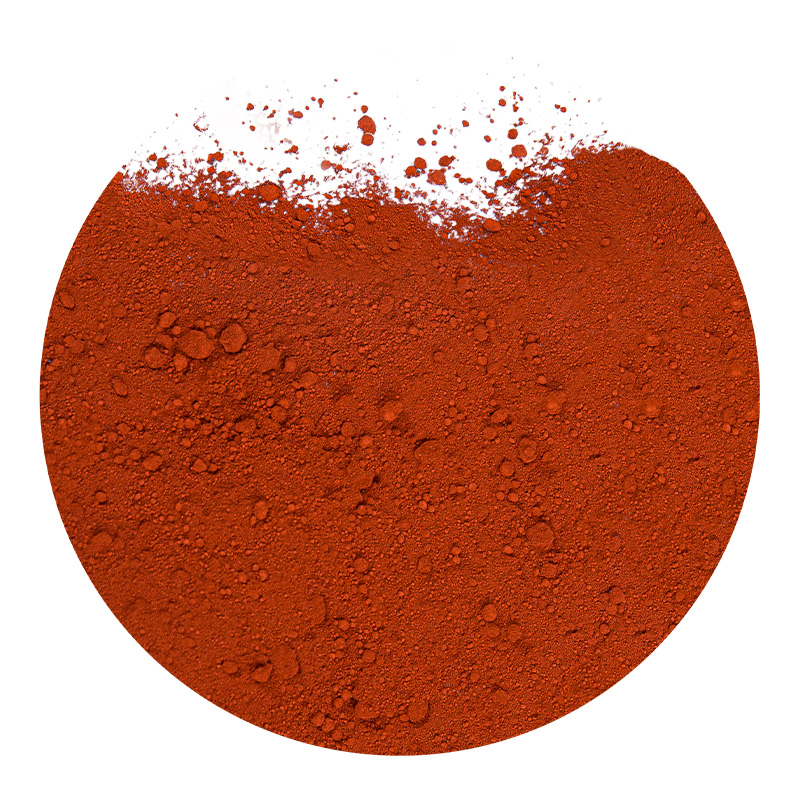
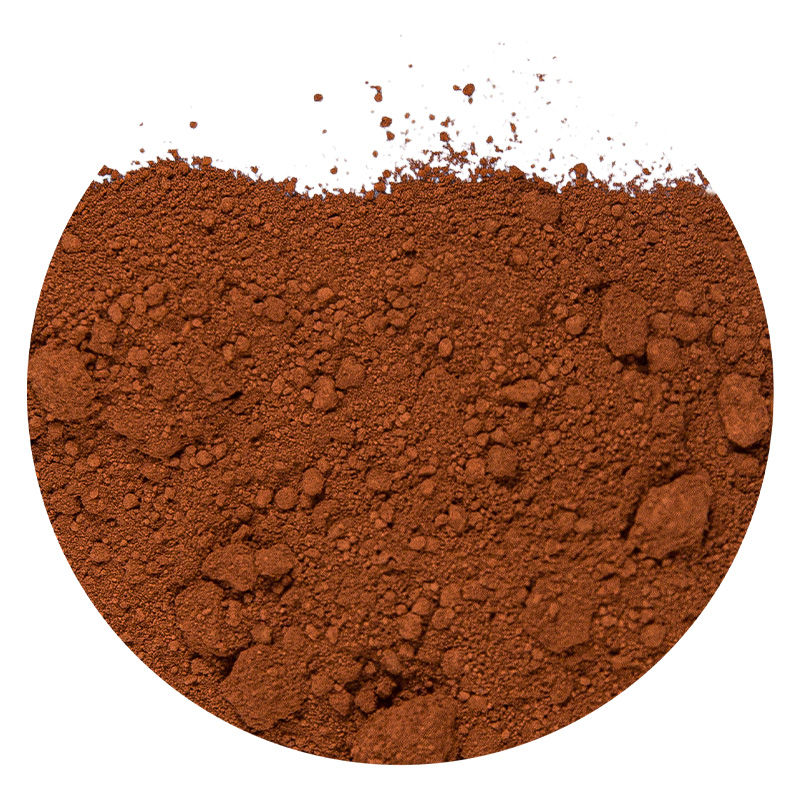
- Fe2O3 (hematite / red iron oxide): The most widely used form. Found in pigments, cosmetics, construction materials, and polishing compounds.
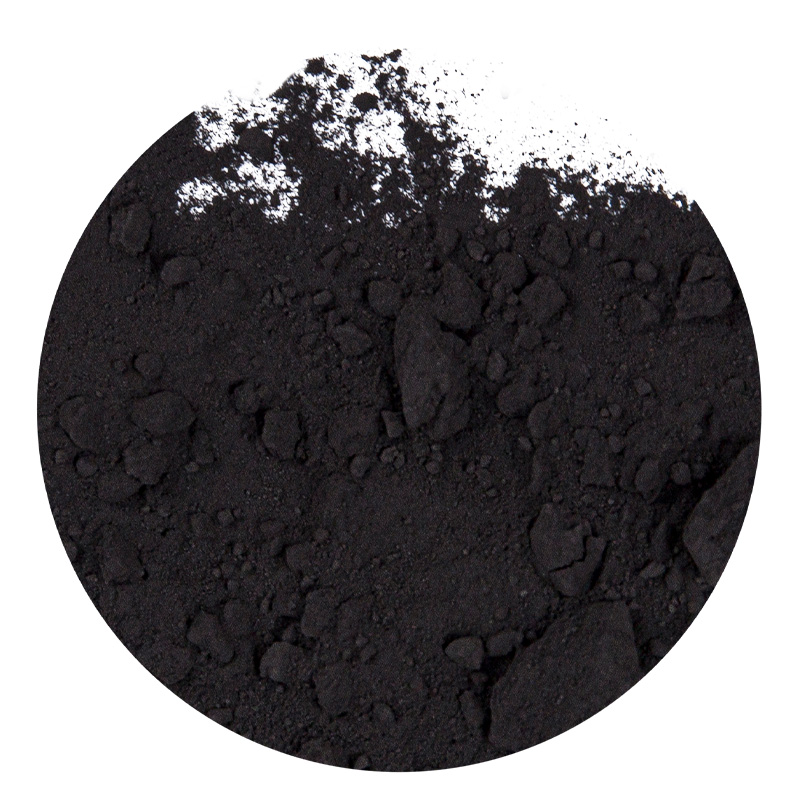
- Fe3O4 (magnetite / black iron oxide): Used in magnetic applications, coatings, and as a pigment in inks and paints.
- FeO (wustite / yellow iron oxide): Less stable, used in specialized industrial applications.
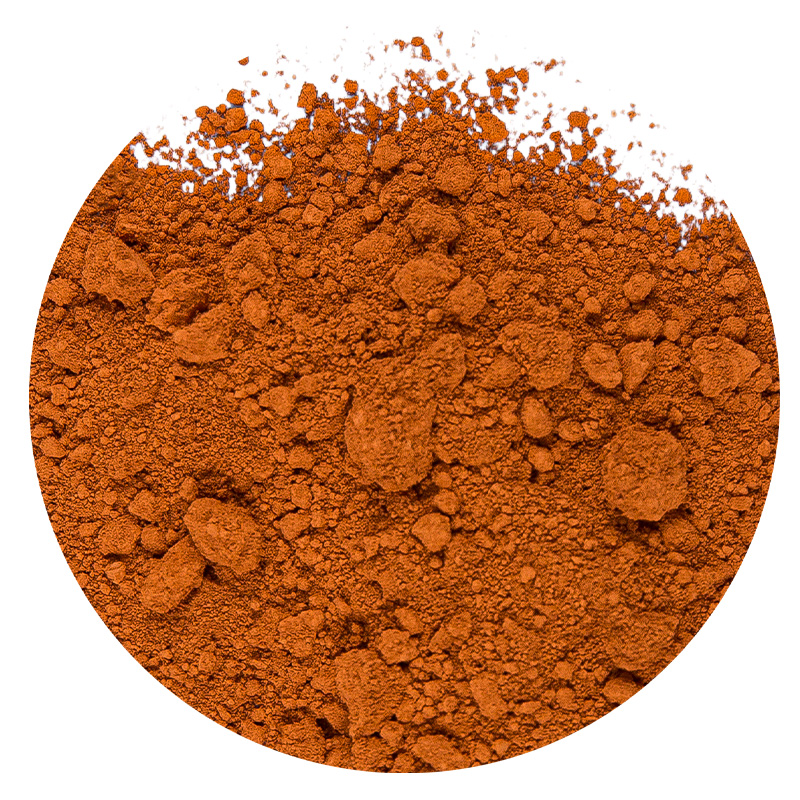
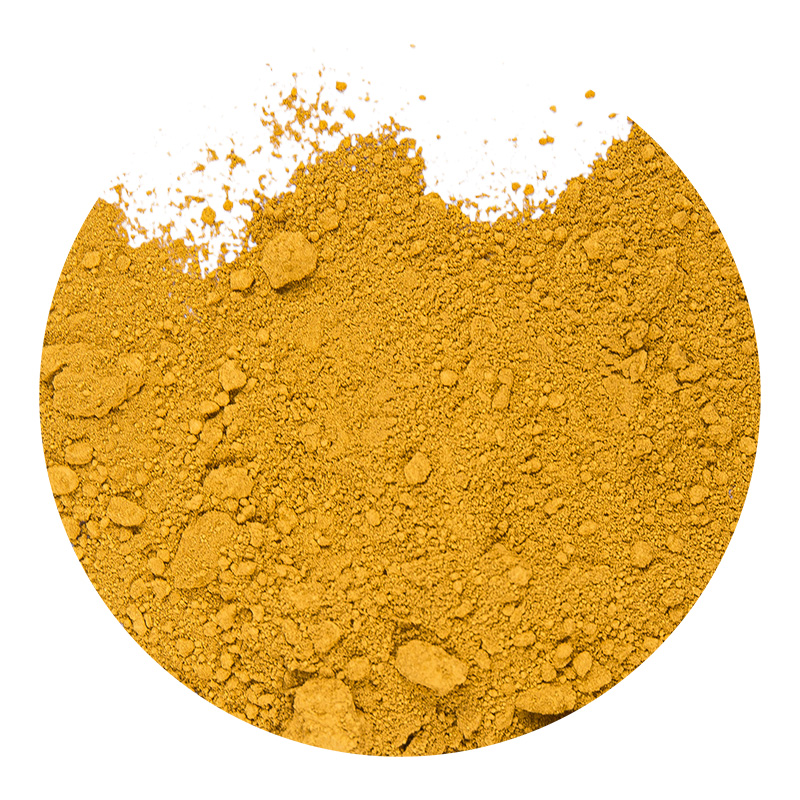
- Fe2O3·H2O (goethite / yellow-brown iron oxide): Common in pigment formulations requiring warm earth tones.
Iron oxides occur naturally in soil, rock, and rust, and are also produced synthetically for controlled particle size, purity, and color consistency. Synthetic grades are far more uniform and are the standard for cosmetics, pharmaceuticals, and food-contact applications.
Are Iron Oxides Toxic — The Regulatory Verdict
Multiple global regulatory bodies have evaluated iron oxides and reached consistent conclusions. They are not classified as acutely toxic substances under standard occupational and consumer exposure scenarios.
| Regulatory Body | Classification / Status | Permitted Uses |
|---|---|---|
| U.S. FDA | GRAS (Generally Recognized as Safe) for cosmetics; approved color additive | Cosmetics, externally applied drugs, food contact |
| European Chemicals Agency (ECHA) | Not classified as hazardous under CLP/GHS at bulk scale | Pigments, construction, cosmetics |
| IARC | Iron oxide dust/fumes: Group 3 (not classifiable as carcinogenic to humans) | Industrial exposure reviewed |
| NIOSH (U.S.) | REL: 5 mg/m3 (respirable) / 10 mg/m3 (total) for iron oxide dust | Occupational exposure limits set |
| European Cosmetics Regulation | Approved colorants (CI 77491, CI 77492, CI 77499) | Makeup, skincare, hair color |
The IARC Group 3 designation is notable: it means there is insufficient evidence to classify iron oxide as carcinogenic — not that it has been proven safe, but that available data does not support a carcinogenic classification. This is a meaningful distinction from Group 1 (known carcinogens) or Group 2A/2B (probable/possible carcinogens).
Is Iron Oxide Powder Dangerous — Understanding the Real Risks
Danger depends entirely on the form of exposure. Iron oxide powder presents three meaningful risk scenarios, and only one of them applies to most everyday users.
Inhalation: The Primary Concern
Fine iron oxide dust, particularly particles below 10 microns (PM10) or 2.5 microns (PM2.5), can penetrate deep into the respiratory system. Prolonged occupational inhalation — typically in welding, grinding, or pigment manufacturing — has been associated with a condition called siderosis (also called "welder's lung" or "arc welder's pneumoconiosis"). This is a form of pneumoconiosis characterized by iron deposits in lung tissue.
Key facts about siderosis:
- It is generally considered a benign pneumoconiosis — lung function impairment is minimal compared to silicosis or asbestosis.
- It develops from years of heavy occupational exposure, not from occasional use or consumer-level contact.
- A 2021 review in the Journal of Occupational Medicine and Toxicology confirmed that siderosis alone rarely causes significant respiratory disability.
- Risk escalates significantly when iron oxide dust is inhaled alongside silica, manganese, or other toxic particulates — common in mixed industrial environments.
Skin and Eye Contact
Iron oxide powder is not a skin irritant under normal conditions. The FDA's approval of iron oxides as cosmetic colorants — used in foundations, eyeshadows, and lipsticks at concentrations up to 100% in some pigment products — reflects the low dermal risk. However, fine particulate powders can cause mechanical eye irritation if dust is introduced directly to the eye. This is a physical effect of any fine powder, not a chemical toxicity.
Ingestion
Iron oxide is not readily bioavailable in its oxide form. Unlike soluble iron salts (such as ferrous sulfate, used in supplements), iron oxide is poorly absorbed by the gastrointestinal tract. Small incidental ingestion — as occurs in cosmetics applied near the mouth — is not considered dangerous. However, consuming large quantities of any fine industrial powder is inadvisable for obvious physical reasons.
Safe Handling Practices for Iron Oxide Powder
Whether you are using iron oxide powder for cosmetic formulation, concrete pigmenting, ceramic glazing, or craft projects, these handling guidelines reduce any residual risk to negligible levels:
- Respiratory protection: Use an N95 or P2 dust mask when measuring, mixing, or pouring iron oxide powder in quantities above a few grams. Fine pigment powders can remain airborne for extended periods in still air.
- Eye protection: Safety glasses or goggles when handling bulk quantities or working in conditions where powder can be disturbed.
- Ventilation: Work in a well-ventilated area or under a fume hood for industrial-scale use. For small craft or cosmetic batches, a room with open windows is generally sufficient.
- Skin contact: Not a primary concern, but washing hands after handling is good practice to avoid transferring pigment to eyes or food.
- Storage: Keep containers sealed to prevent moisture ingress (which can cause clumping) and to prevent airborne dispersion. Store away from strong oxidizers.
- Children and pets: Keep pigment powders out of reach. The concern is not acute toxicity but physical hazard from inhaling any fine powder.
Iron Oxide in Cosmetics: Why It Is Considered Safe for Skin
Cosmetic-grade iron oxide is manufactured to strict purity standards. The primary concern in cosmetic use is not the iron oxide itself but heavy metal contamination — specifically lead, arsenic, mercury, and chromium — that can be present in low-quality or industrial-grade material. Cosmetic-grade iron oxides are tested to confirm these impurities fall below regulated limits (e.g., the FDA limits lead in cosmetic colorants to 20 ppm).
This is why grade matters significantly when sourcing iron oxide powder for any skin-contact application. Industrial-grade iron oxide used in concrete or coatings is not subject to the same purity standards as cosmetic-grade material and should never be used in personal care formulations.
| Grade | Purity Standard | Suitable For | Not Suitable For |
|---|---|---|---|
| Cosmetic / Pharmaceutical | Heavy metal tested, FDA/EU compliant | Makeup, skincare, soap | N/A |
| Food-grade (where approved) | E172 (EU), FDA food colorant | Certain food colorings, supplements | Industrial processes |
| Technical / Industrial | Color and particle size controlled; impurities not cosmetically tested | Concrete, coatings, ceramics | Cosmetics, food contact |
Common Applications and Associated Risk Levels
Understanding the actual risk profile across different use scenarios helps put the question "is iron oxide powder dangerous" in practical context:
- Cosmetic formulation (low risk): Blending iron oxide into foundation or eyeshadow involves small quantities, cosmetic-grade material, and minimal dust generation if handled carefully. Risk is negligible.
- Concrete and mortar pigmenting (low to moderate risk): Larger quantities are involved and mixing can generate dust. Use of a dust mask is recommended. The iron oxide itself is low hazard; the concrete dust (which may contain silica) is the greater concern.
- Ceramic glazing (low risk): Iron oxide is mixed into wet slip or glaze, greatly reducing dust. Once fired, it is fully inert. Unfired glaze dust should be handled with standard ceramic studio precautions.
- Industrial pigment manufacturing (moderate risk, managed by PPE): High-volume handling of fine powder. Engineering controls (dust suppression, enclosed mixing) and PPE (respirators, goggles) are standard practice.
- Welding on iron/steel (moderate risk from fumes): Welding generates iron oxide fumes, not just dust. Fume particles are ultrafine and more deeply respirable than coarse powder. Proper fume extraction is essential in this context.