English
 عربى
عربى русский
 Español
Iron Oxide Powder: Uses, Mixing Guide & Safety Facts
Content
Iron oxide powder is a finely ground mineral compound formed when iron reacts with oxygen, producing pigments that range from yellow and red to brown and black. It is widely used as a colorant in construction materials, coatings, cosmetics, plastics, and ceramics. When handled correctly, it is considered safe for most applications — but prolonged inhalation of fine particles requires proper respiratory protection.
What Is Iron Oxide Powder Used For?
Iron oxide powder serves an exceptionally broad range of industries. Its combination of chemical stability, UV resistance, non-toxicity (at standard exposure levels), and rich color output makes it one of the most versatile inorganic pigments available. Below are the primary application areas:
| Industry | Application | Common Colors Used |
|---|---|---|
| Construction | Coloring concrete, pavers, mortar, and roof tiles | Red, yellow, brown, black |
| Paints and Coatings | Exterior paints, primers, anti-corrosion coatings | Red (Fe2O3), yellow (FeOOH), black (Fe3O4) |
| Cosmetics | Foundations, eyeshadows, lipsticks, blushes | Red, yellow, brown, black |
| Plastics and Rubber | Coloring polymer compounds and rubber products | Red, yellow, black |
| Ceramics and Glass | Glazes, ceramic bodies, decorative glass | Red, black, brown |
| Magnetic Applications | Magnetic recording media, ferrofluids | Black (magnetite, Fe3O4) |
| Art and Craft Pigments | Artist paints, oxide washes, oxide stains | All varieties |
In construction alone, iron oxide pigments color an estimated 1.5 billion square meters of concrete annually worldwide. Red iron oxide (Fe2O3) is the most commonly used variety, prized for its heat stability up to 300°C and excellent lightfastness — it does not fade even after decades of outdoor exposure.
When Iron Oxidizes, What Does It Form?
When iron oxidizes, it forms iron oxide — a compound of iron and oxygen. The specific compound that forms depends on the conditions of oxidation, particularly the availability of oxygen and moisture, and the temperature involved. The three most important iron oxide compounds are:
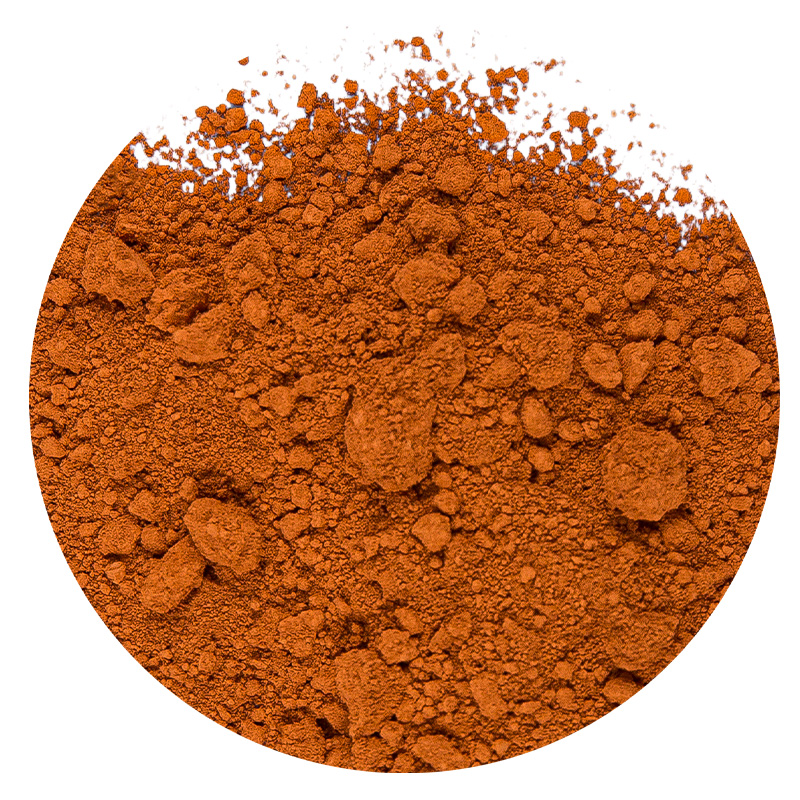
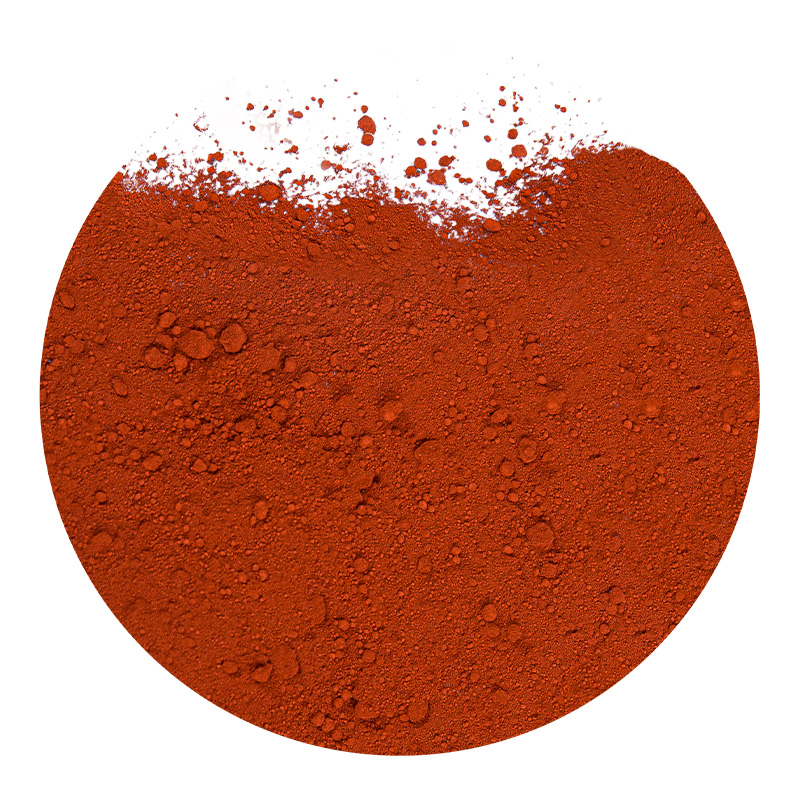
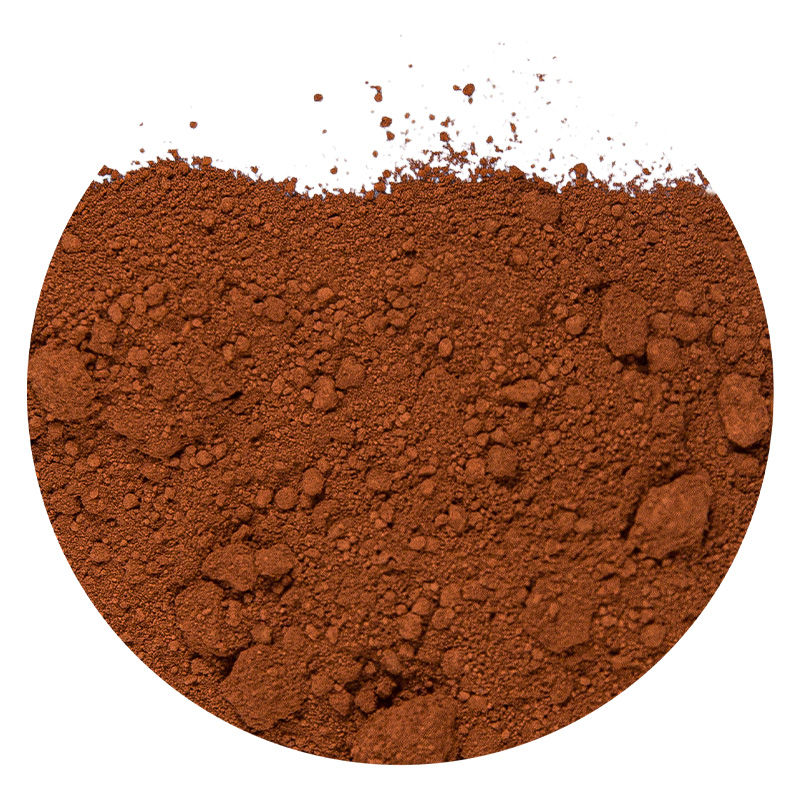
- Hematite (Fe2O3) — the most stable form of iron oxide, produced by dry high-temperature oxidation. It appears as a deep red-brown powder and is the basis for red iron oxide pigment. This is the same compound responsible for the rust-red color of Mars.
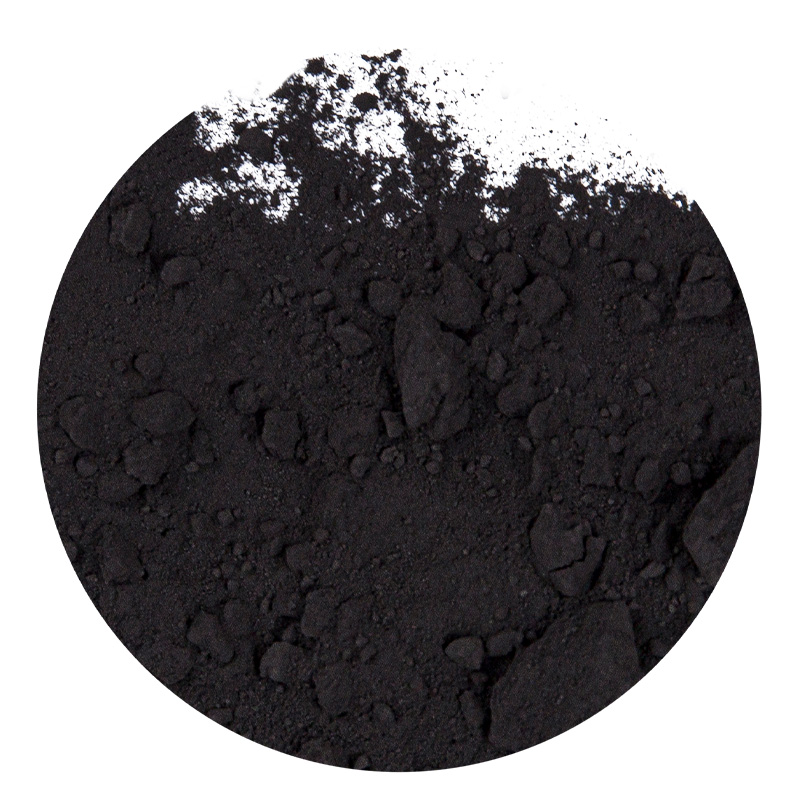
- Magnetite (Fe3O4) — a mixed iron oxide containing both Fe2+ and Fe3+ ions. It forms under lower-oxygen conditions and is strongly magnetic. Black iron oxide pigment is derived from magnetite.
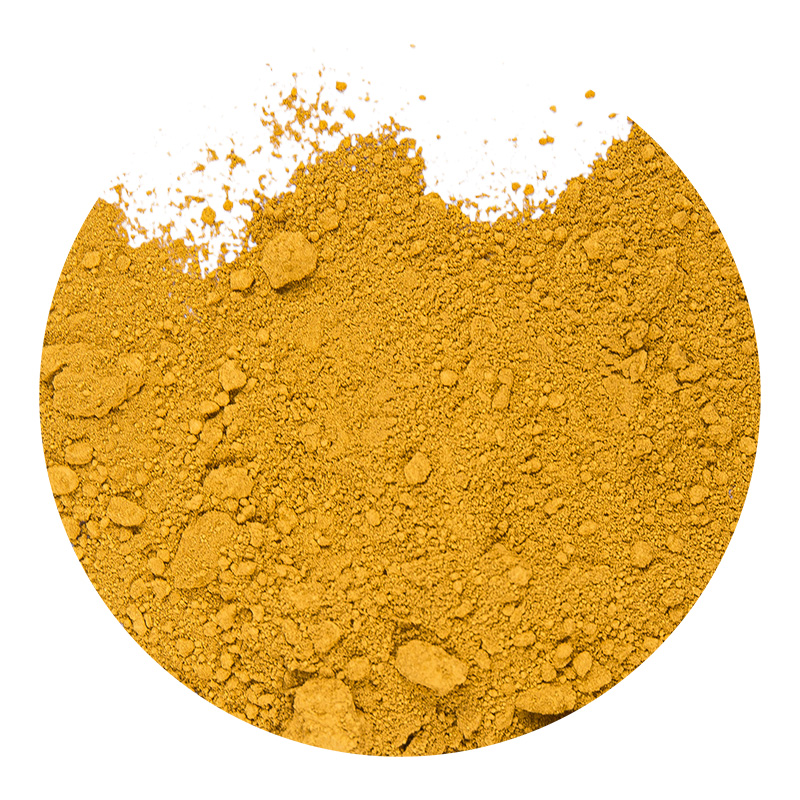
- Goethite (FeOOH) — an iron oxide hydroxide formed in the presence of water. It produces the yellow iron oxide pigment and is the compound most associated with common rust on steel surfaces.
In everyday terms, when iron rusts in the presence of air and moisture, it first forms goethite (yellow-brown rust), which over time converts to hematite (red-brown rust). The chemistry of this transformation is why raw iron oxide powders span the full warm spectrum from yellow through orange, red, and brown to black.
How to Mix Iron Oxide Powder Correctly
Mixing iron oxide powder is straightforward but requires attention to dosage, dispersion method, and the medium it is being added to. Poor dispersion leads to streaking, uneven color, and weak tint strength. The following guidance covers the most common mixing scenarios.
Mixing Into Concrete or Mortar
For concrete coloring, the standard dosage is 1–5% iron oxide powder by weight of cement. Going above 5–6% does not significantly deepen the color and wastes pigment. For a consistent result:
- Pre-mix the iron oxide powder with a small amount of dry cement or sand before adding it to the batch — this prevents clumping
- Add water gradually after the dry blend is combined
- Keep the water-to-cement ratio consistent across batches to avoid color variation
- Use the same pigment brand and batch number throughout a project, as slight variations between batches can cause visible color differences in finished concrete
A practical benchmark: 1 kg of red iron oxide pigment added to 100 kg of cement produces a medium terracotta tone. Doubling the pigment to 2 kg yields a deeper brick red.
Mixing Into Paint or Liquid Coatings
Iron oxide powder does not dissolve in water or solvents — it must be dispersed as a suspension. For paints and coatings:
- Start with a small amount of the liquid base (water, oil, or solvent) and mix the powder into it to form a paste before adding the full volume of liquid
- Use a mechanical mixer or high-shear disperser for consistent particle distribution — hand stirring often leaves agglomerates that appear as streaks in the dried film
- For water-based paints, add a drop of dish soap or a professional dispersant to the paste stage to improve wetting of the pigment particles
- Typical loading rates: 5–15% by weight for tinted paints; up to 30% for pigment-rich primers and oxide coatings
Mixing Into Soap, Resin, or Cosmetic Bases
In soap making and cosmetic formulation, iron oxide powders must be pre-dispersed in a small amount of oil before being blended into the base. This prevents dry pigment dots from forming in the finished product. The recommended ratio is 1 part iron oxide to 3 parts lightweight oil (such as fractionated coconut oil or sweet almond oil). Mix thoroughly until no dry powder remains visible before incorporating into the soap or cosmetic base.
For UV resin or epoxy applications, disperse the powder in a drop of the resin hardener before mixing into the main resin body. This ensures even color throughout the cured piece without streaking.
Is Iron Oxide Powder Bad for You?
Iron oxide powder is generally regarded as low-toxicity and is approved for use in food contact materials, cosmetics, and pharmaceutical coatings by major regulatory bodies including the FDA (21 CFR 73.1200) and the European Food Safety Authority (E172). However, the safety profile depends heavily on the form of exposure and particle size.
Inhalation Risk
The primary occupational hazard is inhalation of fine iron oxide dust. Repeated, heavy inhalation over many years has been associated with siderosis — a benign pneumoconiosis (lung condition) characterized by iron particle deposits in lung tissue. Unlike silicosis or asbestosis, siderosis does not typically cause progressive fibrosis or significant functional impairment, but it is still considered an occupational disease worth preventing. OSHA sets the permissible exposure limit (PEL) for iron oxide fume at 10 mg/m3 as an 8-hour time-weighted average.
For occasional hobbyist or craft use, the risk from inhalation is very low. For regular industrial use, an N95 respirator or equivalent dust mask is recommended whenever handling loose powder in open air.
Skin and Eye Contact
Iron oxide powder is not a skin irritant and does not penetrate the skin. It is a primary ingredient in mineral makeup precisely because of its skin compatibility. Eye contact with fine powder may cause mechanical irritation and should be rinsed with water. No chemical burn risk is associated with iron oxide at standard pigment grades.
Ingestion
Iron oxide is used as a colorant in pharmaceutical tablet coatings and is considered safe for incidental ingestion at pigment-level quantities. It is not bio-available as an iron supplement — it passes through the digestive system without significant absorption.
Choosing the Right Iron Oxide Powder Grade
Iron oxide powders are sold in different grades depending on purity requirements and intended use. Using the wrong grade can affect performance and regulatory compliance:
- Industrial grade — standard purity (typically 95%+ Fe2O3), suitable for concrete, paints, and ceramics. Most cost-effective option for high-volume construction use.
- Cosmetic grade — higher purity with strict limits on heavy metal contaminants (lead, arsenic, mercury). Required for any skin-contact application including makeup, soap, and personal care products. Verify certificates of analysis (CoA) from suppliers showing compliance with USP or EU cosmetic regulations.
- Food/pharmaceutical grade — the highest purity specification, meeting pharmacopoeial standards. Used for tablet coatings, food decoration, and medical device applications.
Always request a CoA when sourcing iron oxide for cosmetic or food-adjacent applications. Industrial-grade iron oxide may contain heavy metal impurities that exceed safe limits for skin or ingestion use.
Storage and Shelf Life
Iron oxide powder is chemically stable and has a virtually unlimited shelf life when stored correctly. It does not react with air under normal conditions and does not expire. The key storage requirements are:
- Keep containers sealed to prevent moisture absorption, which can cause powder to clump and affect dispersibility
- Store away from direct sunlight — although iron oxide itself is UV-stable, packaging can degrade under prolonged UV exposure
- Keep away from strong acids, which can dissolve iron oxide and change its chemical composition
- Store black iron oxide (magnetite) away from strong magnetic fields in manufacturing environments to prevent unintended magnetic aggregation