English
 عربى
عربى русский
 Español
Iron oxide powder is a group of chemical compounds composed of iron and oxygen, produced either naturally from iron-rich minerals or synthetically for industrial and commercial use. It is safe in most applications — including cosmetics and food contact materials — when used within regulated limits. It has dozens of practical uses spanning construction, art, cosmetics, and industrial coatings, and it comes in a range of colors depending on its chemical form.
Are Iron Oxides Safe?
Yes — iron oxides are broadly recognized as safe by major regulatory bodies worldwide, including the U.S. Food and Drug Administration (FDA) and the European Food Safety Authority (EFSA). The key is context: form, particle size, and exposure route all matter.
- Cosmetics: The FDA permits iron oxides in cosmetics applied to the face, lips, and eyes (21 CFR 73.2250). They are among the most commonly used colorants in foundation, eyeshadow, blush, and lipstick globally. The EU Cosmetics Regulation (EC No 1223/2009) lists them as approved colorants under CI 77489, CI 77491, CI 77492, and CI 77499.
- Food use: Iron oxides are approved as food colorants in the EU (E172) for use in specific foods such as olive pastes and salmon substitutes. The FDA has not broadly approved them as direct food additives in the U.S., though they are permitted in certain drug coatings.
- Industrial environments: Inhalation of fine iron oxide dust over long periods is associated with a condition called siderosis — a form of pneumoconiosis (lung disease) caused by iron dust accumulation. It is generally considered benign compared to silica or asbestos exposure, but respiratory protection (N95 or higher) is recommended in dusty production or processing environments.
- Nano-sized particles: Nano iron oxides (under 100 nm) used in biomedical applications such as MRI contrast agents are subject to separate safety assessments. They are not the same as bulk pigment-grade powders.
In summary: cosmetic-grade and pigment-grade iron oxide powders are safe for their intended uses. The primary risk comes from prolonged inhalation of fine dust in occupational settings, not from skin contact or ingestion at regulated levels.
Which Iron Oxide Is Black?
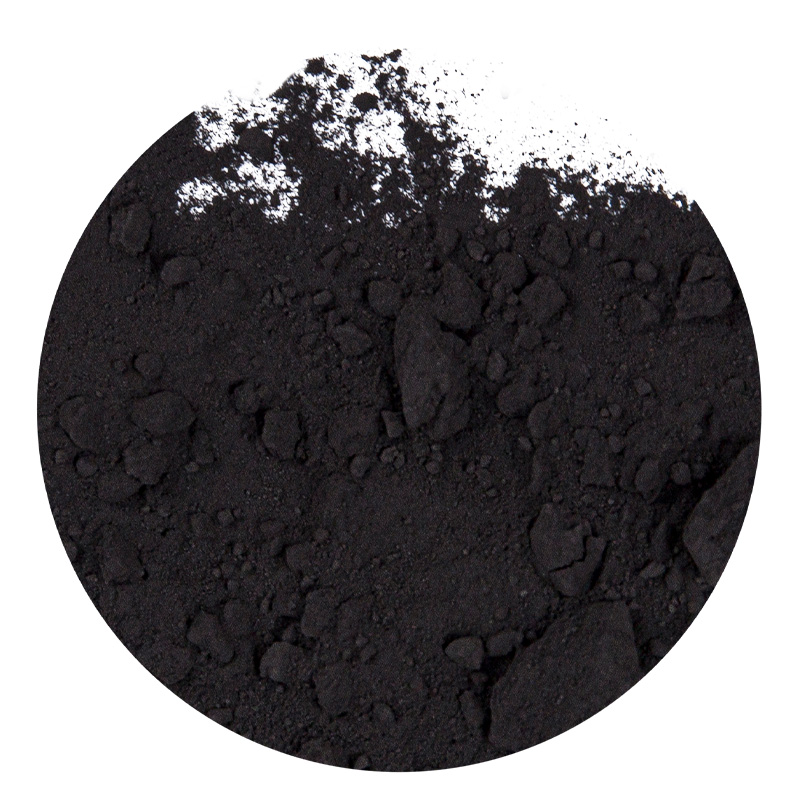
Black iron oxide is magnetite — Fe₃O₄ (iron(II,III) oxide). It is a mixed-valence oxide containing both Fe²⁺ and Fe³⁺ ions in its crystal structure, which gives it its characteristic deep black color and magnetic properties.
Understanding the color-to-compound relationship is essential when sourcing or working with iron oxide pigments:
| Color | Compound | Chemical Formula | CI Number | Common Name |
|---|---|---|---|---|
| Black | Iron(II,III) oxide | Fe₃O₄ | CI 77499 | Magnetite, Black iron oxide |
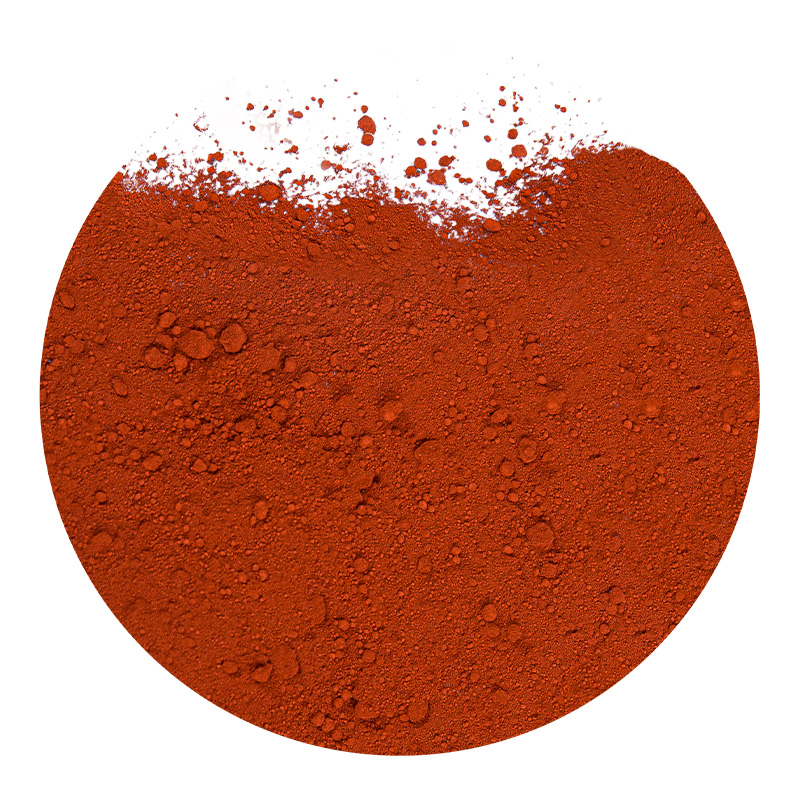
| Red | Iron(III) oxide (hematite) | Fe₂O₃ | CI 77491 | Hematite, Red ochre |
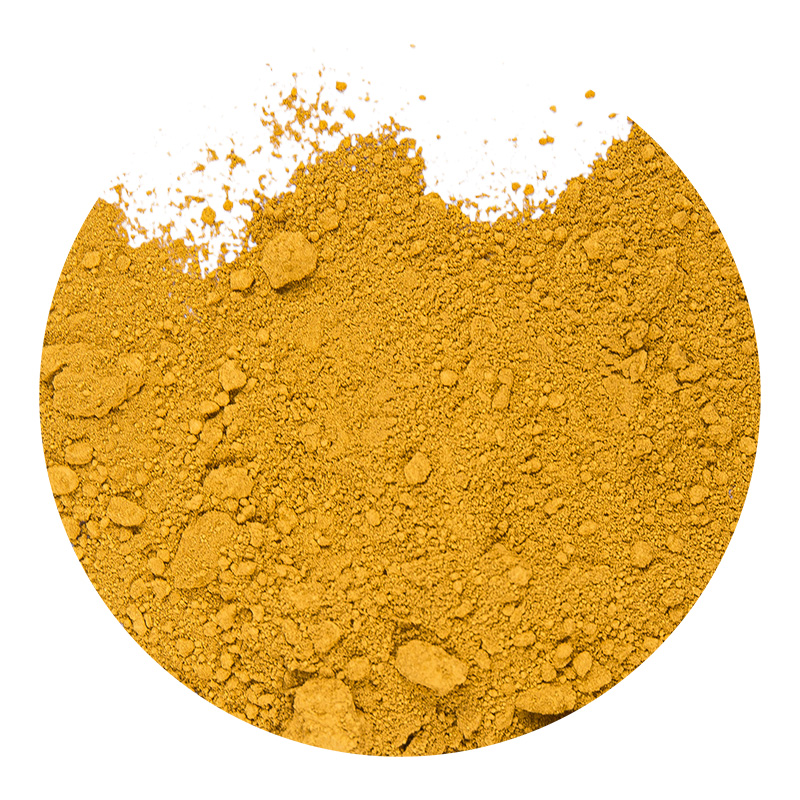
| Yellow | Iron(III) oxide-hydroxide | FeO(OH) | CI 77492 | Goethite, Yellow ochre |
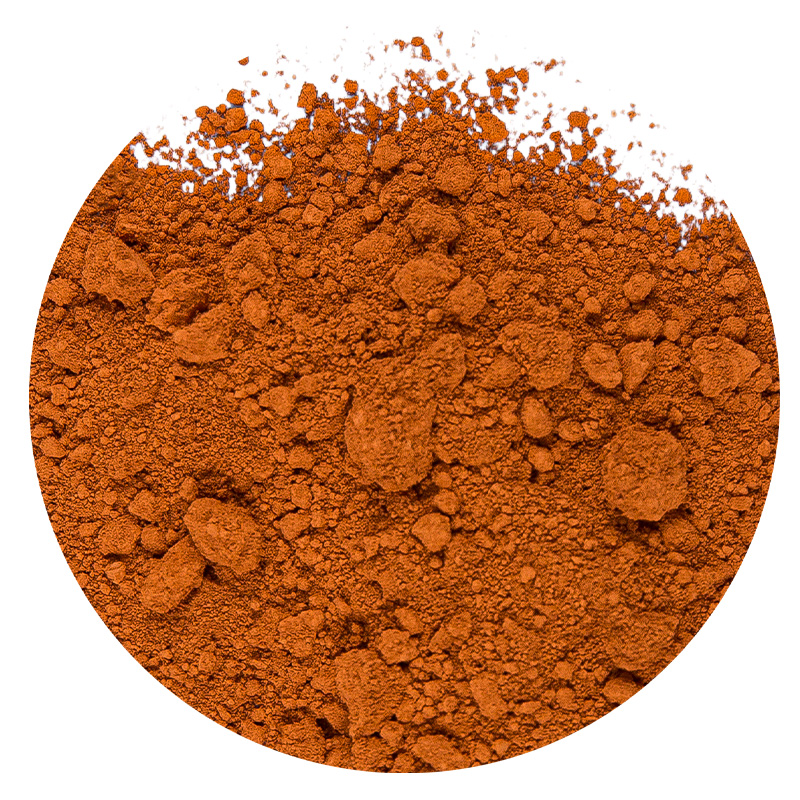
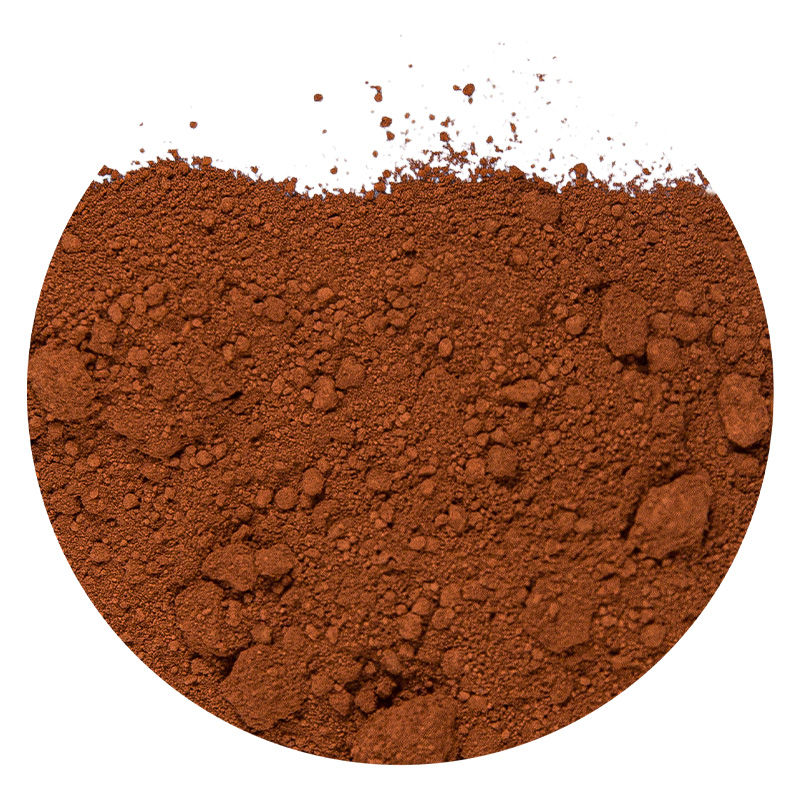
| Orange/Brown | Mixed iron oxides | Fe₂O₃ variants | CI 77491 | Mars orange, Burnt sienna |
| Brown | Hydrated iron oxide | Fe₂O₃·H₂O | CI 77489 | Mars brown, Iron oxide brown |
Black iron oxide (Fe₃O₄) is notable for two reasons beyond color:
- It is ferrimagnetic — it responds to magnetic fields, making it uniquely useful in magnetic recording media, ferrofluids, and biomedical applications.
- When heated above approximately 300°C in an oxidizing environment, Fe₃O₄ converts to Fe₂O₃ (red iron oxide), which is important to understand in high-temperature applications like kiln-fired ceramics and cement.
Does Iron Oxide Have Any Uses?
Iron oxide powder is one of the most versatile inorganic compounds in industrial and commercial use. Below are the major application categories with specific examples.
Construction and Concrete Pigmentation
This is the single largest use of synthetic iron oxide powder globally. According to industry estimates, over 300,000 tonnes of synthetic iron oxide pigment are consumed annually in construction applications worldwide. It is used to color:
- Concrete blocks, pavers, and precast panels
- Roofing tiles and clay bricks
- Cement-based renders and mortars
- Asphalt and tarmac (iron oxide is highly UV-stable and does not fade like organic pigments)
Typical dosage in concrete: 1–5% by weight of cement, with red and yellow being most common for terracotta and sandstone effects.
Paints, Coatings, and Primers
Red iron oxide (Fe₂O₃) is the active ingredient in traditional red oxide metal primers. It provides mild passivation of steel surfaces. Modern alkyd and epoxy primers often still incorporate iron oxide at 10–30% pigment volume concentration (PVC) for corrosion resistance, UV stability, and opacity.
- Anti-corrosion primers for structural steel and marine applications
- Decorative exterior paints (iron oxide pigments are lightfast — they do not degrade under UV exposure the way organic dyes do)
- Industrial floor coatings
Cosmetics and Personal Care
Iron oxides are foundational colorants in makeup formulation. The three primary types — red (CI 77491), yellow (CI 77492), and black (CI 77499) — are blended together to achieve the full range of skin tones used in foundations, concealers, and tinted moisturizers.
- Foundation and concealer: Iron oxides mixed with titanium dioxide produce all natural skin tone shades from porcelain to deep ebony.
- Eyeshadow and eyeliner: Black iron oxide is the primary pigment in black eyeliner and mascara alternatives in mineral cosmetics.
- Mineral sunscreens: Some iron oxide pigments provide additional protection against visible light (VL) and high-energy visible (HEV) light — useful for patients with melasma or photosensitive skin conditions.
Ceramics and Pottery
Iron oxide is one of the oldest ceramic colorants. In glaze chemistry:
- Red iron oxide at 1–3% produces celadon greens in reduction firing atmospheres
- At 5–10%, it produces tenmoku and iron-saturate browns and blacks
- Black iron oxide produces distinctive matte blacks and is used in stoneware and porcelain body staining
Biomedical and Advanced Technology
Nano-scale iron oxide particles (SPIONs — superparamagnetic iron oxide nanoparticles) are at the frontier of medical research:
- MRI contrast agents: Fe₃O₄ nanoparticles improve soft-tissue contrast in magnetic resonance imaging
- Targeted drug delivery: Magnetic nanoparticles can be guided to tumor sites using external magnetic fields
- Magnetic hyperthermia: SPIONs can be heated by alternating magnetic fields to destroy cancer cells
How to Make Iron Oxide Powder
There are several routes to producing iron oxide powder, ranging from simple DIY methods to industrial synthesis. The method determines the particle size, purity, color consistency, and intended use.
Natural Extraction (Mining and Processing)
Natural iron oxides — ochres and umbers — are mined from iron-rich mineral deposits, then:
- Crushed and ground to the required particle size (typically 1–10 microns for pigment use)
- Washed to remove soluble impurities
- Calcined (heat-treated) at 400–800°C to adjust color and reduce moisture content
Natural grades have less consistent color than synthetic grades and may contain impurities including manganese, silica, and aluminum oxides. They are still widely used in artists' pigments and construction.
Synthetic Production: The Laux Process
The Laux process is the dominant industrial method for producing yellow iron oxide (FeO(OH)) and subsequently red iron oxide (Fe₂O₃). It involves:
- Oxidation of metallic iron (typically scrap iron or iron powder) in the presence of aniline and nitrobenzene in an aqueous acid medium
- The reaction produces yellow iron oxide precipitate alongside aniline, which is recovered and recycled
- Calcination of the yellow product at approximately 500–700°C converts it to red iron oxide (Fe₂O₃)
- Black iron oxide (Fe₃O₄) is produced by controlled partial reduction or co-precipitation
Precipitation Method (Lab and Small Scale)
A simpler precipitation route suitable for lab, art studio, or small-batch production:
- Dissolve iron(II) sulfate (FeSO₄) or iron(III) chloride (FeCl₃) in water
- Slowly add sodium hydroxide (NaOH) solution to precipitate iron hydroxide
- Control pH (target pH 8–10) and oxidation conditions (air bubbling or hydrogen peroxide addition) to determine which iron oxide phase forms
- Filter, wash, and dry the precipitate at 80–120°C
- Grind to desired particle size using a ball mill or mortar and pestle for small batches
Basic DIY Method (Rust Conversion)
The simplest way to produce crude red iron oxide at home is controlled rusting:
- Leave clean steel wool or iron filings exposed to air and moisture (spray with saltwater to accelerate)
- After several days, rust (a mixture of Fe₂O₃ and FeO(OH)) forms on the surface
- Scrape, dry, and grind the rust to a fine powder
- For a more consistent red, heat the powder in an oven at 300–400°C for 1–2 hours to fully convert to anhydrous Fe₂O₃
This method produces an impure, variable product suitable only for decorative or craft use — not for cosmetics, food, or precision industrial applications.
What to Look for When Buying Iron Oxide Powder
Whether you're sourcing for construction pigmentation, cosmetic formulation, or ceramic glazing, these specifications matter:
| Specification | What It Means | Recommended Range |
|---|---|---|
| Particle size (D50) | Median particle diameter — affects dispersion, tinting strength, and surface finish | 0.1–1 µm (cosmetics); 1–5 µm (construction/coatings) |
| Tinting strength | Pigment's ability to color a white base — higher is more efficient | 100–120% (relative to standard) |
| Oil absorption | Amount of oil needed to wet the pigment — affects formulation viscosity | 15–35 g/100g for most grades |
| Heavy metal content | Impurity levels of lead, arsenic, mercury — critical for cosmetic grades | Lead <20 ppm (EU cosmetics); Arsenic <3 ppm |
| Moisture content | Excess moisture causes clumping and inconsistent dispersion | <1% for most applications |