English
 عربى
عربى русский
 Español
Iron Oxide Powder Purity and Quality Standards: A Practical Buyer's Guide
Content
A buyer receives a certificate of analysis (COA) for iron oxide red powder with a Fe2O3 content of 95.6%. The pigment still fails in production because it generates foam, leaves water-soluble salts on the surface, and cannot hold a consistent shade after two months outdoors. The COA did not reflect what the production line needed.
The conclusion is direct: iron oxide powder purity and quality standards are not limited to the percentage of iron oxide. They combine chemical composition, physical characteristics, and regulatory compliance. For manufacturers, evaluating these factors together prevents costly mismatches.
What Does "Purity" Really Mean for Iron Oxide Powder?
Purity in iron oxide powder rarely means "100% Fe2O3." High-purity synthetic pigments typically contain 90–96% active iron oxide, with the remainder being moisture, water-soluble salts, and trace elements from raw materials. Natural iron oxides may fall below 85% depending on the ore source.
The useful distinction is between chemical purity and functional quality. Fe2O3 content matters, but a powder with slightly lower Fe2O3 and a tight particle size distribution can outperform a nominally purer product with wide particle variation. In coatings, for example, particle shape and surface chemistry affect tinting strength and dispersion more than a single assay number.
Synthetic iron oxide powders are manufactured from ferrous sulfate or iron ore through precipitation, so their impurity profile is more controllable. Natural iron oxides are mined and refined and can contain silica, alumina, or clay. As a result, synthetic products are usually preferred when consistency and heavy metal limits are critical.
Key Quality Parameters You Should Be Watching
When you evaluate an iron oxide powder, look beyond the headline percentage. The following parameters determine whether a pigment behaves predictably in your process.
Chemical Purity and Heavy Metal Limits
The active oxide content must stay consistent from lot to lot. For red and yellow pigments, that means Fe2O3; for black, Fe3O4. Water-soluble salts should be low because they can cause efflorescence in concrete or surface defects in paints. Heavy metals such as lead, arsenic, cadmium, and mercury are tightly controlled in food-contact and cosmetic applications. As an example, EU specifications for E172 require arsenic below 3 mg/kg, lead below 10 mg/kg, and mercury and cadmium below 1 mg/kg. FDA regulations set similar boundaries for color additives in 21 CFR 73.
Physical Properties That Affect Performance
Particle size distribution is the most common source of hidden problems. A pigment with a wide D50 range may show poor color strength and uneven dispersion. In a typical paint formulation, a pigment with a D50 of 0.2–0.5 µm will develop color faster than one with a D50 above 1 µm, even if the Fe2O3 content is identical. Oil absorption affects binder demand in paints, while specific surface area influences process viscosity. For micronized grades, particle size control is even more important, as it directly impacts transparency and gloss.
Stability and Weather Resistance
Quality standards also cover stability. Iron oxide pigments should resist heat during plastic processing, tolerate UV exposure in exterior coatings, and remain stable in alkaline cement. Yellow iron oxide is generally less heat-stable than red or black, so a plastics application may require a yellow grade with specified thermal behavior. The ISO 1248 test for resistance to heat uses a defined temperature–time protocol, which helps buyers compare products from different suppliers.
Quality Standards, Grades, and Regulatory Limits
The same pigment chemistry can serve different markets if it meets the relevant grade requirements. A concrete-grade pigment does not have to satisfy cosmetic purity limits, while a food-grade E172 pigment need not have the same oil absorption profile as a coatings pigment. Checking the intended grade against your application prevents over-specification or under-specification.
| Grade | Main quality drivers | Typical checks |
|---|---|---|
| Construction and concrete | Alkali resistance, shade stability in cement | Fe2O3 content, water-soluble salts |
| Paints and coatings | Tinting strength, weather resistance, dispersion | Particle size distribution, oil absorption, heavy metals |
| Plastics and rubber | Heat stability, low volatiles, easy wetting | Moisture, thermal analysis, heavy metal content |
| Food and cosmetics (E172) | Toxicological safety, low heavy metals, insolubility | Pb, As, Cd, Hg limits per EU or FDA rules |
The standards that appear in most iron oxide specifications include:
- ISO 1248 – general specification for iron oxide pigments
- ASTM D387 – test method for color strength of chromatic pigments
- EN 12878 – pigment used for coloring cement-based building materials
- EU E172 – identity and purity criteria for food-grade iron oxides
- FDA 21 CFR 73 – color additives for food, drugs, and cosmetics
Why Purity and Quality Standards Differ by Application
One powder cannot be the best choice for every job. The mechanism is simple: each process environment stresses a different property.
Construction and Concrete
Concrete pigments need strong alkali resistance and low water-soluble salt content. The pigment must survive high pH during hydration without changing shade. Color consistency between batches is critical because concrete is produced in large volumes and shade differences become visible across a building. Iron oxide red is the most common color for concrete tiles and pavers, and a red grade that has been milled to a stable particle size is often the easiest way to get predictable concrete color. For a typical construction-grade red, the iron oxide red pigment should be evaluated for Fe2O3 content and water-soluble salt levels before trial mixing.
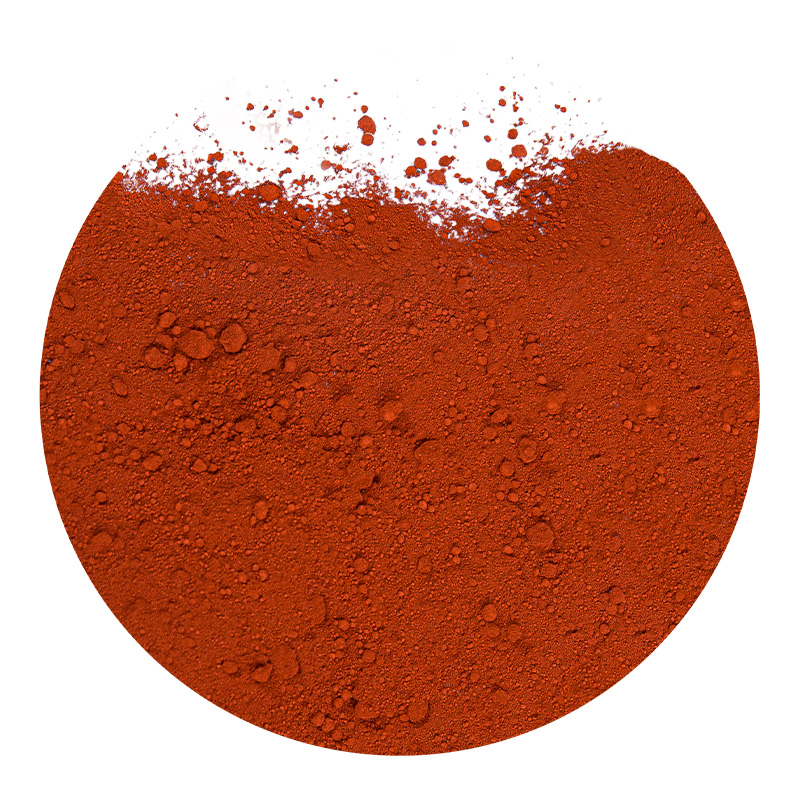 Red Iron Oxide Suppliers, Custom Red Oxide Pigment PowderDeqing Demi: China Red Iron Oxide, Red Oxide Pigment Powder Manufacturers, Suppliers, Factory, We Wholesale Custom Iron Oxide Red Powder ...View Product →
Paints, Coatings, and Plastics
In paints and coatings, lightfastness and weather resistance determine whether a color lasts outdoors. Dispersion quality affects gloss, hiding power, and flocculation. In plastics, the critical issue is thermal stability during extrusion or injection molding. Yellow iron oxide, for example, can lose color strength when processed above 180–200°C. A grade designed for plastics should have controlled moisture and volatiles to avoid surface defects. Buyers working with masterbatch often choose a synthetic yellow iron oxide powder with a narrow particle size and confirmed heat stability.
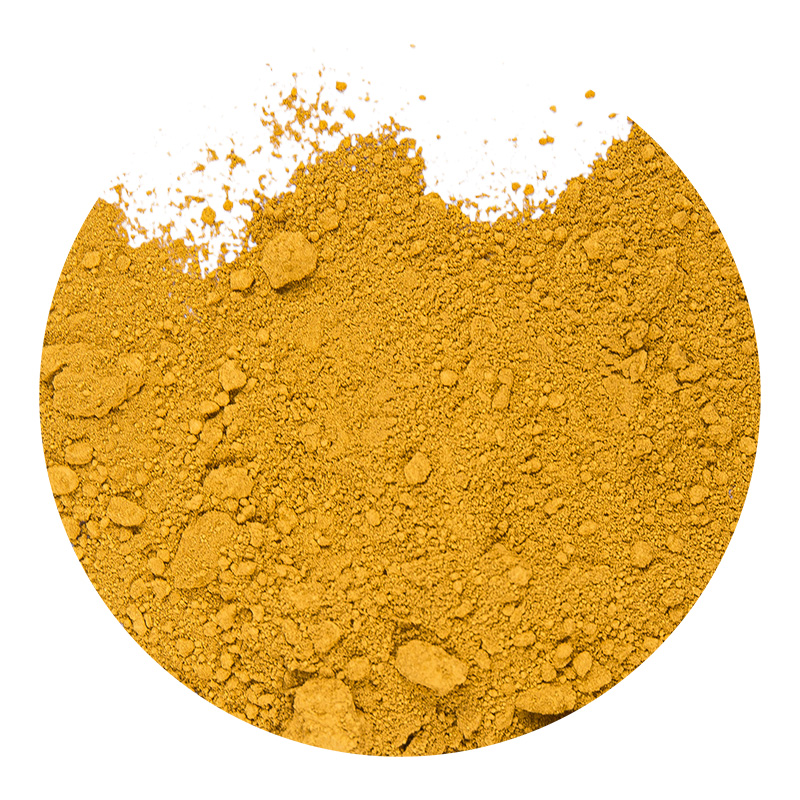 Custom Yellow Oxide Powder, Iron Oxide Yellow Pigment SuppliersDeqing Demi: China Yellow Oxide Powder, Iron Oxide Yellow Pigment Manufacturers, Suppliers, Factory, We Wholesale Custom Iron Oxide Yello...View Product →
Food, Cosmetic, and Specialty Uses
Food and cosmetic applications are governed by purity limits, not only functional properties. E172 pigments must be nearly insoluble and contain very low heavy metals. Cosmetic-grade pigments are usually washed thoroughly to remove soluble salts and other impurities. Black iron oxide used in eyeshadows and eyeliners must comply with FDA 21 CFR 73.200 and similar global rules. If you need a specialty grade for color cosmetics, the high-purity black iron oxide pigment should come with a certificate that documents heavy metal content and a clear regulatory status.
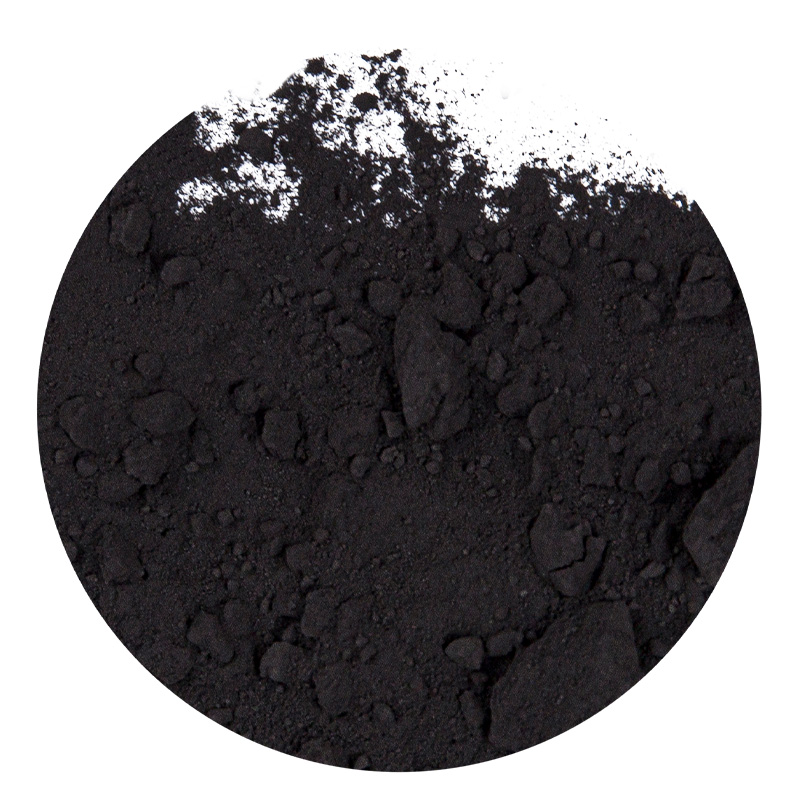 Custom Black Oxide Powder, Black Iron Oxide Pigment SuppliersDeqing Demi: China Black Oxide Powder, Black Iron Oxide Pigment Manufacturers, Suppliers, Factory, We Wholesale Custom Iron Oxide Black E...View Product →
How to Verify a Supplier’s Quality Claims
A COA is useful, but it is not proof that your production line will run smoothly. The following checks reduce risk when you select a supplier.
- Ask for a COA for the exact lot, not a typical value from the brochure.
- Confirm test methods. X-ray fluorescence (XRF) or ICP-OES for heavy metals and laser diffraction for particle size are industry-standard.
- Run a small batch trial before committing to a large order. Compare tinting strength against your current reference pigment.
- Check batch-to-batch consistency by keeping a physical sample archive.
- Review the supplier’s production process, especially milling, classification, and surface treatment steps.
For a more detailed walkthrough of the selection process, you can read our guide to choosing the right iron oxide powder, which covers practical evaluation criteria. If your concern is heavy metal compliance, the heavy metal safety standards overview explains how limits vary by region and application. And to see where these pigments are used across our product portfolio, visit the application pages.
Conclusion
Iron oxide powder purity and quality standards go far beyond a single percentage. They include chemical purity, particle size, stability, and regulatory limits for the intended market. The most reliable approach is to define your process requirements first, then compare the supplier’s COA, test methods, and production controls against those requirements. That method turns a one-dimensional purity number into a complete quality picture.