English
 عربى
 русский
 Español
Iron Oxide Brown 686: Technical Parameters Buyers Should Review Before Ordering
Content
- 1 What Iron Oxide Brown 686 Actually Is
- 2 The Technical Parameter Sheet: Read These First
- 3 What Each Parameter Means for Your Production
- 4 Why Batch-to-Batch Consistency Matters More Than a Single Certificate
- 5 Matching Brown 686 to Your Application
- 6 Final Ordering Checklist
- 7 Frequently Asked Questions
A precast concrete plant in the Middle East approved a delivery of Iron Oxide Brown 686 based on a three-line certificate: Fe2O3 content, moisture, and tinting strength. Six weeks later, an entire production run drifted from chocolate brown to a reddish bronze. The replacement pigment passed every incoming test exactly as the first lot had, yet the shade never matched.
That scenario repeats across concrete, coating, and plastic plants because a technical datasheet is read selectively. Iron Oxide Brown 686 is a composite pigment, which means the final shade is the sum of several base oxide phases, and each phase carries its own tolerance. This guide identifies the parameters that separate a routine shipment from a production problem, and it shows how to convert each number into an enforceable order condition.
What Iron Oxide Brown 686 Actually Is
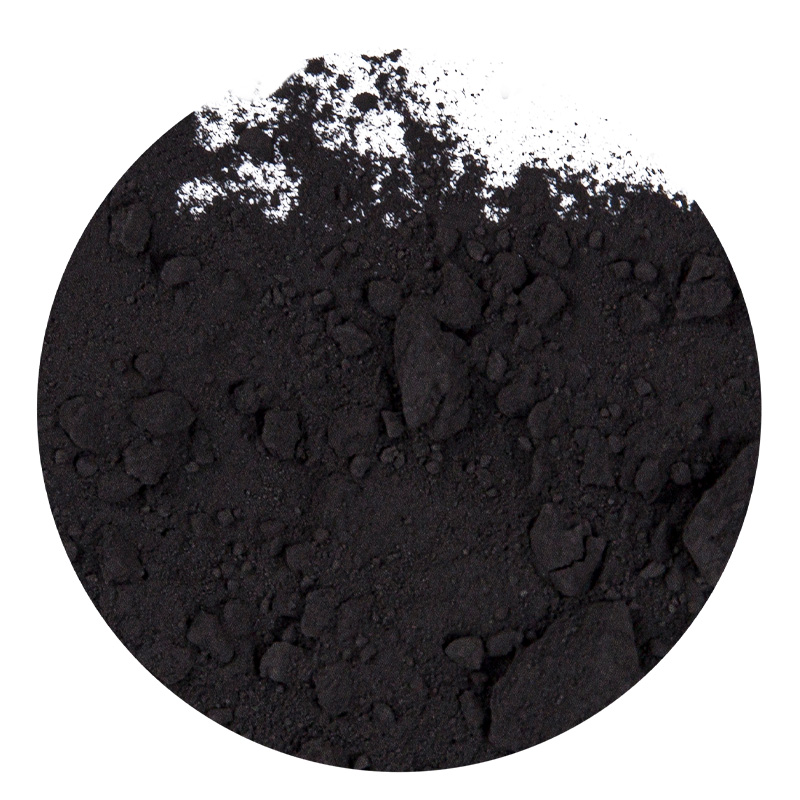
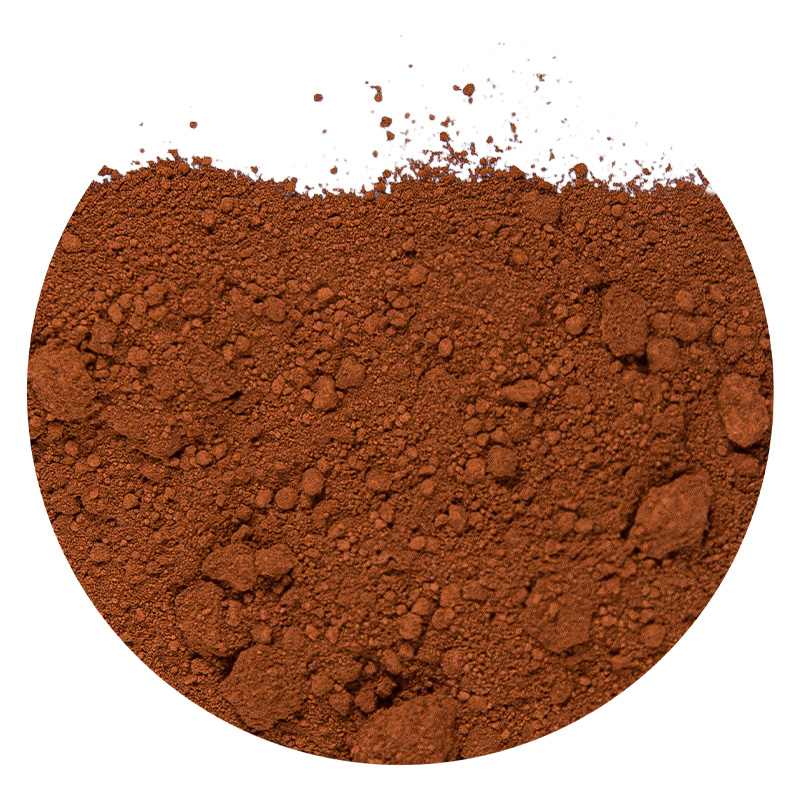
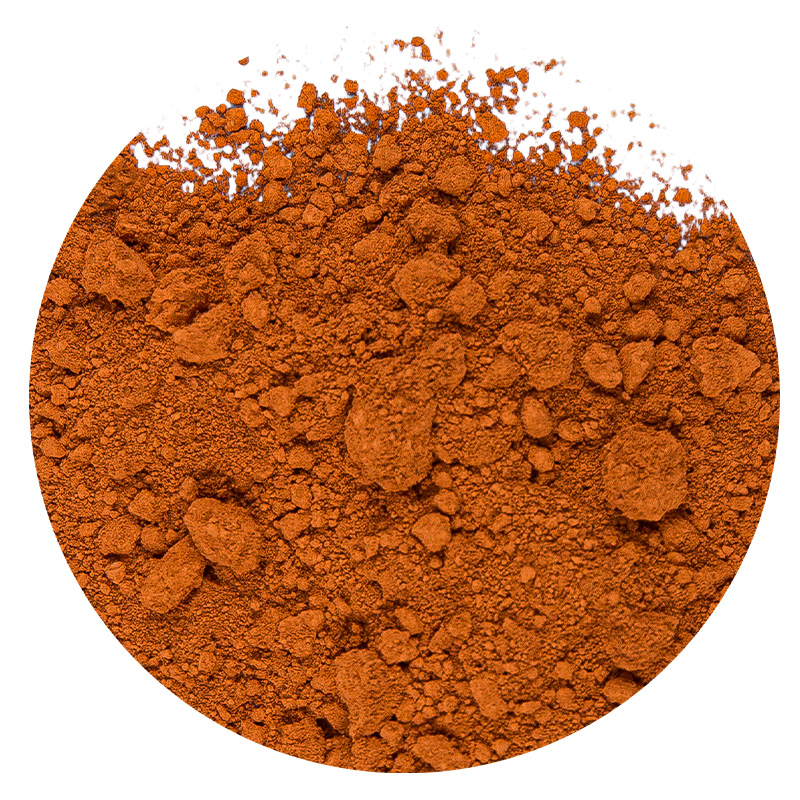
Iron Oxide Brown 686 is a synthetic composite iron oxide pigment produced by blending or co-precipitating red, yellow, and black iron oxide phases in a controlled ratio.
The composite structure gives you a warm, adjustable brown at a lower cost than a single-phase pigment, but it also creates a risk: any drift in one base oxide shifts the final hue. The yellow phase is the most sensitive component because it dehydrates and deepens when overheated, while the red phase carries the heat resistance and the black phase contributes the darker undertone. A stable brown therefore depends on the consistency of the individual raw oxides, not only on the final blending step.
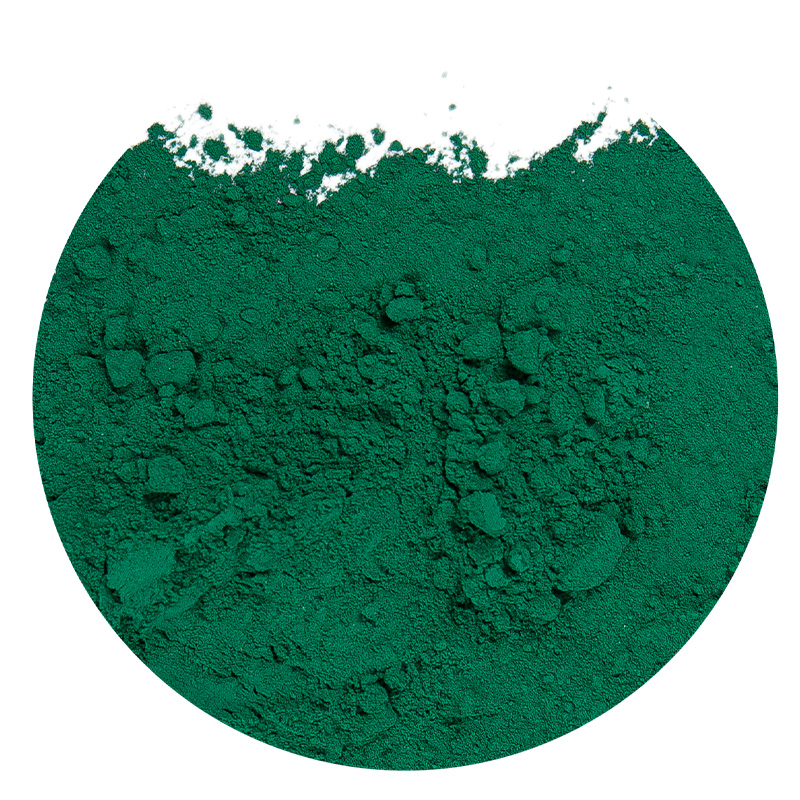
Deqing Demei Pigment Technology Co., Ltd. produces its brown grades from controlled iron oxide feedstocks and offers standard, micronized, and low heavy-metal series under the same product code. Buyers who depend on the yellow undertone should review the yellow phase specification before they approve the brown.
Indicative minimum Fe2O3 content across common iron oxide grades
Indicative of typical manufacturer declarations. Always verify with the batch-specific certificate of analysis.
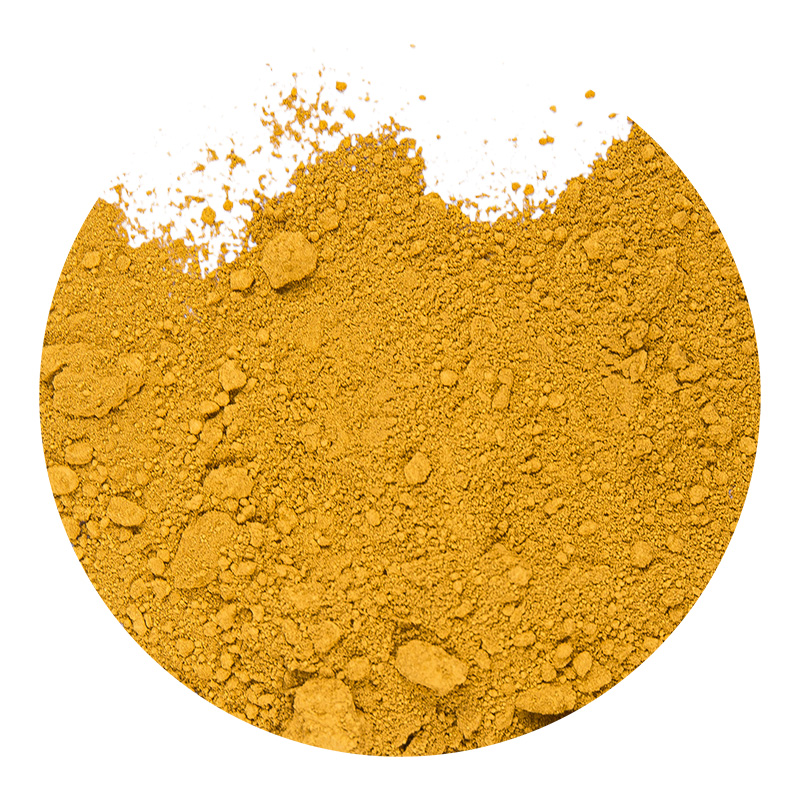 Iron Oxide Yellow Pigment for Concrete and CeramicsThis yellow oxide powder offers stable particle structure and broad compatibility with cement, resin, and rubber. Review its batch parameters to avoid color mismatches in large-scale concrete production.View Product →
The Technical Parameter Sheet: Read These First
Eight parameters determine most of Brown 686's production behavior, and buyers who review all eight before ordering avoid most color-mismatch problems that appear after dispatch.
| Parameter | Typical value | What it controls in your product |
| Fe2O3 content | 88% min | Color strength and pigment economy |
| Tinting strength | 95-105% of reference | Final shade match and dosage stability |
| Moisture (105 C loss on drying) | 0.5% max | Caking, dispersion, concrete water demand |
| pH (10% suspension) | 5.0-7.0 | Slurry stability, cement setting, paint pH |
| Oil absorption | 20-30 g/100g | Resin demand and paste rheology |
| Residue on 325 mesh | 0.3% max | Surface defects and filter clogging |
| Heat stability | up to 180 C continuous | Plastics, powder coating, curing ovens |
| D50 particle size | 0.3-0.6 um | Hiding power, dispersibility, gloss |
What Each Parameter Means for Your Production
Each parameter on the datasheet acts on a different point in your process, from the mixer to the curing oven, so the same value can be critical in one plant and irrelevant in another.
Tinting strength is the metric that most directly affects your color cost. A pigment at 98% instead of 100% of reference needs a slightly higher dosage to reach the same shade, and that difference multiplies across annual volume. Fe2O3 content matters for economy and opacity, while moisture is the hidden variable in concrete: every extra 0.5% water inside the pigment adds to mix-water demand, slows setting, and can contribute to efflorescence.
pH matters in cement and aqueous coatings because it interacts with binders and other pigments. Oil absorption controls how much resin a formulation must carry, so a brown above 35 g/100g oil absorption raises paste viscosity and forces a recipe rebalance.
Heat stability is the hard ceiling for plastics and powder coatings. The yellow phase in many browns dehydrates at sustained temperatures above about 180 C and shifts the shade toward red. If your curing oven runs at 200 C or higher, verify the exact lot's heat stability before committing the order. For continuous high-temperature processes, a pure iron oxide red is the safer fallback.
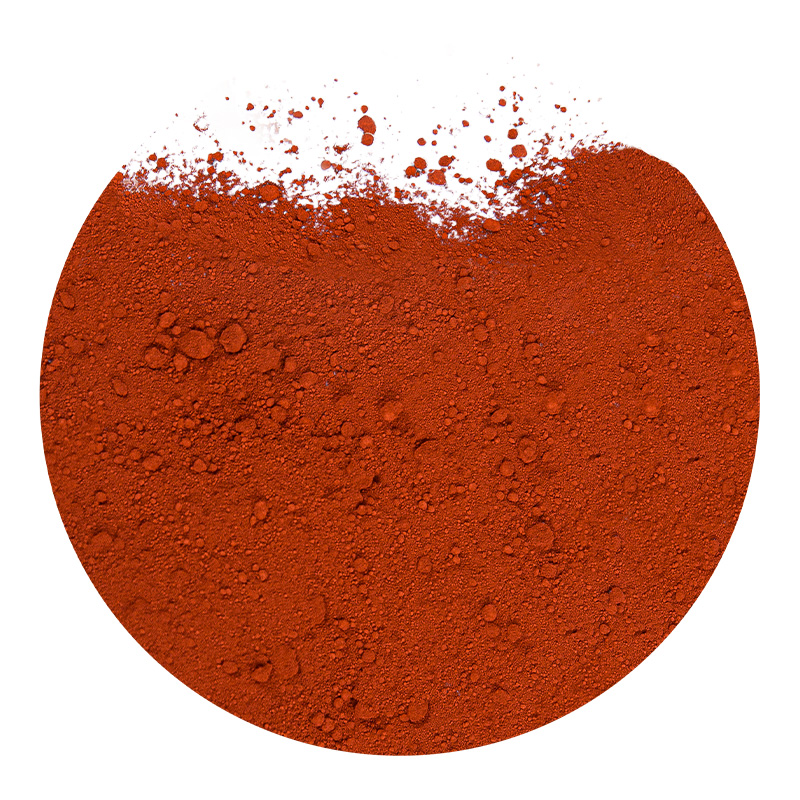 Iron Oxide Red Pigment with Stable Weather ResistanceFor high-temperature curing processes, this red oxide provides consistent color and weather resistance. Verify heat stability per lot, as sustained heat may shift shades in other brown pigments.View Product →
Why Batch-to-Batch Consistency Matters More Than a Single Certificate
A single passing certificate describes one lot; your production depends on the tenth and hundredth lot matching the first.
Composite pigments are especially vulnerable to drift because small changes in the yellow/red/black ratio are invisible in the powder state and appear only after dispersion in your binder. A supplier that controls the base-oxide ratio in-house is far more likely to hold the color difference below 1.5 dE across deliveries than a trader that re-blends purchased powders.
What the COA states
- Fe2O3 content 88% min
- Moisture 0.5% max
- Tinting strength 95-105%
- D50 0.3-0.6 um
What you should verify
- Tinting strength within 3 points of the approved reference
- Loss on drying at 105 C from three random bags
- Lab grind in your own resin or cement paste
- Fineness-of-grind gauge or sieve check
Matching Brown 686 to Your Application
Brown 686 is a multi-industry workhorse, but its useful applications are defined by heat stability, pH, and heavy-metal limits, so the same product code is not automatically right for every plant.
- Concrete and cement products: choose a near-neutral pH and low moisture; check the low heavy-metal series when the project requires environmental certifications.
- Architectural coatings: prioritize tinting strength and oil absorption because they control color consistency and resin demand in emulsion systems.
- Powder coatings and plastics: confirm the heat stability against your highest oven profile and consider a micronized variant for faster dispersion.
- Ceramics and colored glass: verify residue on 325 mesh and iron purity, since coarse refractory particles cause speckling after firing.
Before you lock the 686 code, compare it with 663 and 610 in your own formula; the differences in hue and tinting strength only become visible in a laboratory grind.
For process-specific selection criteria, review the application pages on this site.
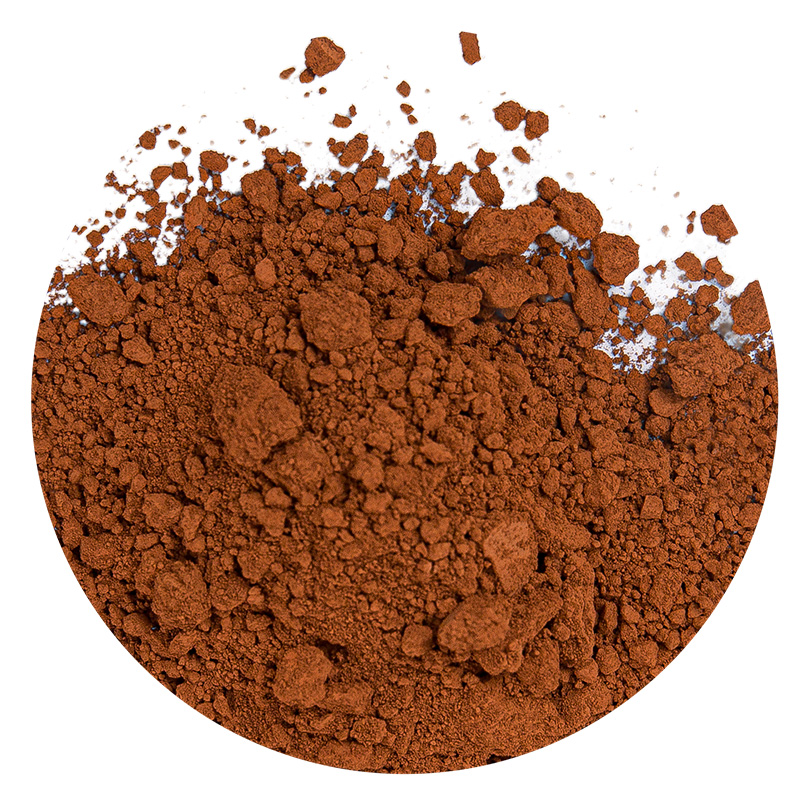 Iron Oxide Brown Pigment Compliant with ISO and REACHThis brown oxide delivers strong tinting strength and UV resistance, meeting ISO 10601 and REACH standards. Use the five-step checklist to turn its datasheet into contract conditions.View Product →
Final Ordering Checklist
Turn the datasheet into contract conditions with this five-step checklist before you confirm any order.
Request the batch-specific certificate of analysis, not a type certificate, and verify the lot number and date on it.
Write the acceptance limits, test methods, and sampling plan directly into the purchase order.
Ask for a sealed, labeled retained sample from the exact lot that will be shipped.
Run a laboratory batch with your own binder, cement, or resin before bulk dispatch.
Define the consequence of a failed incoming test: replacement, downgrade, or return with all costs borne by the supplier.
Frequently Asked Questions
What is the difference between Iron Oxide Brown 686 and Brown 663 or 610?
All three are composite brown iron oxides, but the ratio of yellow, red, and black phases differs, which changes the hue, tinting strength, and heat resistance. Brown 686 sits in the middle of the range with a balanced, warm brown profile. A laboratory grind in your own formula is the only meaningful comparison.
At what temperature does Iron Oxide Brown 686 change color?
Most composite browns tolerate continuous processing up to 180 C, with short peaks near 200 C depending on the formulation. Above that range, the yellow phase dehydrates and the shade moves visibly toward red. Processes above 220 C require a pure iron oxide red or a calcined grade.
Which parameters matter most for concrete applications?
Moisture, pH, and residue on 325 mesh matter most for concrete. High moisture raises water demand, extreme pH can disturb cement setting, and coarse residue creates visible surface specks. Tinting strength still matters, but the acceptable batch-to-batch window is slightly wider because the cement itself influences the final shade.
Can I rely on the manufacturer's COA without in-house testing?
Treat the COA as a declaration, not a guarantee. Buyers who test tinting strength, moisture, and residue on every delivery catch non-conforming lots before they reach production. Add retained samples from each lot, and the COA becomes a useful document instead of a paper shield.