English
 عربى
عربى русский
 Español
Assessing the Blue Light and Visible Light Protection Efficacy of Iron Oxide Black Pigment in Cosmetics
Content
- 1 I. The Evolving Role of Pigments in Cosmetic Science
- 2 II. Mechanism of Action: Iron Oxide as a Broadband Shield
- 3 III. Critical Factors: Particle Size and Dispersion Quality
- 4 IV. Dosage and Safety: Defining Effective Concentration
- 5 V. Quality Assurance and Sourcing for Formulators
- 6 VI. The Dual Function of Pigmentation
- 7 VII. Frequently Asked Questions (FAQs)
- 7.1 Q1: Do iron oxides fully replace traditional UV filters (Zinc Oxide/Titanium Dioxide) for sun protection?
- 7.2 Q2: What is the main benefit of using micronized iron oxide UV Vis shielding comparison technology?
- 7.3 Q3: How is the optimal iron oxide concentration visible light protection determined in a product?
- 7.4 Q4: Why is sourcing low heavy metal iron oxide pigment safety cosmetic grade so important?
- 7.5 Q5: Does using iron oxide black pigment provide better Blue Light protection than iron oxide red or yellow?
I. The Evolving Role of Pigments in Cosmetic Science
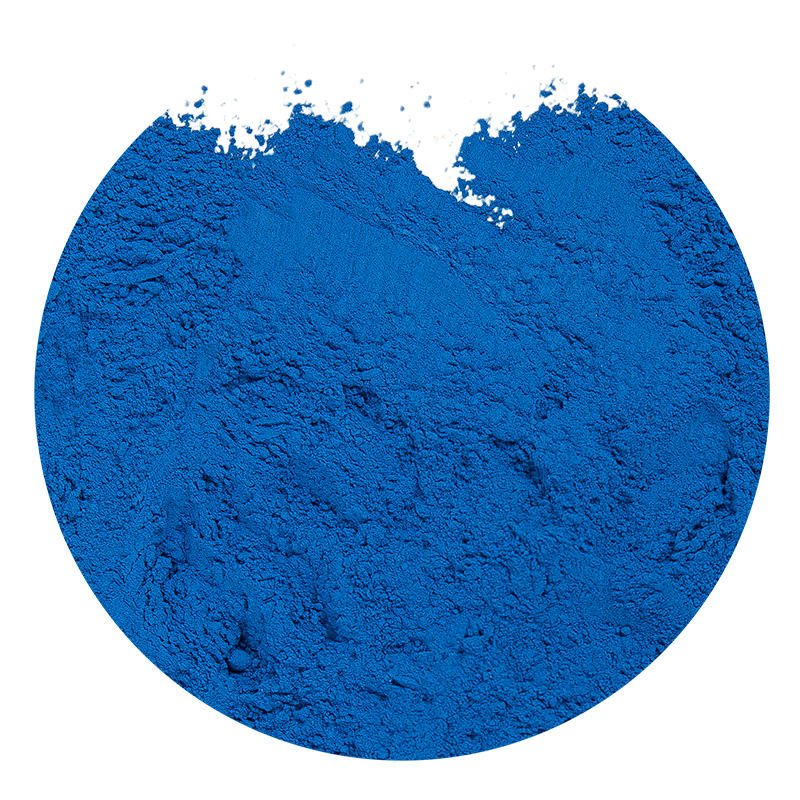
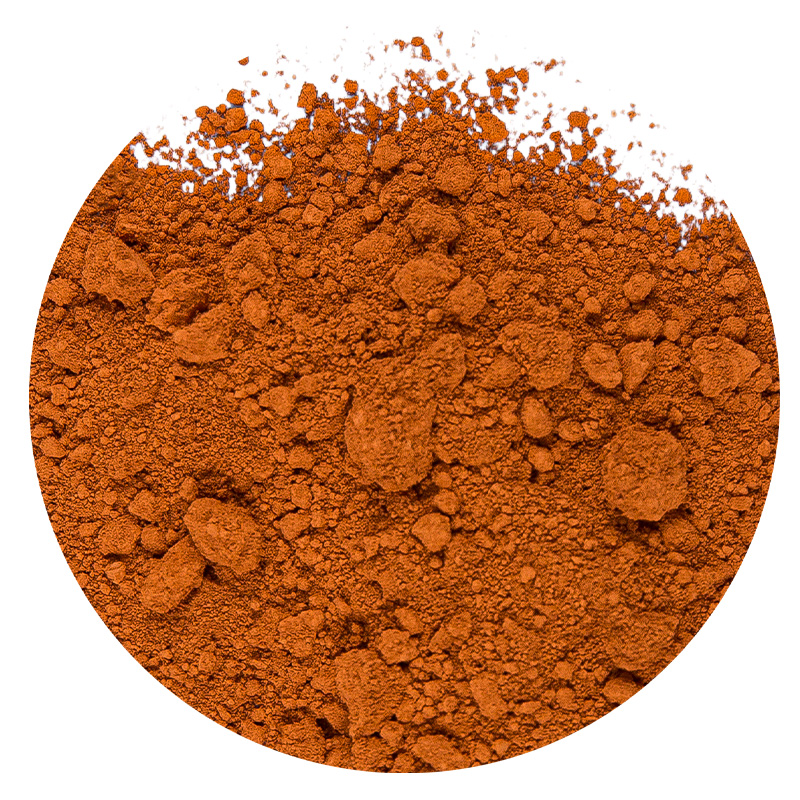
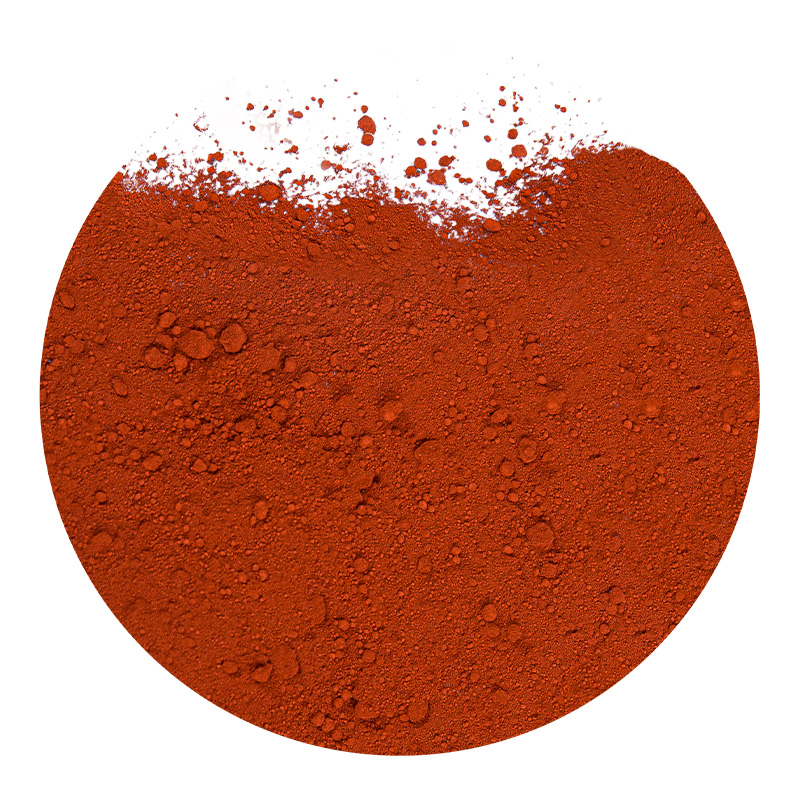
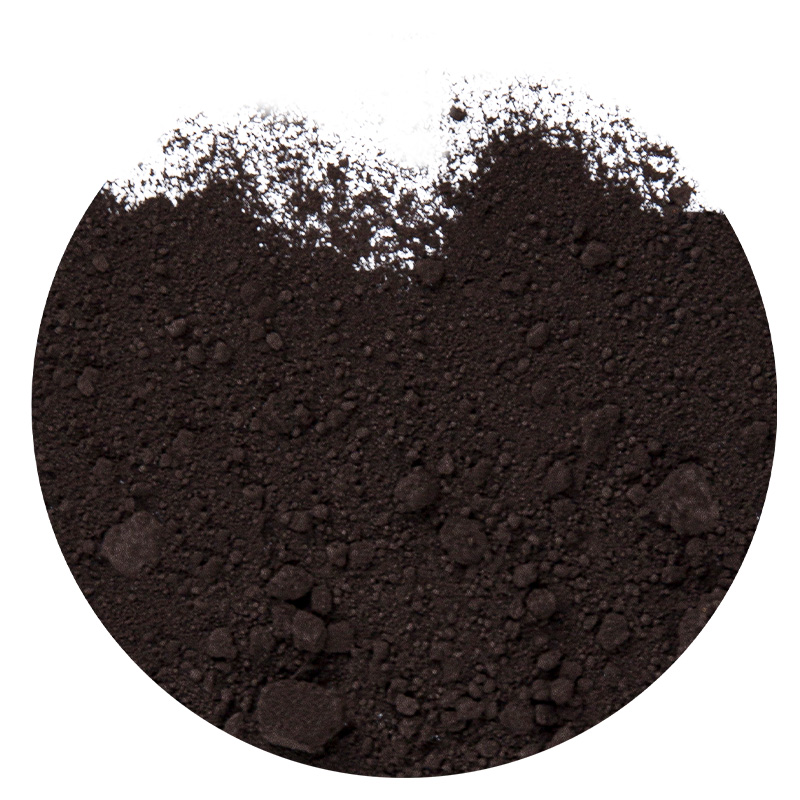
Modern cosmetic formulations face a challenge that extends beyond UV radiation: the need to shield skin from high-energy visible light (HEV), commonly known as Blue Light (400–500 nm), and the broader Visible Light (Vis) spectrum. Unlike chemical sunscreens, inorganic pigments offer photoprotection through physical blockage (scattering and absorption). Iron oxide black pigment, traditionally valued as a colorant, is now recognized as a potent, broad-spectrum protective agent, critical for achieving true full-spectrum coverage in cosmetic products like foundations and tinted sunscreens. Deqing Demei Pigment Technology Co., Ltd. focuses on the research, development, and production of high-performance inorganic iron oxide pigments, covering a full spectrum of colors including iron oxide red, yellow, black, brown, green, orange, and blue. We produce three distinct series—standard, micronized, and low heavy metal content levels—to meet the exacting standards of the cosmetic industry. Our commitment extends beyond production, prioritizing environmental protection, safety, and employee health, ensuring the highest stability and purity of our raw materials.
II. Mechanism of Action: Iron Oxide as a Broadband Shield
Inorganic pigments, including iron oxide black pigment, protect the skin by acting as physical barriers that reflect and absorb incident light energy. The primary protective agents in sunscreens (Zinc Oxide and Titanium Dioxide) are highly effective against UV radiation but often show reduced efficacy in the Visible Light range. Iron oxides, however, due to their distinct crystal structure and optical properties, exhibit strong absorption characteristics precisely within the Visible Light and Blue Light ranges.
A. Iron Oxide Black Blue Light Protection Efficacy
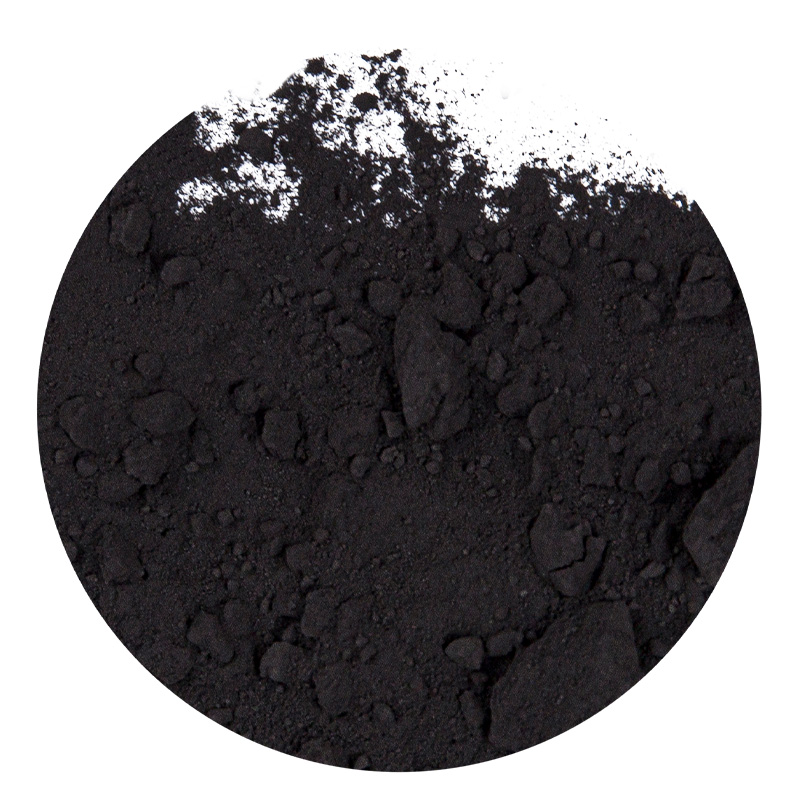
The iron oxide black blue light protection efficacy is superior to many non-tinted chemical or physical filters across the 400-500 nm range. The iron oxide black pigment structure (Fe3O4) possesses significant absorption bands across the entire Vis spectrum. This provides a crucial defensive layer that conventional UV filters alone cannot offer. Research indicates that incorporating iron oxides at a sufficient concentration is essential for achieving a high Visible Light Protection Factor (VLFP). The comparison of light protection profiles highlights this advantage:
| Filter Type | Primary Protection Range | Efficacy in Blue Light (400-500 nm) | Cosmetic Benefit |
|---|---|---|---|
| Standard Zinc Oxide | UVA/UVB (280-400 nm) | Moderate Scattering | Broad UV Coverage |
| Titanium Dioxide | UVB/Short UVA (280-350 nm) | Low Scattering | Physical UV Filter |
| Iron Oxide Black Pigment | Visible Light (400-700 nm) | High Absorption/Scattering | Essential for HEV Protection |
III. Critical Factors: Particle Size and Dispersion Quality
The efficacy and cosmetic elegance of an iron oxide product are heavily influenced by its particle morphology, particularly particle size and distribution. Uniformity is key to avoiding an uneven color finish and ensuring consistent light blockage.
A. Micronized Iron Oxide UV Vis Shielding Comparison
For achieving high transparency while maintaining photoprotection, a fine particle size is necessary. The micronized iron oxide UV Vis shielding comparison reveals that grinding the pigment to the sub-micron level (Demei's micronized series) significantly improves light transmission in the visible spectrum—making the product less opaque—while the small, uniformly dispersed particles maintain their efficacy by effectively scattering Blue Light. Conversely, poorly dispersed or aggregated particles can create "light tunneling," allowing radiation to pass through gaps in the film, compromising the overall protection.
B. Cosmetic Grade Iron Oxide Particle Size Blue Light
The optimal cosmetic grade iron oxide particle size blue light protection is achieved when the particle diameter is approximately 1/4 to 1/2 of the Blue Light wavelength (around 100-250 nm). Particles in this range maximize the light scattering effect within the critical 400-500 nm band, ensuring superior Blue Light attenuation while minimizing the white, chalky appearance often associated with larger particle inorganic filters.
IV. Dosage and Safety: Defining Effective Concentration
To provide adequate Vis/Blue Light protection, the iron oxide concentration in the final cosmetic formulation must meet a minimum threshold. This must be balanced against the desired shade and application characteristics.
A. Optimal Iron Oxide Concentration Visible Light Protection
Achieving adequate Visible Light protection typically requires an optimal iron oxide concentration visible light protection dosage of at least 2% to 5% total iron oxides (combined red, yellow, and black). However, the necessary concentration of iron oxide black pigment specifically is determined by the final color depth. For a deep foundation shade that requires significant pigmentation, the concentration naturally reaches the photoprotective threshold. For lighter shades, the colorant must be carefully balanced with other broad-spectrum filters to maintain high VLFP. The relationship between concentration and protection:
| Total Iron Oxide Content (%) | Observed Visible Light Protection Factor (VLFP) | Cosmetic Impact |
|---|---|---|
| < 1.0% | Low to Moderate | Minimal tinting, primarily color adjustment |
| 2.0% - 3.5% | Moderate to High | Effective Vis/Blue Light protection, deep tint |
| > 4.0% | High | Maximum physical blockage, very deep/dark tint |
B. Low Heavy Metal Iron Oxide Pigment Safety Cosmetic
Given that these pigments are left on the skin for extended periods, purity is non-negotiable. The low heavy metal iron oxide pigment safety cosmetic grade is essential for compliance and consumer safety. Suppliers, including Demei, must rigorously monitor contaminants like Lead, Arsenic, Mercury, and Cadmium, often exceeding standard industrial grade requirements. Demei's commitment to safety extends to caring for the health of employees and ensuring the ecological environment is protected during the production of these high-purity cosmetic raw materials.
V. Quality Assurance and Sourcing for Formulators
For cosmetic formulators, securing a consistent supply of stable, low heavy metal content iron oxide is vital. Demei provides this reliability across its range of iron oxide red, yellow, and iron oxide black pigment products. Our trade company, Deqing Hele New Material Technology Co Ltd., facilitates access to our specialized standard, micronized, and low heavy metal series, ensuring B2B clients can confidently meet global regulatory standards while achieving precise color and photoprotective specifications.
VI. The Dual Function of Pigmentation
The iron oxide black pigment is far more than a simple colorant in cosmetic formulations. Its unique ability to strongly absorb and scatter light across the entire Visible and Blue Light spectrum makes it an indispensable component for full-spectrum photoprotection. By carefully controlling the cosmetic grade iron oxide particle size blue light efficacy and ensuring the optimal iron oxide concentration visible light protection is met, formulators can leverage these pigments to create high-performance, high-safety products that meet the evolving demands of consumer protection.

VII. Frequently Asked Questions (FAQs)
Q1: Do iron oxides fully replace traditional UV filters (Zinc Oxide/Titanium Dioxide) for sun protection?
- A: No. Iron oxides are critical for Visible Light and Blue Light protection but offer less robust protection against the full UVA/UVB range (280-400 nm). They are best used in combination with traditional UV filters to provide true full-spectrum defense, leveraging the high iron oxide black blue light protection efficacy.
Q2: What is the main benefit of using micronized iron oxide UV Vis shielding comparison technology?
- A: Micronization reduces the pigment's particle size, which improves the cosmetic feel and reduces visible opacity (making it less chalky or dark) while enhancing the uniform dispersion necessary to maximize light scattering and maintain high Visible Light Protection Factor (VLFP).
Q3: How is the optimal iron oxide concentration visible light protection determined in a product?
- A: It is determined through specific laboratory testing (in vitro or in vivo) to measure the Visible Light Protection Factor (VLFP). Generally, a minimum of 2% to 5% total iron oxides is required, depending on the base formulation and the desired level of color/coverage.
Q4: Why is sourcing low heavy metal iron oxide pigment safety cosmetic grade so important?
- A: Heavy metals are residual contaminants that can be absorbed through the skin. Strict low heavy metal iron oxide pigment safety cosmetic standards are mandated by regulatory bodies globally to ensure the long-term safety of the cosmetic product, particularly since it is left on the skin for many hours.
Q5: Does using iron oxide black pigment provide better Blue Light protection than iron oxide red or yellow?
- A: Yes. In general, darker pigments absorb more energy across the Visible Light spectrum. Iron oxide black and brown typically provide the strongest overall absorption and scattering across the 400-700 nm range compared to lighter red or yellow variants, making the black pigment highly effective for iron oxide black blue light protection efficacy.