English
 عربى
عربى русский
 Español
How to Choose Black Iron Oxide E172 for Food Coloring, Industrial Pigments and Cosmetic Applications
Content
- 1 What Is Black Iron Oxide E172 and How Is It Used in Different Industries?
- 2 Is Black Iron Oxide E172 Safe for Food and Cosmetic Applications?
- 3 What Are the Main Applications of Black Iron Oxide E172?
- 4 What Are the Differences Between Natural Iron Oxide and Synthetic Black Iron Oxide E172?
- 5 What Performance Properties Make Black Iron Oxide E172 Suitable as a Pigment?
- 6 How Is Black Iron Oxide E172 Produced and Processed?
- 7 What Regulations and Standards Apply to Black Iron Oxide E172?
- 8 What Are the Common Limitations or Concerns of Black Iron Oxide E172?
- 9 What Is the Future Trend of Iron Oxide Pigments Like E172 in Global Markets?
- 10 Frequently Asked Questions About Black Iron Oxide E172
Black iron oxide E172 represents one of the most widely approved and rigorously tested colorants across pharmaceutical, cosmetic, and food manufacturing sectors globally. Understanding its composition, regulatory status, and practical applications has become essential for manufacturers seeking reliable, compliant pigmentation solutions. This comprehensive guide examines the science, safety profile, and strategic applications of black iron oxide E172 across multiple industries.
What Is Black Iron Oxide E172 and How Is It Used in Different Industries?
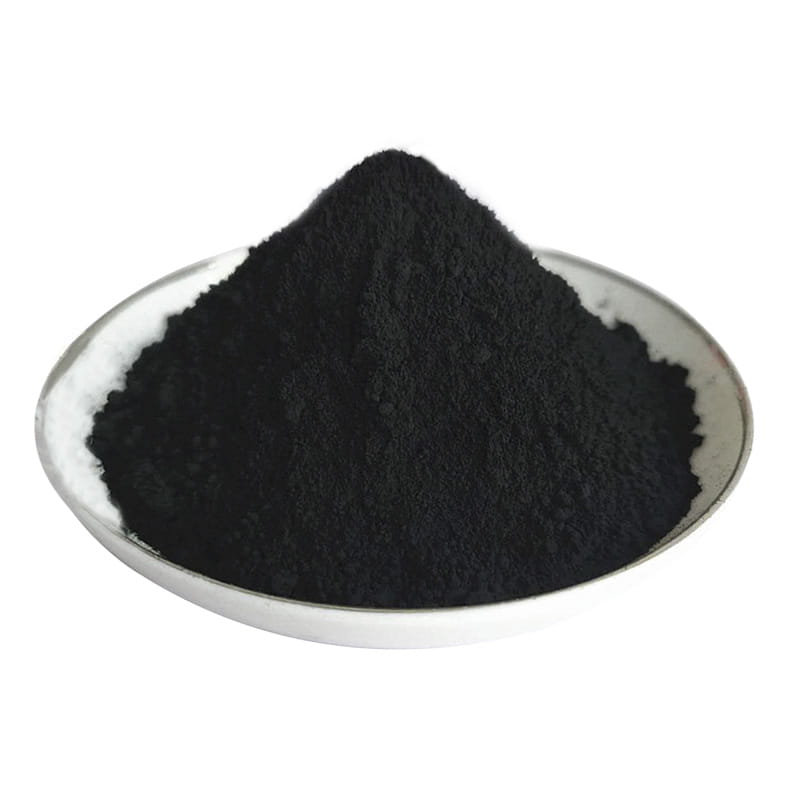
Black iron oxide E172 is a synthetic, inorganic colorant composed of ferric oxide particles engineered to precise specifications for use across food, pharmaceutical, and cosmetic applications. The "E172" designation refers to the European Union's food additive classification system, officially categorizing it as "iron oxides and hydroxides" approved for controlled use in food products subject to specific regulatory requirements.
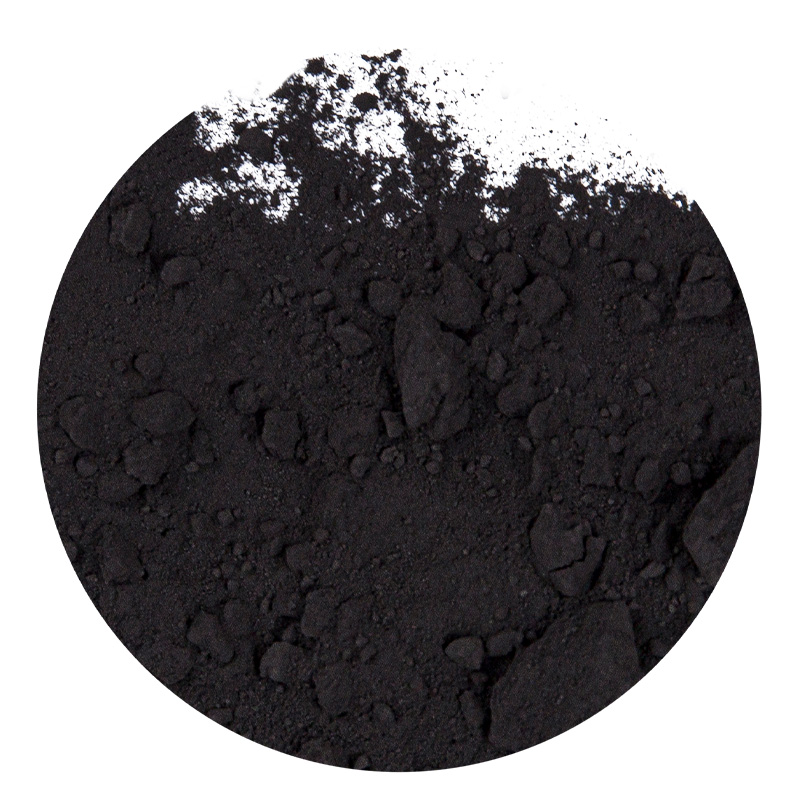
Definition: Black iron oxide E172 is a synthetically manufactured pigment derived from iron oxide compounds, engineered to deliver consistent black coloration with exceptional stability across pH ranges, temperature conditions, and light exposure profiles typical of commercial food, cosmetic, and pharmaceutical production environments.
The industrial spectrum of black iron oxide E172 applications is remarkably diverse. In pharmaceutical manufacturing, it serves as the primary colorant in tablet coatings, capsule shells, and film-coating formulations, imparting visual differentiation for product identification and brand recognition. The cosmetic industry employs black iron oxide E172 extensively in eyeshadows, eyeliners, mascaras, and other color cosmetics where stable black pigmentation is required. Food manufacturers utilize it for coloring pharmaceutical and dietary supplement shells, decorative food applications, and specialized food products requiring consistent black pigmentation without flavor alteration.
Is Black Iron Oxide E172 Safe for Food and Cosmetic Applications?
Safety assessment of black iron oxide E172 involves comprehensive toxicological evaluation, regulatory approval processes, and ongoing surveillance systems across multiple jurisdictions. The weight of scientific evidence confirms its safety when used according to regulatory specifications and approved dosage limits.
The European Food Safety Authority (EFSA) has established extensive safety documentation for black iron oxide E172, determining that iron oxide pigments present no identifiable safety concerns at approved usage levels. Toxicological studies spanning decades demonstrate that black iron oxide E172 exhibits minimal systemic absorption when ingested, with the majority passing through the gastrointestinal tract unchanged. No credible evidence supports carcinogenic, mutagenic, or reproductive toxicity concerns at regulatory use levels.
Cosmetic regulatory bodies including the FDA and European Commission have approved black iron oxide E172 for direct skin contact applications, confirming dermatological safety when formulated and applied according to industry standards. The pigment's insolubility means it remains on skin surfaces rather than penetrating the dermal barrier, substantially reducing systemic exposure risk.
Regulatory Approval Status Across Jurisdictions
European Union
- Approved as food additive E172
- Permitted in food contact materials
- EFSA safety assessments completed
- Maximum usage limits specified
United States (FDA)
- Approved as color additive in cosmetics
- Permitted in pharmaceutical coatings
- Included on FDA Color Additives Status List
- Usage levels established via 21 CFR regulations
Other Jurisdictions
- Approved in Japan, Canada, Australia
- Recognized in Chinese pharmacopeias
- Accepted under Indian food regulations
- Permitted in ASEAN member countries
What Are the Main Applications of Black Iron Oxide E172?
The versatility of black iron oxide E172 stems from its unique combination of stability, safety profile, and reliable performance characteristics across diverse manufacturing environments. Each application category presents distinct requirements that black iron oxide E172 successfully addresses.
Pharmaceutical and Nutraceutical Applications
Pharmaceutical manufacturers employ black iron oxide E172 as the primary colorant in solid dosage form coatings. Tablet film coatings utilize black iron oxide E172 to provide visual identification, protect active ingredients from light degradation, and improve patient compliance through distinctive appearance. Capsule shells in dietary supplements frequently incorporate black iron oxide E172, providing consistent black coloration across production batches. The pigment's stability at standard tablet processing temperatures (up to 60°C during spray coating) ensures color consistency without degradation.
Cosmetic Colorant Applications
The cosmetic industry represents the largest volume sector for black iron oxide E172 utilization. Eye color cosmetics—including eyeshadows, eyeliners, and mascaras—rely on the pigment's intensity and stability to deliver consistent, long-lasting black pigmentation. Face cosmetics, nail products, and lip colorants frequently incorporate black iron oxide E172 as a component within color blends, enabling shade customization while maintaining safety compliance. The pigment's particle size distribution permits incorporation into all cosmetic delivery systems including suspensions, emulsions, and powders without settling or agglomeration concerns.
Food and Food Coloring Applications
Food industry applications of black iron oxide E172 remain limited but strategically important. European food manufacturers utilize it in specialized products where black coloration enhances visual appeal without flavor contribution. Licorice products, decorative food applications, and specialized food supplements represent primary food sector applications. The FDA maintains stricter limitations on food coloring use compared to European regulations, reflecting differing regulatory philosophies regarding synthetic versus natural colorant approval.
What Are the Differences Between Natural Iron Oxide and Synthetic Black Iron Oxide E172?
Understanding distinctions between naturally occurring iron oxide minerals and synthetically manufactured black iron oxide E172 clarifies why regulatory systems mandate synthetic variants for food and cosmetic applications despite natural mineral availability.
| Property | Natural Iron Oxide | Synthetic E172 |
| Purity Level | 70-95% (contains mineral impurities) | 98-99.5% (pharmaceutical grade available) |
| Contamination Risk | High (lead, arsenic, other heavy metals) | Minimal (controlled manufacturing processes) |
| Color Consistency | Variable batch-to-batch variation | Standardized, consistent pigmentation |
| Particle Size Distribution | Highly variable (5-500 micrometers) | Controlled (0.1-5 micrometers typical) |
| Regulatory Acceptance Food | Generally not approved (contamination concerns) | Fully approved across major jurisdictions |
| Processing Temperature Stability | Dependent on mineral composition | Stable to 200°C+, suitable for industrial processing |
| Cost per Unit | Lower (minimal processing) | Higher (controlled synthesis and quality assurance) |
Natural mineral iron oxides extracted directly from geological sources contain substantial quantities of accompanying minerals and potentially harmful contaminants. Heavy metal concentration in unprocessed mineral oxides frequently exceeds food safety thresholds. This fundamental contamination risk disqualifies natural mineral oxides from pharmaceutical and food applications despite cost advantages.
Synthetic black iron oxide E172 production through controlled oxidation processes eliminates contamination sources and delivers precise compositional control. Manufacturers subject synthetic batches to rigorous analytical testing, verifying heavy metal concentrations remain below regulatory thresholds and color properties match established standards. This quality assurance framework enables food and pharmaceutical regulatory agencies to approve synthetic variants with confidence while restricting natural mineral alternatives.
What Performance Properties Make Black Iron Oxide E172 Suitable as a Pigment?
The technical properties distinguishing black iron oxide E172 as a superior pigment solution stem from its inorganic molecular composition and engineered particle structure. These properties directly address performance requirements critical across pharmaceutical, cosmetic, and industrial applications.
- Exceptional Color Stability: Black iron oxide E172 demonstrates remarkable resistance to color fading across extended storage periods, varying pH environments, and light exposure conditions typical of commercial product shelf life. The inorganic pigment structure resists photochemical degradation mechanisms that compromise organic colorants.
- Heat Resistance and Temperature Stability: The pigment maintains consistent color properties across processing temperatures ranging from -20°C to 200°C, enabling compatibility with high-temperature pharmaceutical coating processes, cosmetic manufacturing conditions, and thermal processing in food manufacturing without color shift or degradation.
- UV Stability: Unlike many organic colorants, black iron oxide E172 resists UV-induced fading and color modification. Products containing the pigment maintain visual consistency when exposed to sunlight or UV irradiation during shelf display, a critical requirement for consumer-facing pharmaceutical and cosmetic products.
- Chemical Inertness: The inorganic pigment exhibits remarkable stability across diverse chemical environments. It resists interaction with active pharmaceutical ingredients, cosmetic formulation components, and food manufacturing additives without leaching, color shifting, or reactivity concerns.
- High Tinting Strength: Minimal quantities of black iron oxide E172 deliver deep, consistent black coloration. This high tinting strength enables manufacturers to achieve desired color intensity with reduced pigment loading, minimizing formulation complexity and optimizing product economics.
- Particle Fineness and Dispersion: Engineered particle size distribution in synthetic black iron oxide E172 permits easy dispersion into various formulation matrices. The pigment integrates smoothly into aqueous suspensions, organic solutions, and solid matrices without agglomeration, sedimentation, or processing complications.
How Is Black Iron Oxide E172 Produced and Processed?
Manufacturing processes for pharmaceutical-grade black iron oxide E172 represent highly controlled industrial operations designed to deliver consistent composition, purity, and safety compliance across production batches.
The synthetic black iron oxide E172 production process begins with iron salt precursors—typically iron sulfate or iron chloride—subjected to oxidation under carefully controlled conditions. Precipitation reactions in alkaline environments produce iron hydroxide intermediate compounds, which subsequently undergo thermal treatment at elevated temperatures (typically 250-400°C) to achieve final iron oxide composition. This synthesis pathway contrasts sharply with natural mineral extraction, enabling precise control over product characteristics.
Post-synthesis processing significantly influences final pigment performance. Micronization processes reduce particle size to engineered specifications, typically ranging from 0.1 to 5 micrometers for pharmaceutical-grade applications. Surface treatment procedures may apply additional coatings to enhance dispersibility, improve compatibility with specific formulation systems, or optimize particle-solvent interactions. These post-processing steps substantially increase manufacturing complexity and cost compared to natural mineral extraction but remain essential for regulatory compliance and performance reliability.
Quality assurance represents an indispensable component of black iron oxide E172 production. Manufacturers conduct rigorous analytical testing including particle size distribution analysis, heavy metal quantification, color standardization measurements, and microbial limit testing. These comprehensive quality controls ensure that finished product meets regulatory specifications and performance requirements for pharmaceutical and food applications.
What Regulations and Standards Apply to Black Iron Oxide E172?
Regulatory frameworks governing black iron oxide E172 vary substantially across geographic jurisdictions, reflecting differing national approaches to colorant safety assessment and approval mechanisms.
European Union Regulatory Status
The European Union classifies black iron oxide E172 as a permitted food additive under Regulation (EC) 1333/2008, official designating it "E172 iron oxides and hydroxides." The European Food Safety Authority maintains comprehensive safety documentation supporting continued approval. EU regulations establish specific maximum usage limits varying by food category, with particular restrictions on applications where ingestion represents a primary exposure route. Food manufacturers operating within EU jurisdictions must comply with detailed labeling requirements and usage specifications for products containing E172.
United States (FDA) Regulatory Framework
The FDA classifies black iron oxide E172 as a color additive suitable for use in pharmaceutical coatings, cosmetics, and specific food applications under 21 CFR Part 73. FDA regulations establish usage levels and permitted applications, with pharmaceutical coatings representing the primary approved use category. Food applications remain more restricted in the United States compared to European frameworks, reflecting FDA's historically cautious approach to synthetic colorant approvals. Manufacturers must ensure compliance with CFR specifications and maintain detailed documentation of pigment sourcing and quality testing.
International Standards and Pharmacopeial Requirements
The United States Pharmacopeia (USP), European Pharmacopoeia (Ph.Eur), and Japanese Pharmacopoeia (JP) all include specifications for pharmaceutical-grade iron oxide pigments. These monographs establish detailed requirements for purity, particle size distribution, heavy metal limits, and microbial contamination levels. Manufacturers seeking to supply pharmaceutical-grade material must demonstrate consistent compliance with relevant pharmacopeial specifications through ongoing quality testing and validation.
What Are the Common Limitations or Concerns of Black Iron Oxide E172?
Despite substantial regulatory approval and extensive safety data, black iron oxide E172 presents certain technical limitations and regulatory constraints that manufacturers must consider during product development.
Water Insolubility: The fundamental insolubility of black iron oxide E172 in aqueous environments, while providing stability advantages, limits application in water-based formulation systems. Products requiring the pigment must employ suspension technologies, particle dispersion systems, or alternative formulation approaches to achieve uniform coloration.
Regulatory Restrictions on Food Applications: While approved for food use in many jurisdictions, black iron oxide E172 faces stricter usage limitations in the United States and certain Asian markets compared to European frameworks. Manufacturers developing products for multiple geographic markets must navigate divergent regulatory requirements and potential reformulation demands.
Regulatory Trend Toward Natural Colorants: Consumer preference and regulatory momentum in several jurisdictions increasingly favor natural colorant alternatives, potentially limiting future market opportunities for synthetic iron oxide pigments despite established safety profiles and regulatory approval. Cosmetic and food manufacturers increasingly face stakeholder pressure to reduce synthetic ingredient utilization, creating competitive disadvantages for black iron oxide E172 despite objective safety data supporting its continued use.
Dispersion and Processing Challenges: While engineered for effective dispersibility, achieving uniform distribution of black iron oxide E172 in certain formulation matrices requires specialized equipment, processing conditions, or additional dispersing agents. These technical requirements increase manufacturing complexity and may necessitate capital equipment investments.
What Is the Future Trend of Iron Oxide Pigments Like E172 in Global Markets?
Market dynamics and regulatory trends suggest evolving positioning for black iron oxide E172 and synthetic iron oxide pigments within global cosmetic, pharmaceutical, and food manufacturing sectors.
Clean Label Movement Impact: The accelerating consumer preference for "clean label" products—formulations with reduced synthetic ingredients and increased natural component utilization—presents competitive challenges for black iron oxide E172. Manufacturers increasingly pursue alternative colorant sources including plant-derived pigments and mineral colorants perceived as more natural despite equivalent or inferior safety documentation.
Regulatory Convergence and Harmonization: International regulatory bodies increasingly pursue harmonization of colorant approval frameworks. Successful standardization could expand market opportunities for black iron oxide E172 by establishing globally consistent approval status, though regulatory divergence regarding natural versus synthetic colorant preferences may persist.
Sustainability and Environmental Considerations: Future market trends may shift toward sustainable pigment production methodologies, green chemistry manufacturing processes, and reduced environmental impact manufacturing. Manufacturers of black iron oxide E172 increasingly invest in environmentally responsible production techniques and waste minimization strategies to maintain competitive positioning amid evolving environmental expectations.
Specialized Application Development: Emerging pharmaceutical applications, novel cosmetic formulations, and specialized industrial uses continue expanding potential markets for precisely engineered black iron oxide E172 variants. Manufacturers investing in custom pigment specifications and application-specific formulations may identify profitable niche markets despite broader clean label trends.
 |
 |
Frequently Asked Questions About Black Iron Oxide E172
What Exactly Is Black Iron Oxide E172?
Black iron oxide E172 is a synthetically manufactured inorganic pigment composed of iron oxide compounds, approved globally as a food additive and cosmetic colorant. The pigment delivers consistent black coloration while maintaining stability across diverse manufacturing environments and storage conditions.
Is E172 Safe to Consume in Food Products?
Comprehensive safety assessments conducted by regulatory authorities including the European Food Safety Authority and FDA confirm that black iron oxide E172 is safe for food consumption at approved usage levels. The pigment exhibits minimal systemic absorption and demonstrates no credible carcinogenic, mutagenic, or reproductive toxicity concerns in scientific literature.
What Industries Primarily Use Black Iron Oxide E172?
The pharmaceutical industry represents the largest sector utilizing black iron oxide E172, followed by cosmetics manufacturing. Additional applications include food coloring in specific product categories and industrial pigment applications. Each sector employs the pigment for distinct purposes reflecting the colorant's exceptional stability and regulatory approval status.
Is Black Iron Oxide E172 Natural or Synthetic?
Black iron oxide E172 is synthetic, manufactured through controlled chemical synthesis rather than mineral extraction. The synthetic manufacturing process enables precise composition control and contamination elimination, explaining regulatory preference for synthetic variants in pharmaceutical and food applications despite natural mineral availability.