English
 عربى
عربى русский
 Español
Why is Alkali Resistance the Most Critical Factor When Selecting Iron Oxide Powder for Concrete and Masonry Applications?
Content
- 1 The Chemistry of Concrete: A Harsh Alkaline Environment
- 2 Ensuring Durability with Micronized and High-Stability Series
- 3 UV Stability and Weathering in Exterior Masonry
- 4 Conclusion: The Demei Commitment to Sustainable Quality
- 5 Engineering Standard: Achieving Color Homogeneity
- 6 Frequently Asked Questions (FAQ)
- 7 Industry References
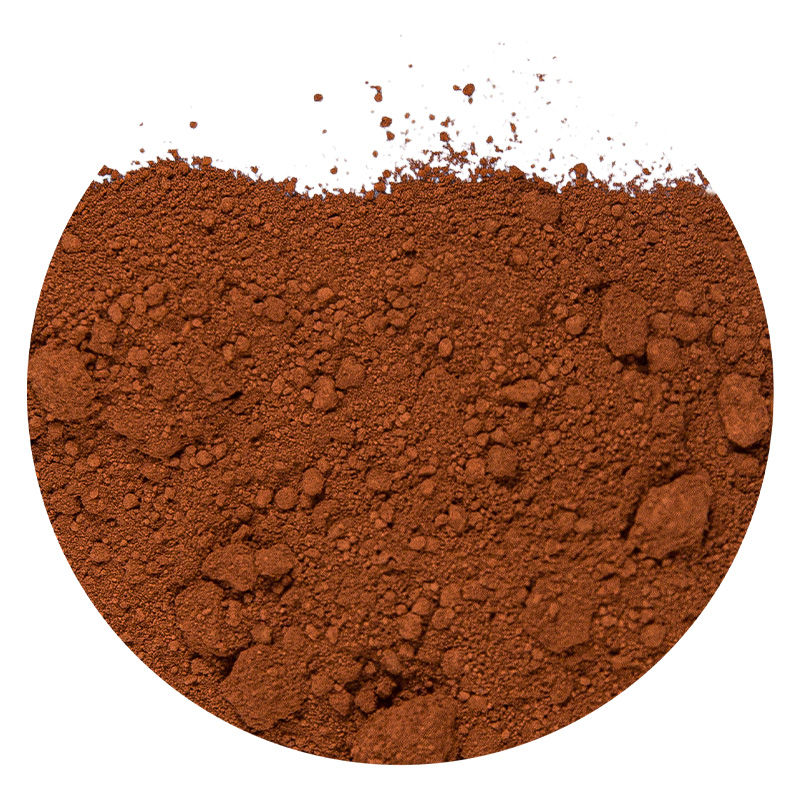
In the architectural and construction sectors, the aesthetic longevity of colored concrete is heavily dependent on the chemical stability of the pigments used. Iron oxide powder is the global standard for providing vibrant hues to masonry, yet not all pigments are created equal. Deqing Demi Pigment Technology Co., Ltd. (with trade company Deqing Hele New Material Technology Co Ltd.) specializes in the R&D and production of inorganic iron oxide pigments, ranging from reds and yellows to specialized micronized iron oxide pigment for construction. For engineers and B2B wholesalers, understanding the interaction between the high-alkali environment of Portland cement and the pigment's chemical structure is essential for ensuring color fastness and structural integrity.
The Chemistry of Concrete: A Harsh Alkaline Environment
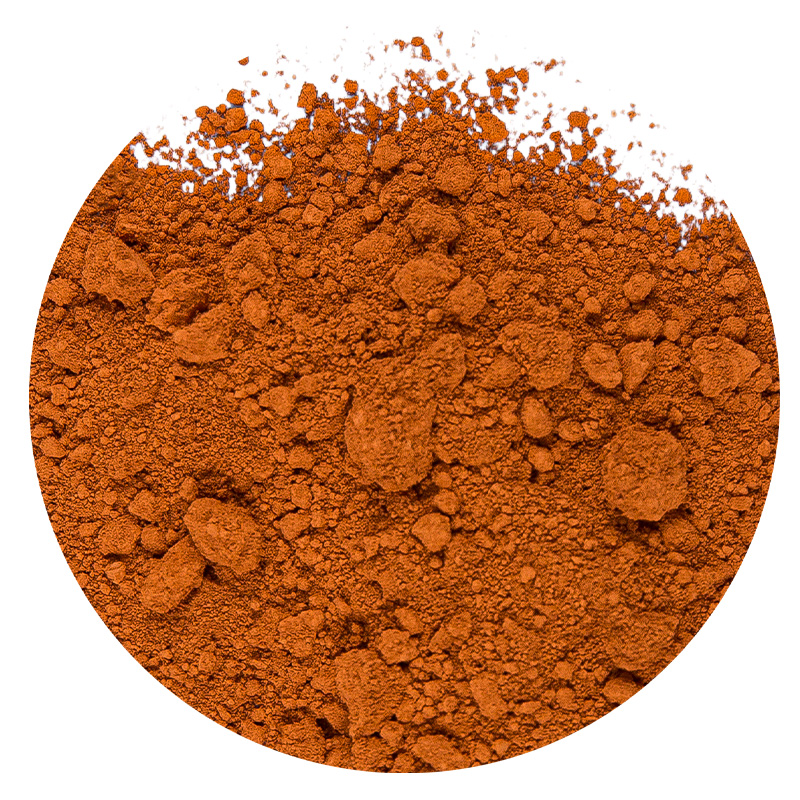
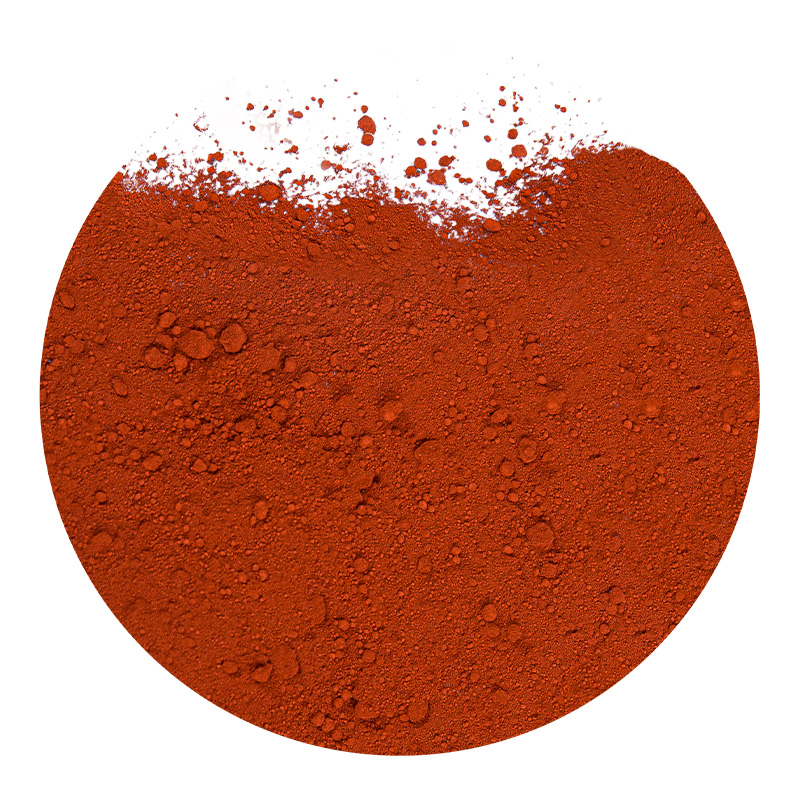
Portland cement, the primary binder in concrete, creates a highly alkaline environment with a pH level typically between 12 and 13.5 during the hydration process. When utilizing synthetic iron oxide red for paving stones, the pigment must withstand this caustic chemistry without undergoing a molecular change. While organic pigments often fail or fade almost immediately in high-pH settings, high-quality inorganic iron oxide powder is naturally inert. However, inferior pigments or those with acidic contaminants can react with calcium hydroxide (the byproduct of cement hydration), leading to "bleaching" or significant color shifts in the finished masonry.
| Feature | Standard Inorganic Iron Oxide | Organic/Low-Grade Pigments |
| pH Stability | Maintains structure at pH 12-14. | Degrades or leaches in alkaline conditions. |
| Reaction with Cement | Inert; does not affect hydration. | May inhibit curing or cause surface efflorescence. |
| Color Retention | Permanent; resistant to "alkali fading." | Significant fading within months of exposure. |
Ensuring Durability with Micronized and High-Stability Series
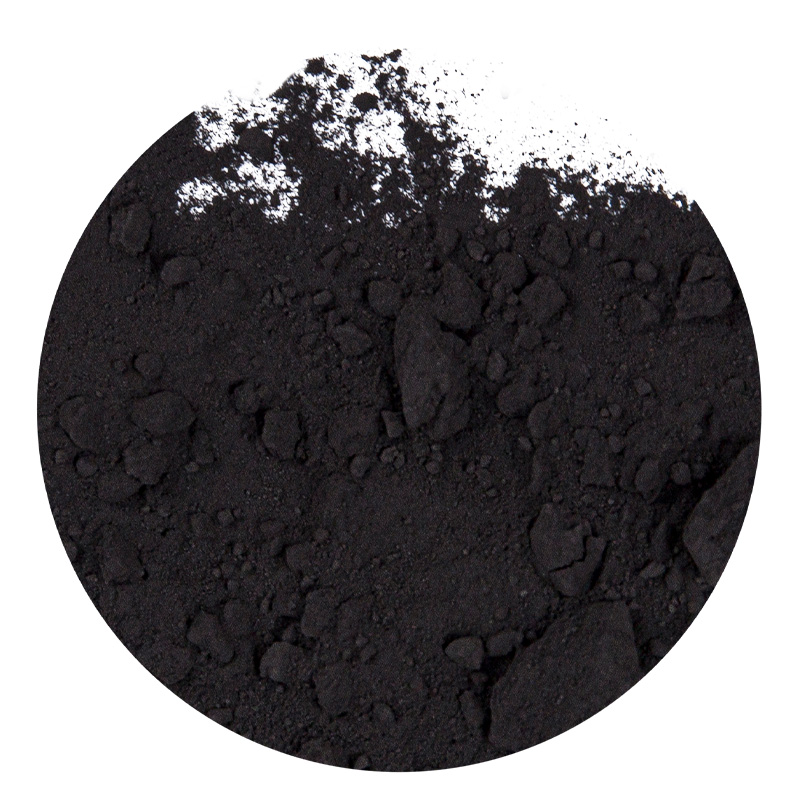
Modern construction demands more than just chemical resistance; it requires physical performance. Using micronized iron oxide pigment for construction allows for a higher tinting strength and more uniform dispersion within the concrete matrix. This fine particle size ensures that the high strength iron oxide black for masonry fully encapsulates the cement particles, providing a saturated color that is deeper and more resistant to mechanical wear. In contrast to standard grade pigments, micronized versions reduce the water demand of the concrete mix, which indirectly helps maintain the alkalinity and density of the cured product.
Performance Matrix: Micronized vs. Standard Grades
Micronized pigments provide superior dispersion efficiency, which is critical for automated dosing systems used in large-scale paving stone production.
| Metric | Standard Iron Oxide Series | Micronized Iron Oxide Series |
| Dispersion Time | Requires high-shear mixing. | Rapid, uniform dispersion in dry/wet mixes. |
| Tinting Strength | Baseline (100%) | Enhanced (Typically 110-120%). |
| Oil Absorption | Standard | Optimized for lower liquid-to-solid ratios. |
UV Stability and Weathering in Exterior Masonry
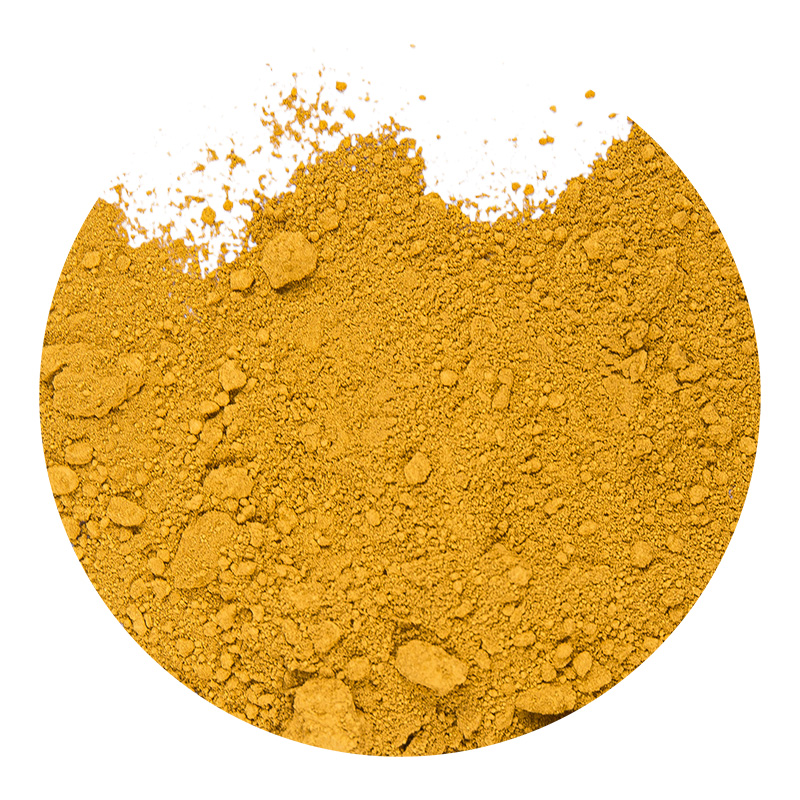
While alkali resistance protects the pigment from within, UV stability protects it from the exterior. A uv stable iron oxide yellow for concrete ensures that facades and walkways do not lose their brilliance under high-intensity solar radiation. Because Demei's pigments are inorganic, they are inherently resistant to UV degradation. When combined with alkali resistance, our heat resistant iron oxide brown for asphalt and concrete creates a "weather-proof" solution. This dual-protection is vital for B2B procurement professionals who are responsible for materials used in infrastructure projects that must last 25 to 50 years.
- Standard Series: Reliable performance for general construction and bricks.
- Low Heavy Metal Series: Specifically engineered for projects with strict environmental and health regulations.
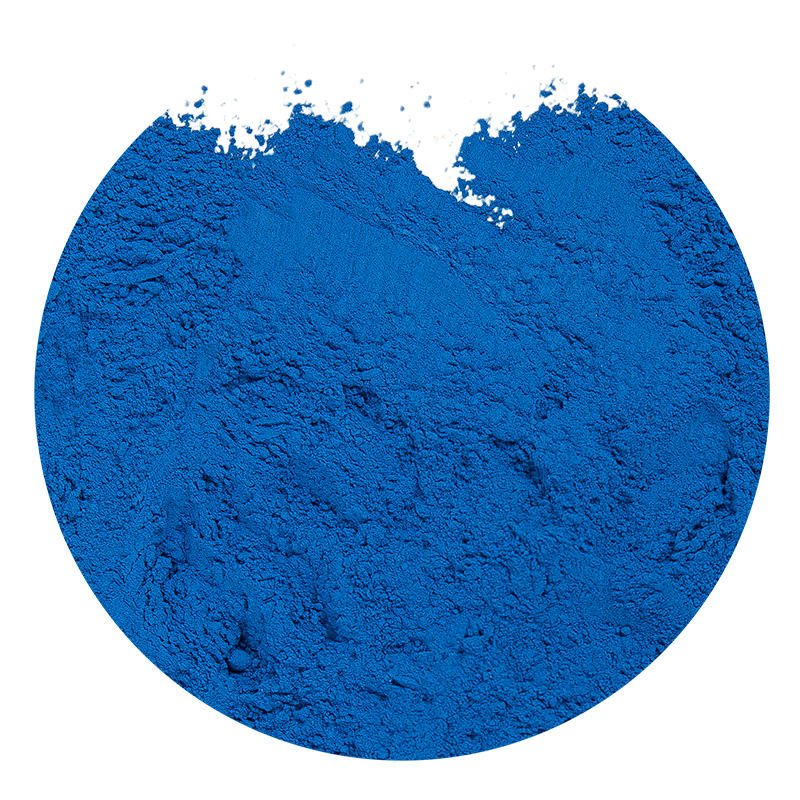
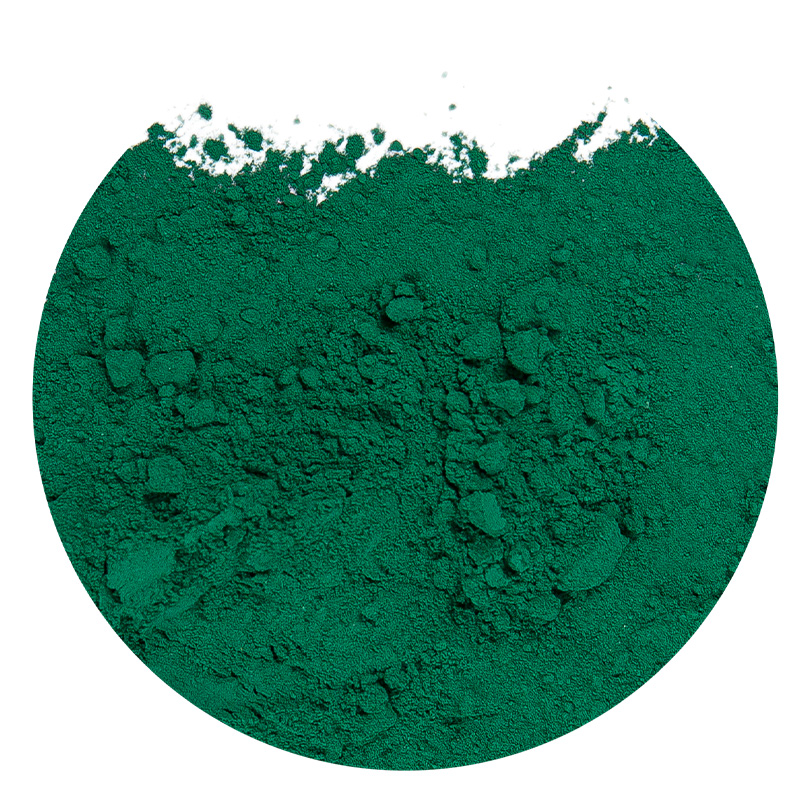
- Composite Pigments: High-stability blends (green, orange, blue) that maintain alkali resistance across complex color palettes.
Conclusion: The Demei Commitment to Sustainable Quality
Selecting the right iron oxide powder is a decision that impacts the entire lifecycle of a construction project. At Deqing Demi Pigment Technology Co., Ltd., we fulfill our social responsibilities by producing pigments that are not only high-performing but also eco-friendly. By prioritizing alkali resistance and chemical stability in our R&D, we ensure that our global partners receive a product that withstands the test of time, weather, and the harshes architectural environments.
Engineering Standard: Achieving Color Homogeneity
Achieving a uniform hue across large production batches requires precise control over the "shear forces" during mixing. Whether you are using synthetic iron oxide red for paving stones or our high strength iron oxide black for masonry, the objective is to fully de-agglomerate the pigment particles and ensure they are evenly distributed across every cement grain.
1. Dry Mixing vs. Wet Mixing Procedures
For most automated plants, dry mixing the pigment with the aggregates before adding water is the most effective way to prevent "pigment balls." This process uses the abrasive action of the sand and gravel to break down any compacted iron oxide powder.
| Method | Procedure | Engineering Benefit |
| Dry Mixing | Mix aggregates and pigment for 30–60 seconds before adding cement/water. | Abrasive shear ensures maximum micronized pigment de-agglomeration. |
| Wet Mixing (Slurry) | Pre-disperse pigment in a portion of the gauging water. | Best for liquid dosing systems; ensures rapid color "bloom." |
2. Dosing Precision and Loading Limits
To maintain structural integrity, the dosage of iron oxide powder should be based on the weight of the cementitious material (cement + fly ash), not the total mix weight. Exceeding the "saturation point" does not increase color intensity but can increase water demand and reduce concrete strength.
- Recommended Dosage: 3% to 6% of cement weight. Dosages below 1% may result in inconsistent "faded" patches.
- Saturation Point: Typically reached at 8-10%; adding more pigment beyond this provides diminishing returns on tinting strength.
- Water-to-Cement Ratio: Maintain a strict w/c ratio. Even a 1% variation in water can change the perceived color of synthetic iron oxide red for paving stones due to changes in surface porosity.
3. Mixing Time and Sequence
Insufficient mixing is the leading cause of "mottling." For micronized iron oxide pigment for construction, the high surface area allows for faster tinting, but a minimum mechanical residence time is still required.
| Mix Stage | Duration | Critical Check |
| Aggregate + Pigment | 30s - 45s | Ensure no visible clumps of iron oxide powder remain. |
| Addition of Cement | 15s - 20s | Dry blending of binder and colorant. |
| Water Addition | 90s - 120s | Final homogenization; check for uniform "gloss" in the wet mix. |
4. Quality Control and Batch Consistency
Deqing Hele New Material Technology Co Ltd. recommends maintaining a "Reference Sample" from every batch. Since Demei's standard, micronized, and low heavy metal series are manufactured with high stability, batch-to-batch variation is minimized. However, environmental factors like humidity and ambient temperature can affect the hydration rate and, consequently, the final color of the cured masonry.
Frequently Asked Questions (FAQ)
- Q1: Why is alkali resistance more important than UV resistance for concrete?
A: While UV affects the surface, alkali attack happens throughout the entire concrete volume. If a pigment is not alkali-resistant, it will react with the wet cement before the concrete even cures, resulting in immediate failure. - Q2: Can I use iron oxide green in high-alkali cement?
A: Yes, provided it is a composite inorganic pigment. Standard chrome greens can be sensitive, but Demei's high-performance green series is specifically engineered for alkali stability. - Q3: How does particle size (micronization) affect the color?
A: A micronized iron oxide pigment for construction has a smaller particle size, which increases the surface area. This results in more efficient light scattering, creating a more vivid and intense color. - Q4: Will adding iron oxide powder affect the strength of my concrete?
A: When used at the recommended dosage (usually 3% to 7% of the cement weight), high-quality inorganic pigments like ours do not significantly impact the compressive strength of the concrete. - Q5: What is the benefit of the low heavy metal content series?
A: It is designed for sensitive applications (like indoor masonry or children's parks) and helps companies fulfill ecological environment protection and employee health standards.
Industry References
- ASTM C979: Standard Specification for Pigments for Integrally Colored Concrete.
- EN 12878: Pigments for the colouring of building materials based on cement and/or lime.
- Portland Cement Association (PCA): Effect of Pigments on Concrete Properties and Curing.
- Journal of Materials in Civil Engineering: Chemical Stability of Inorganic Pigments in Alkaline Media.