English
 عربى
عربى русский
 Español
How Does Pigment Red 101 Compare to Synthetic Iron Oxide Reds in Terms of Tinting Strength and Durability for Construction Materials?
Content
- 1 1. Analyzing Tinting Strength: The Role of Particle Morphology
- 2 2. Durability and Weathering in Construction Environments
- 3 3. Application-Specific Sourcing: From Concrete to Coatings
- 4 Conclusion: The Standard for Modern Infrastructure
- 4.1 Frequently Asked Questions (FAQ)
- 4.1.1 1. What is the main difference between Pigment Red 101 and Pigment Red 102?
- 4.1.2 2. Is Pigment Red 101 safe for use in indoor environments?
- 4.1.3 3. Why is iron oxide red dispersion in concrete so important?
- 4.1.4 4. Does Pigment Red 101 heat resistance allow for use in asphalt?
- 4.1.5 5. How can I prevent efflorescence and iron oxide red issues in my bricks?
- 4.2 Industry References
- 4.1 Frequently Asked Questions (FAQ)
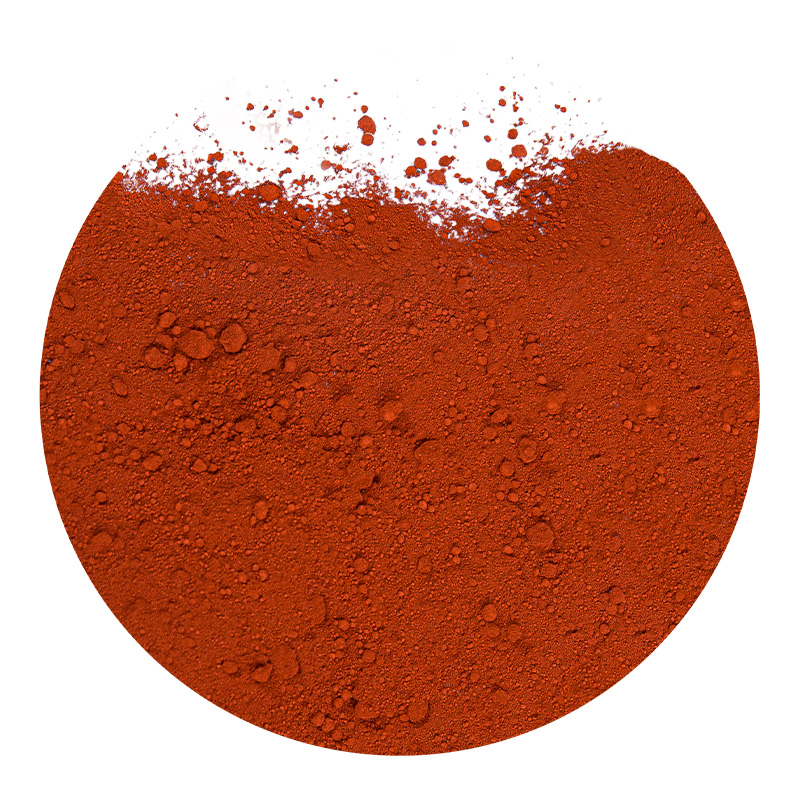
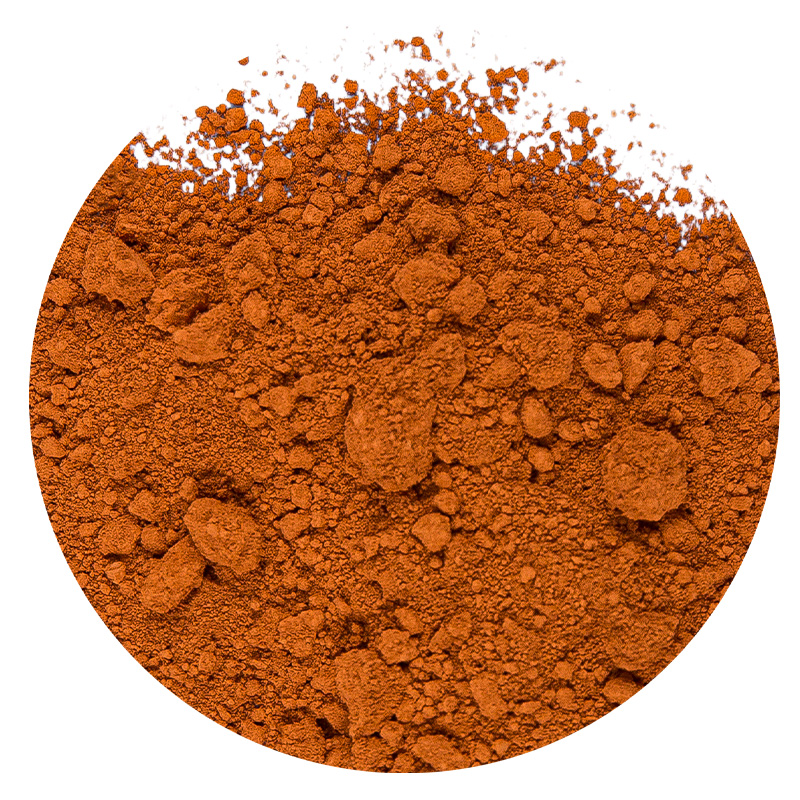
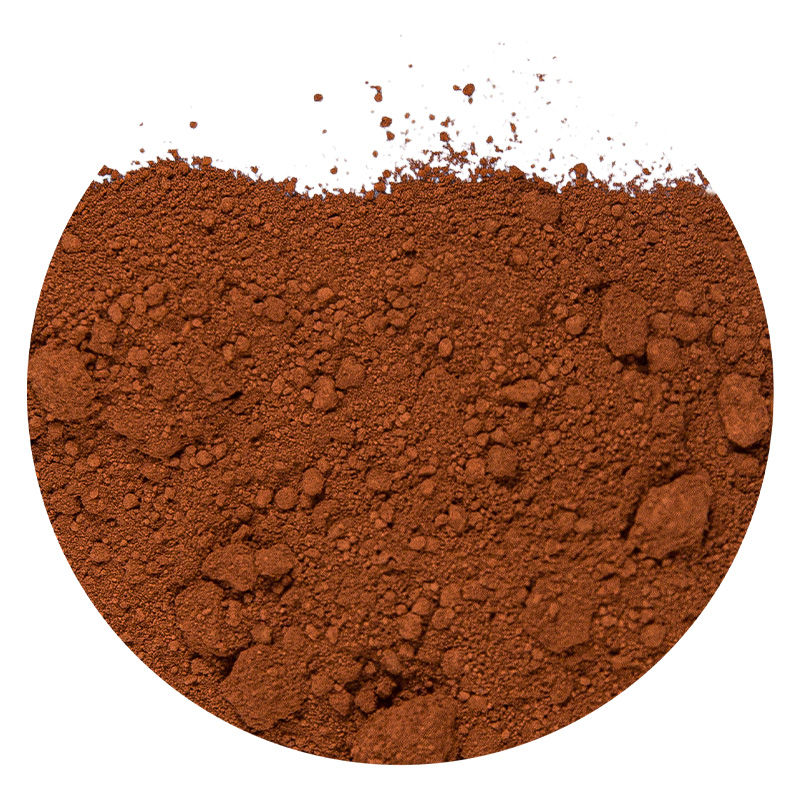
In the global construction and coatings industry, the selection of inorganic colorants is a critical engineering decision that affects both the aesthetic longevity and structural integrity of building materials. Pigment Red 101 (C.I. 77491) is the universal technical designation for anhydrous ferric oxide (Fe2O3), a compound that serves as the backbone for both natural and manufactured red pigments. Deqing Demi Pigment Technology Co., Ltd. (Demei) has dedicated years to the research and production of high-performance inorganic iron oxide pigments, offering standard, micronized, and low heavy metal series. By understanding the synthetic red iron oxide chemical properties, engineers can better predict how these materials will perform in alkaline environments like concrete. While often used interchangeably in casual conversation, the nuances between various forms of Pigment Red 101 and general synthetic iron oxide reds are vital for high-specification projects. This article provides a deep dive into the tinting strength of iron oxide red and its comparative durability in modern infrastructure.
1. Analyzing Tinting Strength: The Role of Particle Morphology
Tinting strength is a measure of a pigment's ability to impart its color to a substrate. For Pigment Red 101, this strength is primarily determined by the particle size distribution and the crystalline structure of the hematite. While natural oxides may contain impurities that dilute color, high purity synthetic iron oxide red typically boasts an Fe2O3 content exceeding 95%, resulting in a significantly more intense hue. The micronized iron oxide red for coatings produced by Demei offers even higher efficiency, as smaller particles provide a greater surface area for light scattering. When comparing Pigment Red 101 vs organic red pigments, the inorganic red requires a higher dosage for the same vividness but offers unparalleled opacity. However, Pigment Red 101 particle size must be carefully controlled; if the particles are too fine, they may increase oil absorption, whereas too coarse particles will lead to poor tinting strength of iron oxide red.
Technical Comparison: Tinting and Dispersion
- Standard Series: Balanced strength for bricks and pavers.
- Micronized Series: Superior iron oxide red dispersion in concrete and high-end coatings.
| Performance Metric | Natural Red Oxide (PR 102) | Synthetic Pigment Red 101 |
| Fe2O3 Purity | 60% - 85% | 95% - 98% |
| Tinting Strength | Standard (Reference) | 120% - 150% of Natural |
| Color Consistency | Variable (Batch-to-batch) | Strictly Controlled (Delta E < 1.0) |
2. Durability and Weathering in Construction Environments
In construction, pigments are exposed to harsh UV radiation, varying humidity, and the high alkalinity of cement. Pigment Red 101 is renowned for its chemical inertness. Unlike many organic alternatives, UV stability of iron oxide pigments is exceptional because the iron-oxygen bonds do not easily break under solar energy. This makes it the ideal iron oxide red for roofing tiles and outdoor infrastructure. Furthermore, the durability of red iron oxide in building materials is enhanced by its resistance to acids and alkalis. When evaluating Pigment Red 101 heat resistance, synthetic hematite can typically withstand temperatures up to 800°C without significant shade shifts, making it suitable for asphalt and ceramic glazes. Demei's low heavy metal iron oxide red series further ensures that these durable pigments meet modern environmental and health safety standards for sensitive projects.
Stability and Resistance Sequence
- Chemical Resistance: Pigment Red 101 remains stable in pH 3–12 environments.
- Lightfastness: Rated at 8 on the Blue Wool Scale (the highest possible).
- Weathering: Resists chalking and fading in "salty" coastal or industrial air.
| Environmental Factor | Organic Red Pigment | Pigment Red 101 (Synthetic) |
| UV Resistance | Low to Moderate (Fades) | Excellent (Stable) |
| Alkali Stability | Variable | Excellent (Cement Compatible) |
| Temperature Limit | ~200°C | ~800°C |
3. Application-Specific Sourcing: From Concrete to Coatings
Selecting the right grade of iron oxide red for construction depends on the final application. For high-performance paints, micronized iron oxide red for coatings is preferred to prevent settling and ensure a smooth finish. In contrast, for bulk concrete coloring, a standard grade Pigment Red 101 offers the best cost-to-performance ratio. Engineers must also consider efflorescence and iron oxide red; high-quality synthetic pigments with low water-soluble salt content (≤ 0.3%) help reduce the white chalky deposits that can ruin a brick's appearance. Demei's integrated approach to R&D ensures that our high stability composite iron oxide pigments address these specific field challenges, fulfilling our commitment to both quality and ecological protection.
Conclusion: The Standard for Modern Infrastructure
In summary, while Pigment Red 101 and general synthetic iron oxide reds share the same chemical formula, the engineering behind their production—purity, particle size control, and heavy metal reduction—determines their ultimate value. For construction materials requiring maximum tinting strength and century-long durability, high-purity synthetic iron oxide is the indisputable choice. Through the combined efforts of Deqing Demi Pigment Technology and our trade partner, Deqing Hele New Material Technology Co Ltd., we continue to provide the global market with pigments that are as stable as they are vibrant.
Frequently Asked Questions (FAQ)
1. What is the main difference between Pigment Red 101 and Pigment Red 102?
Pigment Red 101 refers to synthetic iron oxide red, which is purer and stronger. Pigment Red 102 refers to natural red iron oxide (hematite), which often contains earthy minerals and has lower tinting strength.
2. Is Pigment Red 101 safe for use in indoor environments?
Yes. Synthetic iron oxide red is non-toxic and environmentally friendly. Demei specifically offers low heavy metal iron oxide red series that are safe for various sensitive applications.
3. Why is iron oxide red dispersion in concrete so important?
Proper dispersion ensures a uniform color without streaks or clumps. Using micronized iron oxide red for coatings or high-quality standard grades ensures the pigment integrates fully with the cement paste.
4. Does Pigment Red 101 heat resistance allow for use in asphalt?
Absolutely. Because it can withstand temperatures up to 800°C, it remains stable during the high-heat mixing process required for colored asphalt road construction.
5. How can I prevent efflorescence and iron oxide red issues in my bricks?
Choose pigments with very low water-soluble salt content. High-purity Pigment Red 101 from a professional manufacturer like Demei is engineered to minimize the ions that contribute to efflorescence.
Industry References
- ASTM C979: Standard Specification for Pigments for Integrally Colored Concrete.
- ISO 1248: Iron oxide pigments for paints and building materials.
- Color Index International: Pigment Red 101 (C.I. 77491) Technical Data.
- Demei Pigment R&D Lab: "Stability Analysis of Composite Iron Oxides in Alkaline Media" (2024).