English
 عربى
عربى русский
 Español
What are the Key Differences Between Natural and Synthetic Black Iron Oxide Pigment for Construction?
Content
- 1 1. Chemical Purity and Particle Morphology
- 2 2. Tinting Strength and Color Consistency
- 3 3. UV Stability and Environmental Resistance
- 4 Conclusion: Engineering the Perfect Surface
- 4.1 Frequently Asked Questions (FAQ)
- 4.1.1 1. Why is synthetic black iron oxide preferred over natural magnetite?
- 4.1.2 2. Does black iron oxide pigment affect the strength of concrete?
- 4.1.3 3. How do I achieve the best dispersion when using black iron oxide for masonry mortar?
- 4.1.4 4. Is iron oxide black UV resistance in construction permanent?
- 4.1.5 5. Can I use black iron oxide pigment in asphalt?
- 4.2 Industry References
- 4.1 Frequently Asked Questions (FAQ)
In the construction and building materials industry, the selection of coloring agents is critical for both aesthetic longevity and structural compatibility. Black iron oxide pigment (Fe3O4), also known as Magnetite in its mineral form, is the industry standard for deep, permanent black tones in concrete, mortar, and asphalt. Deqing Demi Pigment Technology Co., Ltd. specializes in the R&D and production of high-performance inorganic pigments, ranging from iron oxide reds and yellows to specialized black iron oxide pigment. While natural magnetite has been used for centuries, modern engineering increasingly favors synthetic black iron oxide for concrete due to its superior purity and consistency. This guide analyzes the technical discrepancies between natural and synthetic variants to help engineers choose the optimal solution for large-scale infrastructure projects.
1. Chemical Purity and Particle Morphology
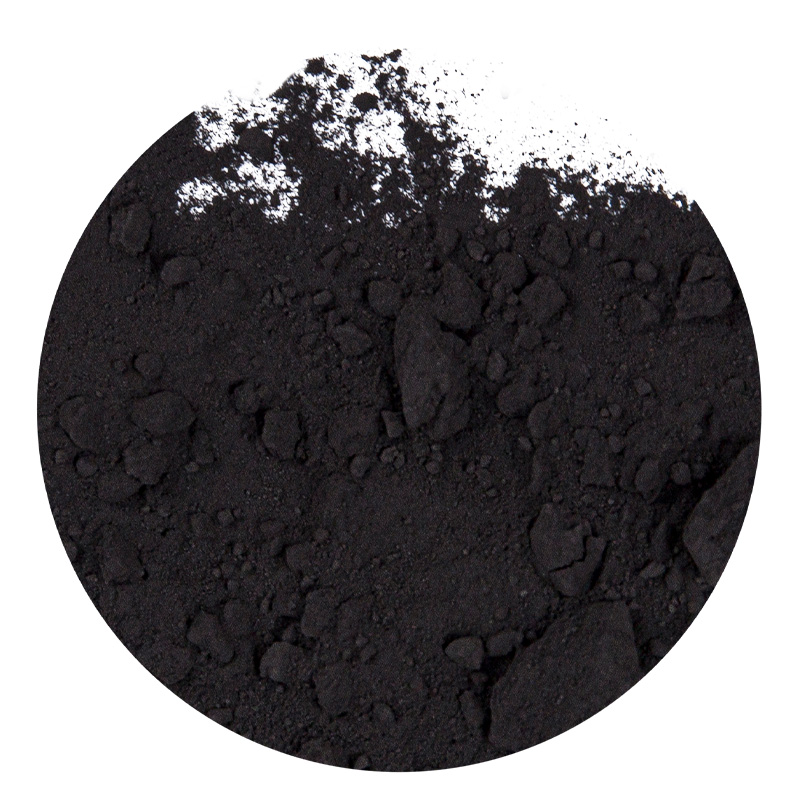
The primary distinction between natural and synthetic black iron oxide pigment lies in the chemical synthesis process versus geological extraction. Synthetic pigments are produced via the Laux process or precipitation, resulting in a high purity black iron oxide pigment with Fe3O4 content often exceeding 95%. In contrast, natural pigments are mined and contain varying levels of silica, alumina, and manganese, which can affect the hydration of cement. Furthermore, micronized black iron oxide powder offers a uniform spherical particle shape, which significantly improves dispersion compared to the irregular, angular particles found in natural ores. This uniformity is a cornerstone of industrial grade black iron oxide specifications, ensuring that the pigment does not create weak points within the concrete matrix.
Chemical and Physical Property Comparison
- Synthetic Purity: Consistent chemical composition reduces the risk of efflorescence and structural degradation.
- Natural Impurities: Clays and silicates in natural pigments may interfere with the bonding of polymer-modified mortars.
| Property | Natural Black Iron Oxide | Synthetic Black Iron Oxide |
| Fe3O4 Content | 70% - 85% | 90% - 99% |
| Particle Shape | Crystalline/Irregular | Spherical/Controlled |
| Heavy Metal Content | Variable (Higher) | Controlled (Low Heavy Metal Series) |
2. Tinting Strength and Color Consistency
For construction professionals, comparing tinting strength of iron oxide pigments is a vital step in cost-benefit analysis. Synthetic black iron oxide pigment possesses significantly higher tinting strength than its natural counterpart, meaning less pigment is required to reach the desired shade. This is particularly important when using black iron oxide for masonry mortar, where excessive pigment loading can reduce the compressive strength of the joints. While natural pigments provide a more "earthy" or muted charcoal tone, synthetic black iron oxide for concrete provides a deep, jet-black finish. For projects requiring the highest stability, high stability black iron oxide for pavers ensures that the color remains uniform across multiple production batches, a feat difficult to achieve with mined minerals.
Color Performance Sequence
- Standardization: Synthetic pigments are matched to tight Delta-E tolerances in laboratory settings.
- Opacity: The smaller particle size of micronized black iron oxide powder provides superior hiding power.
- Efficiency: Lower loading levels (typically 3% - 6% of cement weight) achieve darker results with synthetic variants.
3. UV Stability and Environmental Resistance
The durability of exterior surfaces depends on iron oxide black UV resistance in construction. Both natural and synthetic pigments are inorganic, making them inherently more lightfast than organic dyes. However, the benefits of synthetic black iron oxide for roof tiles include better resistance to acid rain and alkaline environments due to the lack of reactive mineral impurities. When considering how to mix black iron oxide in cement, the synthetic version integrates more seamlessly with the cement paste, providing a protective barrier against environmental weathering. Deqing Demi Pigment Technology Co., Ltd. produces a specialized series of weather resistant black iron oxide for exterior use, ensuring that pavers and facades maintain their integrity even in extreme climates.
| Resistance Factor | Natural Pigment | Synthetic Black Iron Oxide |
| UV Lightfastness | Excellent | Excellent |
| Alkali Resistance | Moderate to High | High (Stable in pH 12-14) |
| Heat Stability | Variable | Stable up to 180°C (Specialized types higher) |
Conclusion: Engineering the Perfect Surface
While natural magnetite remains a viable option for low-cost, low-specification applications, synthetic black iron oxide for concrete is the superior choice for modern, high-durability construction. Its high tinting strength, chemical purity, and predictable behavior in cementitious systems allow for high stability black iron oxide for pavers and other premium building materials. At Deqing Demi Pigment Technology Co., Ltd., we remain committed to fulfilling our social responsibilities and protecting the environment while delivering high-performance pigments through our trade partner, Deqing Hele New Material Technology Co Ltd.
Frequently Asked Questions (FAQ)
1. Why is synthetic black iron oxide preferred over natural magnetite?
Synthetic pigments offer much higher tinting strength, lower heavy metal content, and more consistent color from batch to batch, which is essential for large-scale construction projects where color matching is critical.
2. Does black iron oxide pigment affect the strength of concrete?
When using industrial grade black iron oxide specifications, the loading should not exceed 10% of the cement weight. Synthetic pigments, due to their higher strength, allow for lower loading (3-5%), which minimizes any impact on the concrete's mechanical properties.
3. How do I achieve the best dispersion when using black iron oxide for masonry mortar?
Proper dispersion is best achieved by using micronized black iron oxide powder and mixing the pigment with the dry aggregate before adding water. This prevents clumping and ensures a streak-free finish.
4. Is iron oxide black UV resistance in construction permanent?
Yes. Inorganic iron oxides are extremely stable. Unlike organic colors that may fade within months, weather resistant black iron oxide for exterior use will typically last for the lifetime of the concrete structure.
5. Can I use black iron oxide pigment in asphalt?
Yes. Synthetic black iron oxide for concrete is also compatible with asphalt. However, the high temperatures of asphalt mixing require pigments with high thermal stability to ensure the color does not shift during production.
Industry References
- ASTM C979: Standard Specification for Pigments for Integrally Colored Concrete.
- EN 12878: Pigments for the colouring of building materials based on cement and/or lime.
- ISO 1248: Iron oxide pigments — Specifications and methods of test.
- Deqing Demi Internal Technical Bulletin: "Performance of Micronized Inorganic Pigments in High-Strength Concrete" (2025).