English
 عربى
عربى русский
 Español
2026 Definitive Guide: A Complete Analysis of the Characteristics, Grades, and Industrial Applications of High-Performance Yellow Iron Oxide Pigments
Content
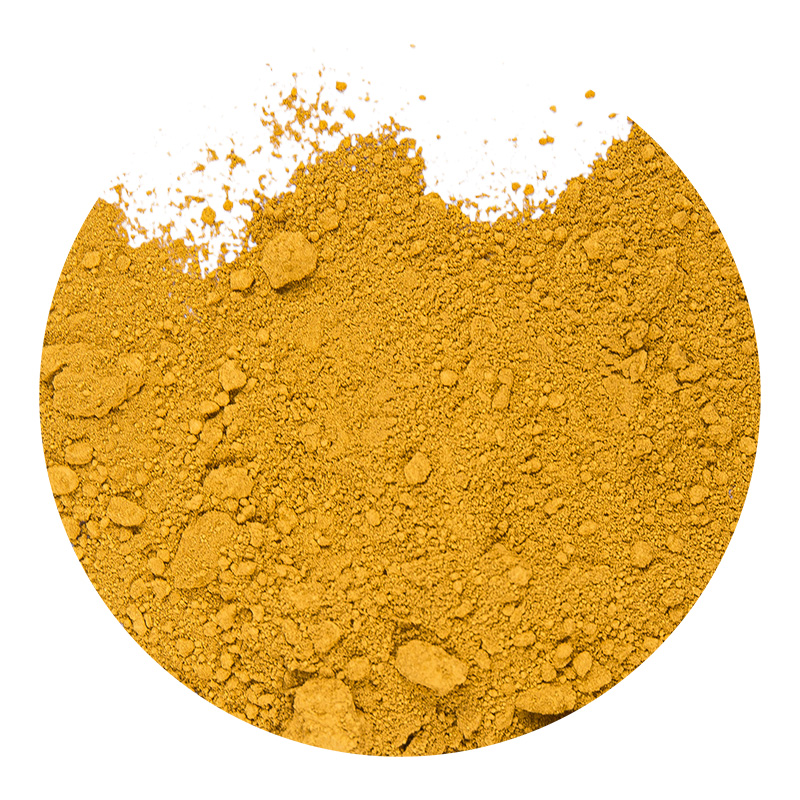
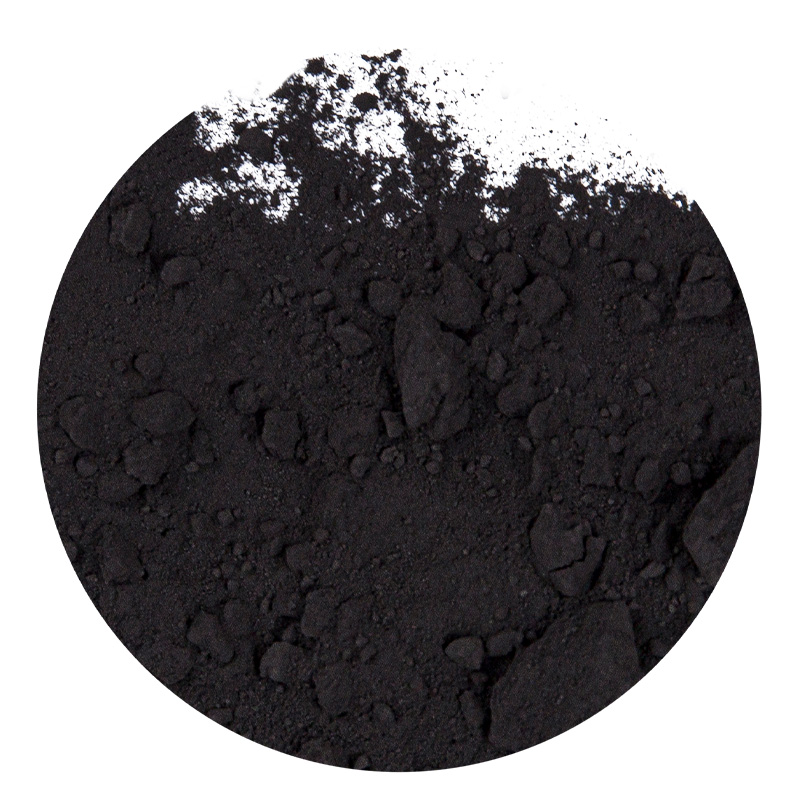
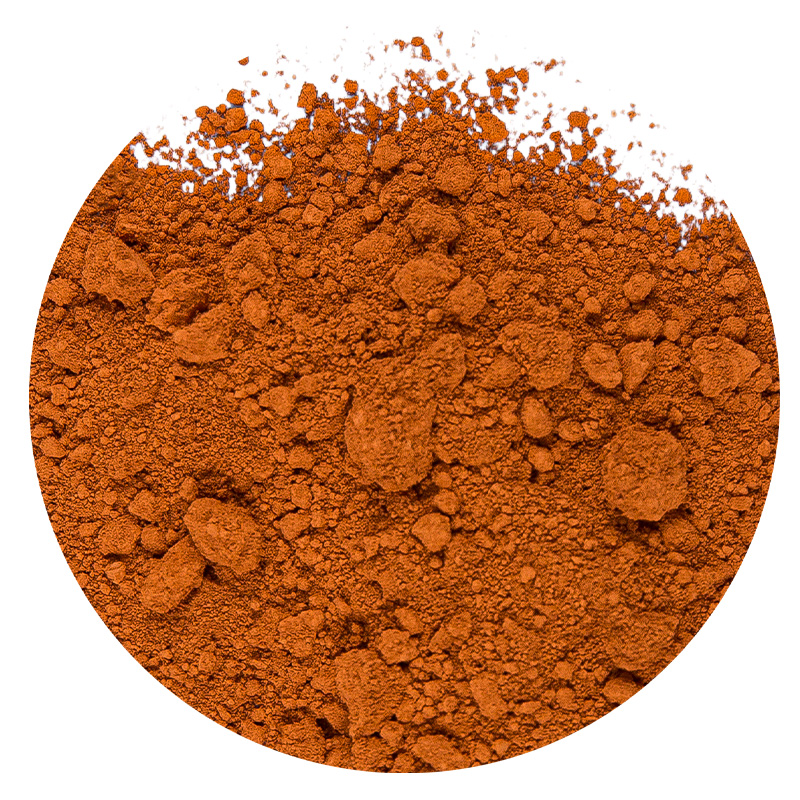
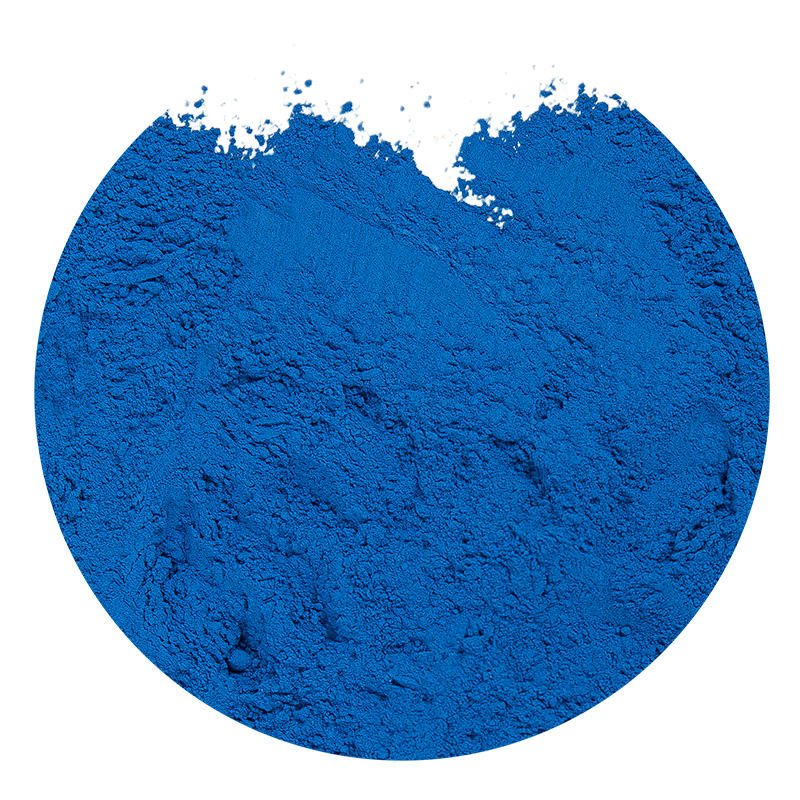
In the modern pigment system, Yellow Iron Oxide is recognized as one of the most important and versatile inorganic pigments due to its excellent color expression, high chemical stability, and cost-effectiveness. As a professional enterprise deeply engaged in the R&D and production of inorganic pigments, Demei is committed to providing high-quality pigments covering a full spectrum of colors including red, yellow, black, brown, green, orange, and blue. Combining international industrial standards with our R&D experience in high-performance composite pigments, we present this comprehensive and authoritative guide to Yellow Iron Oxide.
I. Chemical Nature and Identification
Chemically, Yellow Iron Oxide is known as Hydrated Iron Oxide, with the molecular formula typically expressed as Fe₂O₃ · H₂O or α-FeOOH. In the international pigment index, it is formally named Pigment Yellow 42 (PY42).
Unlike natural ochre, modern industry widely uses synthetic Yellow Iron Oxide to ensure high purity, uniform particle size, and consistent tinting strength. Its core identification parameters are:
- CAS Number: 51274-00-1
- EINECS Number: 257-098-5
- Main Component: Fe₂O₃ content typically ≥ 86%
II. Core Physical and Chemical Properties
The renowned reputation of Yellow Iron Oxide in the industrial world primarily stems from its high stability:
- Weather Resistance & Lightfastness: It possesses lightfastness of level 7-8 (excellent), capable of withstanding long-term UV exposure without fading.
- Chemical Stability: It is non-toxic, non-bleeding, resistant to alkalis and weak acids, and completely insoluble in water and organic solvents.
- Heat Resistance Limit: Standard Yellow Iron Oxide undergoes dehydration at approximately 180°C (356°F), transforming into Iron Oxide Red.
- Low Oil Absorption: Typical oil absorption is between 25-35 ml/100g, facilitating easy dispersion in various substrates.
III. Production Process and Color Control
Synthetic Yellow Iron Oxide is primarily produced via the precipitation method (e.g., the Penniman-Zoph process). This process involves the oxidation of iron salts and metallic iron in an acidic medium.
By strictly controlling reaction temperature, pH value, and oxidation rate, Demei can precisely adjust the pigment's particle size, resulting in a range of hues from light lemon yellow to deep orange-yellow. This precise process control ensures high color consistency across different batches of Demei pigments.
IV. Demei's Three Main Product Series and Application Grades
Addressing diverse industrial needs, Demei has developed three main series of high-stability composite iron oxide pigments:
1. Standard Grade (Construction Grade)
- Characteristics: Highly cost-effective, possessing strong tinting strength and excellent alkali resistance.
- Application: Specifically designed for the high-alkaline environment of cement and concrete. It is the industry standard choice for colored paving bricks, roofing tiles, artificial marble, and terrazzo.
2. Micronized Grade (Coatings & Paints Grade)
- Characteristics: Processed through ultra-fine grinding, resulting in an extremely fine particle size and high dispersibility.
- Application: Effectively prevents flocculation (agglomeration) in liquid coatings, providing a smooth, glossy, and durable finish for architectural interior/exterior paints, industrial anti-corrosion primers, and powder coatings.
3. Low Heavy Metal Grade (High-Safety Grade)
- Characteristics: Strictly controls impurity content to ensure compliance with environmental and safety standards.
- Application: Suitable for specific industrial products with strict limitations on pigment composition.
Additionally, Demei offers a Heat-Resistant Grade. Through special surface coating or encapsulation treatment, these pigments can withstand the high temperatures required during the processing of plastic masterbatches (e.g., PE, PP).
V. Wide Range of Industrial Applications
- Construction Materials: Yellow Iron Oxide is the preferred choice for concrete coloring. Its chemical inertness and UV resistance ensure that outdoor constructions remain vibrant for years.
- Coatings & Paints: Beyond its decorative function, its chemical inertness makes it an ideal component in industrial anti-corrosion primers.
- Plastics & Rubber: Provides excellent hiding power (opacity) and light protection for plastic products, widely used in vinyl siding, packaging materials, and rubber flooring.
VI. Safe Handling, Storage, and Social Responsibility
Yellow Iron Oxide is recognized as a non-toxic and safe industrial powder. However, to ensure employee health during handling, appropriate protective equipment (such as dust masks and safety goggles) should be worn to avoid inhalation of dust.
- Storage Recommendations: Store in a cool, dry place and keep packaging sealed.
- Shelf Life: Although its chemical nature is almost permanently stable, it is recommended to use within 2-3 years for optimal dispersion performance.
Demei's Commitment:
Demei not only focuses on the R&D of high-performance pigments but also actively fulfills its social responsibilities. We insist on protecting the ecological environment, continuously strengthen our safe production processes, and consistently uphold caring for employee health as a core value of our corporate development.
Conclusion
Yellow Iron Oxide has become an indispensable cornerstone of modern industry due to its perfect balance of performance and cost-effectiveness. Whether you are seeking high-dispersibility micronized-grade coating pigments or alkali-resistant, stable construction coloring solutions, Demei's professional team can provide you with the most reliable technical support and product assurance.